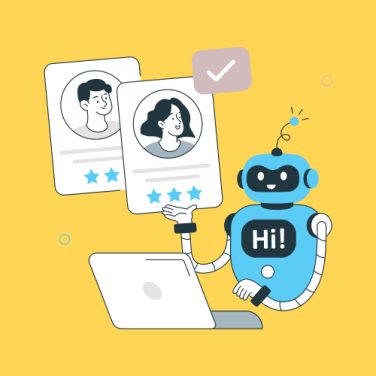

Digital HR transformation involves integrating modern technologies across the entire HR function.
By automating routine tasks and centralising data, organisations improve decision-making and meet rising employee expectations for seamless digital experiences. Key drivers include workflow automation, advanced analytics, and demand for personalised, mobile-friendly interfaces.
Without transformation, legacy HR systems—which rely on manual processes, spreadsheets, and disconnected applications—suffer from inefficiencies, data inconsistencies, and compliance gaps.
Transforming HR delivers multiple benefits.
- Streamlined processes free HR teams from administrative workload, enabling focus on strategic initiatives like leadership development.
- Real-time analytics promote proactive talent management, forecasting attrition risks and skill shortages.
- Employee self-service portals and mobile apps boost engagement by empowering employees to update profiles, request time off, and access payslips.
- Integrated modules for onboarding, performance management, payroll, and time tracking ensure consistent data flow and reduce reconciliation efforts.
- These capabilities enhance accuracy and support regulatory compliance and audit readiness.
In modern business, HR digitalisation transforms HR from an administrative function into a strategic partner. By shifting from reactive to proactive approaches, HR leaders can identify skills gaps, forecast talent needs, and align workforce strategies with organisational goals.
A holistic digital HR transformation fosters collaboration between HR, IT, and business leaders, ensuring technology investments deliver measurable ROI and support long-term growth.
Organisations that embrace digital HR transformation can achieve a competitive advantage by accelerating talent acquisition cycles and improving retention rates. Cost savings from reduced manual errors and process bottlenecks further justify ROI.
Key takeaways for digital HR transformation

- Centralises processes, reduces manual work, and boosts data-driven decision making.
- A clear digital HR strategy aligns technology investments with business objectives and stakeholder needs.
- A phased digital HR transformation roadmap ensures controlled implementation and early wins.
- MiHCM’s suite provides tools for planning, automation, analytics, and self-service.
- Establish metrics early to measure progress on time-to-hire, retention, and cost savings.
Implementing these principles helps HR teams drive efficiency, engagement, and strategic impact.
Defining digital HR transformation
While upgrading an HRIS improves specific functions—such as payroll or benefits administration—full digital HR transformation reimagines the end-to-end HR lifecycle.
It integrates automation, analytics, self-service, and AI across recruitment, onboarding, performance, and beyond, rather than simply replacing one system component.
- Automation: Streamlines routine tasks like approvals, notifications, and document management.
- Analytics: Delivers insights on workforce trends, attrition, and skills gaps.
- Self-Service: Empowers employees and managers with mobile-accessible HR portals.
- AI: Enhances talent acquisition with intelligent sourcing and predictive recommendations.
By embracing core components of HR digitalisation, organisations improve efficiency, accuracy, and compliance.
Automated workflows reduce manual errors and cut processing times. Centralised data governance ensures consistent reporting and audit readiness, minimising risk. AI-driven tools identify top talent faster and enhance employee experiences through personalised feedback and learning recommendations.
Examples of transformed processes include:
- Onboarding: Automated document collection, e-signatures, and task reminders speed new-hire productivity.
- Payroll: Real-time data integration eliminates manual adjustments and supports multi-country compliance.
- Time Tracking: Mobile clock-in/clock-out and automated approvals reduce payroll discrepancies.
- Performance Management: Continuous feedback loops and dynamic goals replace annual reviews.
This holistic approach positions HR as a strategic partner, driving agile talent strategies that align with evolving business goals. Implementing a comprehensive strategy ensures sustainable hr digitalisation and tangible business outcomes.
Crafting your digital HR strategy

Developing a robust HR digital strategy lays the foundation for successful HR digitalisation. It ensures that technology deployments deliver value, address stakeholder needs, and align with long-term business vision. A clear strategy mitigates risk, secures budget, and accelerates adoption.
Aligning with business goals: Crafting an effective digital HR strategy begins by mapping HR objectives to overall business priorities. Engage leadership to define target outcomes—such as reducing time-to-fill, improving retention, or optimising labour costs. Involve cross-functional stakeholders from HR, IT, finance, and operations to ensure technology investments support enterprise goals and integrate with existing systems.
- Conduct stakeholder workshops to surface pain points and business drivers.
- Assess current tech maturity and identify capability gaps.
- Analyse regulatory requirements and localisation needs.
- Define key success metrics that tie back to organisational KPIs.
- Develop a phased investment plan to balance quick wins and long-term goals.
Cultivating a digital HR culture: A successful digital HR strategy depends on adoption and change management. Build a digital-friendly culture by empowering HR teams and employees through training, communication, and governance. Establish a network of champions across departments to advocate for new tools and gather feedback.
- Develop role-based training programs for HR, managers, and staff.
- Communicate roadmap milestones and celebrate quick wins.
- Provide ongoing support through dedicated help channels and resources.
- Solicit continuous user feedback and iterate on processes.
- Implement governance frameworks to ensure data quality and compliance.
- Monitor adoption metrics and adjust training accordingly.
By combining strategic alignment with cultural readiness, organisations can maximise ROI and achieve sustained hr digital transformation.
Building your digital HR transformation roadmap
A well-defined digital HR transformation roadmap guides organisations through incremental change, delivering early wins and maintaining momentum. It outlines clear phases—each with objectives, deliverables, and solution mappings—to ensure controlled implementation and measurable progress.
| Phase | Key Activities |
|---|---|
| 1. Discovery & Process Mapping | Document current workflows, identify bottlenecks, and set transformation priorities. |
| 2. Pilot Automation & Self-Service | Implement select automated workflows and employee portals for initial use cases. |
| 3. Enterprise Rollout & Integrations | Expand automation, integrate with finance and IT systems, and ensure data consistency. |
| 4. Advanced Analytics & Optimisation | Deploy analytics dashboards, AI-driven insights, and continuous improvement cycles. |
Phase 1: Discovery & Process Mapping begins by assessing current HR processes, data sources, and stakeholder requirements.
Phase 2: Pilot Automation & Self-Service focuses on delivering quick value through targeted automation—such as leave approvals—and launching employee self-service via MiA. These pilots demonstrate how automated talent acquisition & onboarding processes accelerate hiring and improve satisfaction.
Phase 3: Enterprise Rollout & Integrations scales successful pilots across the business. MiHCM Enterprise unifies HR and payroll workflows and integrates with existing ERP and ITSM systems, ensuring seamless data flow and compliance.
Phase 4: Advanced Analytics & Optimisation harnesses MiHCM Data & AI dashboards to deliver data-driven HR decisions. Leaders track performance metrics, predict turnover risks, and continuously refine processes for sustained efficiency gains.
By following this digital HR transformation roadmap, organisations increase HR efficiency and reduce manual workloads while accelerating talent acquisition and onboarding cycles through intelligent automation and self-service capabilities.
Overcoming HR digitalisation challenges
Digitalising HR functions often encounters obstacles that can stall progress, from technological limitations to cultural resistance. Addressing these challenges proactively ensures a smoother transition, maintains stakeholder confidence, and maximises return on investment. Below are common pitfalls and strategies to navigate them effectively.
- Integrating New Tools with Legacy Systems: Many organisations rely on outdated applications that lack modern integration capabilities. To overcome this, use APIs and middleware solutions that enable data exchange without disrupting downstream systems.
- Managing Change and Training: Resistance to new technologies can arise from unclear benefits or lack of skills. Develop comprehensive training programs, leverage role-based learning paths, and appoint change champions to drive adoption across HR and employee populations.
- Ensuring Data Privacy and Regulatory Compliance: HR data contains sensitive personal information subject to global regulations. Implement robust data governance policies, encryption at rest and in transit, and regular audits to maintain compliance with GDPR, CCPA, and other regional laws.
- Securing Budget and Demonstrating ROI: Securing investment requires a compelling business case. Track cost savings from reduced processing times and error rates and highlight benefits such as improved retention and employee engagement supported by real-world pilot results.
Successful HR digitalisation depends on a balanced approach of technical integration, user engagement, compliance safeguards, and financial justification. Anticipating challenges at each stage reduces risk and fosters sustainable transformation.
How MiHCM enables seamless HR digital transformation
MiHCM offers an end-to-end suite designed to support every phase of hr digital transformation, combining AI-driven automation, unified workflows, and employee-centric interfaces.
MiHCM’s modular design allows organisations to start small—with MiHCM Lite for core HR—and scale up to enterprise capabilities without replacing the entire ecosystem. Automated talent acquisition and onboarding processes eliminate manual steps and reduce time-to-hire, while MiHCM Data & AI dashboards continuously monitor performance metrics for ongoing optimisation.
By leveraging MiHCM’s intelligent automation and analytics, HR teams can shift focus from administrative overhead to strategic initiatives. Streamlined HR operations drive efficiency, while employee self-service empowers workforce autonomy.
This comprehensive approach ensures that digital HR transformation delivers tangible benefits, from cost savings to a stronger employer brand.
Measuring digital HR transformation success: Metrics and KPIs
Measuring the impact of digital hr transformation requires tracking relevant metrics and KPIs that reflect both operational efficiency and employee experience.
| Metrik | Definition | Target |
|---|---|---|
| Time-to-Hire | Average days from job posting to accepted offer. | Reduce by 20% |
| Turnover Rate | Percentage of employees leaving within a period. | Lower than industry benchmark |
| Process Cycle Time | Duration to complete HR tasks like onboarding or payroll. | Reduce by 30% |
| Adoption Rate | Percentage of users actively using new HR tools. | Above 80% |
| Cost Savings | Reduction in manual processing and error correction costs. | Measure ROI quarterly |
Key metrics such as time-to-hire and process cycle time evaluate efficiency gains from automation. Monitoring turnover rate and adoption rate gauges how digital tools impact retention and user engagement. Cost savings from reduced manual errors and faster approvals further demonstrate financial benefits.
Regularly reviewing these KPIs through MiHCM Data & AI dashboards enables continuous monitoring and iterative improvements. Leaders can set thresholds for each metric, analyse trends, and adjust digital HR strategies to optimise performance.
Establishing a governance model for metric tracking ensures data accuracy and accountability. Quarterly reviews with cross-functional stakeholders help maintain alignment with business objectives and prioritise next steps in the transformation journey.
In addition to quantitative KPIs, collecting qualitative feedback from employees and managers offers insights into tool usability and process satisfaction. Surveys and focus groups identify improvement areas and validate that digital hr transformation delivers both technical and human-centric value.
Next steps in your digital HR transformation journey
Digital HR transformation is a strategic imperative that drives efficiency, engagement, and data-driven decision making. By aligning the digital HR strategy with business objectives, following a phased digital HR transformation roadmap, and leveraging AI-driven tools, organisations unlock significant benefits—ranging from reduced manual workloads to accelerated talent acquisition.
- Secure executive sponsorship and establish cross-functional governance.
- Begin with a pilot to demonstrate quick wins and build momentum.
- Use MiHCM’s suite to support each transformation phase.
Pertanyaan yang Sering Diajukan
What is HR digital transformation
HR digital transformation is the end-to-end integration of technology—automation, analytics, AI, and self-service—across HR processes. Unlike simple HRIS upgrades, it reimagines workflows and embeds predictive insights to support strategic talent management and elevate HR from administrative to advisory roles.
Why is digital HR transformation important for organisations?
How do you develop an effective HR digital strategy?
Define clear business-aligned objectives, engage stakeholders across HR, IT, and finance, assess current technology maturity, and create a phased plan with measurable success metrics. Incorporate change management and training to drive adoption.
What are the key steps in an HR digital transformation roadmap?
Phases include: Discovery & Process Mapping, Pilot Automation & Self-Service, Enterprise Rollout & Integrations, and Advanced Analytics & Continuous Optimisation. Each phase delivers targeted capabilities and measurable outcomes.
What challenges might organisations face during HR digitalisation?
Common challenges include integrating with legacy systems, managing change and training, ensuring data privacy and compliance, and securing budget by demonstrating ROI. Proactive planning and governance mitigate these risks.
How do you measure success in HR digital transformation?
Track metrics such as time-to-hire, turnover rate, process cycle times, adoption rates, and cost savings. Use qualitative feedback through surveys and focus groups to assess user satisfaction and continuous improvement.