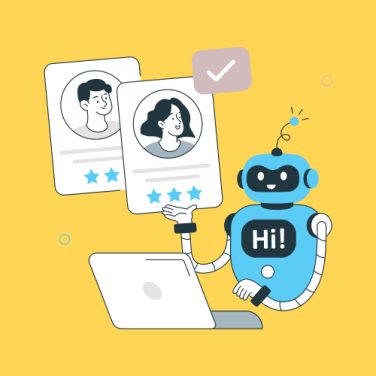

คำว่า ‘ปัญญาประดิษฐ์ด้านทรัพยากรบุคคล’ ครอบคลุมถึงการอัตโนมัติ, แบบจำลองการเรียนรู้ของเครื่อง, ผู้ช่วยการสนทนา และการวิเคราะห์เชิงคาดการณ์ที่นำไปใช้กับกระบวนการด้านทรัพยากรบุคคล คู่มือนี้อธิบายว่าเทคโนโลยีเหล่านี้ทำอะไร, ที่ไหนที่เพิ่มคุณค่าที่วัดได้ และผู้นำด้านทรัพยากรบุคคลสามารถนำไปใช้ได้จริงอย่างไรด้วยผลิตภัณฑ์ MiHCM.
สิ่งที่ ‘ปัญญาประดิษฐ์ด้านทรัพยากรบุคคล’ ครอบคลุม (การจัดหมวดหมู่อย่างรวดเร็ว)
- ระบบอัตโนมัติและเครื่องมือจัดการเวิร์กโฟลว์: การอนุมัติแบบเป็นกิจวัตร การประมวลผลเอกสาร และการดำเนินการตามกฎเกณฑ์.
- แบบจำลองการเรียนรู้ของเครื่อง: การให้คะแนนความเสี่ยงการลาออก, การคัดเลือกผู้สมัคร และการคาดการณ์ความต้องการ.
- ปัญญาประดิษฐ์เชิงสนทนา: ผู้ช่วยสำหรับพนักงานเกี่ยวกับสลิปเงินเดือน การลา และข้อสงสัยเกี่ยวกับนโยบาย.
- การวิเคราะห์และแดชบอร์ด: ระบบ HRIS ที่รวมระบบเงินเดือนและการรายงานการเข้างานเพื่อการวิเคราะห์เชิงลึกที่สามารถนำไปปฏิบัติได้.
ผลลัพธ์ที่รวดเร็วและสามารถวัดได้
- 5 อันดับแรกของการชนะอย่างรวดเร็วที่ทีม HR สามารถทำได้รวดเร็วด้วย AI ด้านทรัพยากรบุคคลและ MiHCM:
- คำถามที่พบบ่อยสำหรับการสนทนาเกี่ยวกับสลิปเงินเดือน, ยอดคงเหลือการลา, การค้นหาข้อมูลนโยบาย และอื่น ๆ อีกมากมาย — ลดการสอบถามซ้ำ.
- การอนุมัติการลาอัตโนมัติและระบบการทำงานอัตโนมัติที่ง่ายเพื่อลดเวลาการอนุมัติ.
- การจัดลำดับความสำคัญของกระบวนการสรรหาบุคลากรโดยใช้ข้อมูลเชิงวิเคราะห์ เพื่อมุ่งเน้นเวลาของผู้สรรหาบุคลากรไปที่ผู้สมัครที่มีโอกาสสูง.
- การกระทบยอดการเข้าร่วมงานกับเงินเดือนโดยใช้ข้อมูลที่ผสานรวมเพื่อลดการแก้ไขด้วยมือ.
- การแจ้งเตือนล่วงหน้าเกี่ยวกับอัตราการลาออกจากแบบจำลองการคาดการณ์อย่างง่ายเพื่อจัดลำดับความสำคัญของการดำเนินการรักษาพนักงาน.
กรอบเวลาที่คาดหวัง: ผลลัพธ์ที่รวดเร็ว (0–3 เดือน), การวิเคราะห์หลักและกระบวนการทำงานอัตโนมัติ (3–9 เดือน), แบบจำลองการทำนายและการเปลี่ยนแปลงทางวัฒนธรรมที่กว้างขึ้น (9–18 เดือน).
ตัวชี้วัด KPI ที่ต้องวัดตั้งแต่วันแรก
- ระยะเวลาในการจ้างงานและต้นทุนต่อการจ้างงาน
- อัตราการเกิดข้อผิดพลาดของระบบเงินเดือนและระยะเวลาการกระทบยอด
- ระยะเวลาการอนุมัติและการลดจำนวนการส่งเรื่องไปยังฝ่ายทรัพยากรบุคคล
- อัตราการลาออกโดยสมัครใจและตัวชี้วัดการนำรูปแบบมาใช้
ก่อนเริ่มต้น โปรดยืนยันคุณภาพข้อมูล จุดเชื่อมต่อ (ATS, ระบบเงินเดือน, ระบบเวลา) ข้อกำหนดด้านการปฏิบัติตามกฎระเบียบ และความสอดคล้องของผู้มีส่วนได้ส่วนเสีย.
ทำไม AI ถึงมีความสำคัญสำหรับ HR สมัยใหม่

AI กำลังเปลี่ยนบทบาทของฝ่ายทรัพยากรบุคคลจากการทำงานเบื้องหลังไปสู่การตัดสินใจเชิงกลยุทธ์เกี่ยวกับกำลังคน การศึกษาหลายฉบับในอุตสาหกรรมและการสำรวจความคิดเห็นของนายจ้างแสดงให้เห็นถึงความต้องการในการพัฒนาทักษะใหม่ที่สำคัญและความสนใจอย่างกว้างขวางในการนำ AI มาใช้ในกระบวนการทำงานของฝ่ายทรัพยากรบุคคล.
แม้อัตราการนำไปใช้จริงจะแตกต่างกันไปตามแต่ละภาคส่วนและภูมิภาค นักวิเคราะห์รายงานว่ามีการเคลื่อนไหวที่เพิ่มขึ้นจากการทดลองใช้ไปสู่การนำไปใช้ในกระบวนการผลิตจริง เนื่องจากการบูรณาการและการกำกับดูแลที่ดีขึ้น.
ประเด็นสำคัญที่ผู้นำด้านทรัพยากรบุคคลควรเตรียมพร้อม
- การฝึกทักษะใหม่และการเสริมบทบาท: นายจ้างคาดการณ์ว่าจะมีความพยายามในการพัฒนาทักษะอย่างมากเมื่อ AI ช่วยเสริมงานประจำ; การสำรวจประมาณการว่าแรงงานประมาณ 401 ล้านคนอาจต้องฝึกทักษะใหม่ที่เกี่ยวข้องกับการทำงานอัตโนมัติและ AI.WEF, 2024)
- ข้อมูลแบบบูรณาการเป็นตัวคูณ: การรวมข้อมูลระบบบริหารทรัพยากรบุคคล (HRIS), ระบบเงินเดือน, ระบบการเข้างาน และข้อมูลประสิทธิภาพการทำงานเข้าด้วยกัน ช่วยปลดล็อกโมเดลที่มีมูลค่าสูงขึ้นและประหยัดค่าใช้จ่ายในการดำเนินงาน.
- จากระบบอัตโนมัติแบบแคบสู่ผู้ช่วยที่มีบทบาทเชิงรุก: ผู้ช่วยที่ทำงานร่วมกับพนักงานโดยตรงและคำแนะนำสำหรับผู้จัดการจะเป็นหัวใจสำคัญในการขยายขีดความสามารถของฝ่ายทรัพยากรบุคคล.
- แรงกดดันด้านกฎระเบียบและการกำกับดูแล: คาดว่าจะมีการตรวจสอบการใช้ข้อมูล ความเป็นธรรม และความโปร่งใสมากขึ้น ซึ่งจำเป็นต้องมีการควบคุมเชิงรุก.
- แรงกดดันด้านต้นทุนและบุคลากร: การทำงานแบบผสมผสาน ตลาดแรงงานที่ตึงตัว และความซับซ้อนในการปฏิบัติตามกฎระเบียบ จะเร่งให้เกิดการใช้ระบบอัตโนมัติในจุดที่สามารถลดความเสี่ยงและต้นทุนได้.
HR AI เปลี่ยนแปลงการสรรหาและการจ้างงานอย่างไร
ปัญญาประดิษฐ์สามารถเร่งกระบวนการสรรหาบุคลากรได้ในขณะที่ปรับปรุงความสม่ำเสมอและประสบการณ์ของผู้สมัคร เมื่อนำมาใช้อย่างรอบคอบ โมเดลและผู้ช่วยสามารถขยายขอบเขตงานที่ซ้ำซ้อนและให้ผู้สรรหาบุคลากรมุ่งเน้นไปที่การตัดสินใจและการสร้างความสัมพันธ์.
ขั้นตอนปฏิบัติจริง: จากประกาศรับสมัครงานถึงข้อเสนอแรก (พร้อมจุดสัมผัส AI):
- การเพิ่มประสิทธิภาพการประกาศงาน — AI แนะนำคำอธิบายตำแหน่งงานและช่องทางการเผยแพร่ตามความสำเร็จในการสรรหาในอดีตและเป้าหมายด้านความหลากหลาย.
- การสรรหาผู้สมัครและการวิเคราะห์ประวัติย่อ — การวิเคราะห์และเสริมข้อมูลโดยอัตโนมัติช่วยค้นหาผู้สมัครที่ตรงตามเกณฑ์ในระดับใหญ่ ลดเวลาการคัดกรองเบื้องต้น.
- การคัดเลือกผู้เข้ารอบโดยใช้การคาดการณ์ — แบบจำลองรวมทักษะ ประสบการณ์ และตัวชี้วัดประสิทธิภาพเพื่อจัดอันดับผู้สมัคร; การตรวจสอบโดยมนุษย์ยังคงเป็นสิ่งจำเป็นสำหรับการตัดสินใจขั้นสุดท้าย.
- การติดต่อและการนัดหมายอัตโนมัติ — ผู้ช่วยเสมือนแบบ MiA จัดการการส่งข้อความและการนัดสัมภาษณ์ ช่วยลดเวลาประสานงานของผู้สรรหา.
- การสนับสนุนการสัมภาษณ์และการปรับเทียบ — คู่มือการสัมภาษณ์ที่มีโครงสร้างและแดชบอร์ดการปรับเทียบของคณะกรรมการช่วยลดความแปรปรวนในการตัดสินใจจ้างงาน.
- การส่งมอบข้อเสนอและการเริ่มต้นงาน — จดหมายเสนอและรายการตรวจสอบการเริ่มต้นงานที่ดำเนินการโดยอัตโนมัติเมื่อมีการตัดสินใจจ้างงาน.
การลดอคติและการมีส่วนร่วมของมนุษย์ในกระบวนการ:
- ใช้การคัดกรองแบบไม่เปิดเผยตัวตนสำหรับตัวกรองในขั้นตอนเริ่มต้น และทำการทดสอบความเป็นธรรมกับโมเดลเพื่อตรวจจับผลกระทบที่แตกต่างกัน.
- ให้มนุษย์รับทราบข้อมูลในกรณีที่มีการแจ้งเตือน การสัมภาษณ์ที่ปรับเทียบแล้ว และการคัดเลือกขั้นสุดท้าย.
- รักษาบันทึกการตรวจสอบสำหรับข้อมูลนำเข้าของแบบจำลองและการตัดสินใจเพื่อให้สามารถอธิบายได้และตรวจสอบการปฏิบัติตามข้อกำหนด.
การวัดความสำเร็จ:
- การลดระยะเวลาในการจ้างงาน, อัตราส่วนการสัมภาษณ์ต่อการเสนองาน และค่าใช้จ่ายต่อการจ้างงาน.
- ตัวชี้วัดคุณภาพการจ้างงาน: การคงอยู่ในปีแรก, การกระจายคะแนนประสิทธิภาพการทำงาน และความพึงพอใจของผู้จัดการฝ่ายสรรหา.
- ตัวชี้วัดความหลากหลายในแต่ละขั้นตอนของกระบวนการเพื่อยืนยันว่าการควบคุมอคติมีประสิทธิภาพ.
การเริ่มต้น, ประสิทธิภาพ & วงจรชีวิต: AI ตลอดเส้นทางของพนักงาน

AI สามารถทำให้เหตุการณ์ตลอดวงจรชีวิตมีความสอดคล้อง ตรงเวลา และปรับให้เหมาะกับแต่ละบุคคล ตั้งแต่ช่วงเวลาที่ผู้สมัครรับข้อเสนองาน ผ่านการโยกย้าย การประเมินผลงาน ไปจนถึงการออกจากงาน ระบบอัตโนมัติและการวิเคราะห์ข้อมูลจะขจัดความยุ่งยากจากกระบวนการทำงานด้วยมือและเปิดเผยโอกาสใหม่ๆ.
ตัวอย่าง: โปรแกรมการปฐมนิเทศ 30-60-90 ที่ขับเคลื่อนโดย MiA และ Analytics
- วันที่ 0–30: รายการตรวจสอบก่อนเข้าใช้งานอัตโนมัติ, คำแนะนำการเรียนรู้เฉพาะบทบาท และการเข้าถึง MiA สำหรับการสอบถามนโยบาย.
- วันที่ 31–60: แดชบอร์ดของผู้จัดการที่แสดงสัญญาณการมีส่วนร่วมของพนักงานใหม่ ตัวชี้วัดประสิทธิภาพเบื้องต้น และหัวข้อการโค้ชที่แนะนำ.
- วันที่ 61–90: การปรับเทียบและการประเมินความพร้อม — การวิเคราะห์จะระบุช่องว่างและแนะนำพี่เลี้ยงภายในหรือการฝึกอบรมเร่งด่วน.
- ข้อมูลเชิงลึกด้านประสิทธิภาพอย่างต่อเนื่อง: ตัวชี้วัดแนวโน้มและการตรวจจับความผิดปกติช่วยระบุจุดที่ต้องการการปรับเทียบหรือการสนับสนุน.
- เส้นทางอาชีพและการเคลื่อนย้ายภายใน: โมเดลแนะนำบทบาทภายในและเส้นทางการเรียนรู้ตามทักษะและสัญญาณประสิทธิภาพ ช่วยเพิ่มการรักษาพนักงานและการจัดสรรใหม่.
- เหตุการณ์วงจรชีวิตอัตโนมัติ: การเลื่อนตำแหน่ง, การโอนย้าย และการสิ้นสุดการจ้างงาน จะกระตุ้นการอัปเดตบันทึก, การเปลี่ยนแปลงเงินเดือน และกระบวนการทำงานด้านการปฏิบัติตามกฎระเบียบ เพื่อลดข้อผิดพลาดที่เกิดจากการทำงานด้วยมือ.
- สัญญาณความเป็นอยู่ที่ดี: แบบสำรวจชีพจรและตัวชี้วัดพฤติกรรมช่วยตรวจจับความเสี่ยงของการหมดไฟและกระตุ้นให้ผู้จัดการเข้าหาพนักงาน.
การจ่ายเงินเดือน, การปฏิบัติตามข้อกำหนด และการเข้าร่วมงาน: ปัญญาประดิษฐ์ที่ช่วยลดความเสี่ยงและค่าใช้จ่าย
การเชื่อมโยงการเข้าร่วมงาน เวลา และเงินเดือนเข้าด้วยกันในโครงสร้างการดำเนินงานเดียวช่วยลดความพยายามในการกระทบยอดและข้อผิดพลาดในการจ่ายเงิน ชุดกฎอัตโนมัติบังคับใช้การคำนวณตามกฎหมายในขณะที่การตรวจจับความผิดปกติจะแสดงการเรียกร้องที่ไม่ปกติ.
รายการตรวจสอบการปฏิบัติตามข้อกำหนดของระบบ HR ที่ใช้ AI
- ผสานเวลาและการเข้างานกับระบบเงินเดือนเพื่อให้การคำนวณใช้แหล่งข้อมูลเดียว — ซึ่งช่วยลดการกระทบยอดด้วยมือและข้อผิดพลาด (ระบบมหาวิทยาลัยเท็กซัส, 2021).
- รักษาเครื่องยนต์กฎอัตโนมัติสำหรับกฎตามกฎหมายท้องถิ่นและคำเตือนสำหรับการเปลี่ยนแปลงทางกฎระเบียบ.
- ใช้การตรวจจับความผิดปกติเพื่อแจ้งเตือนการแก้ไขเงินเดือน การเรียกร้องค่าใช้จ่าย หรือการทำงานล่วงเวลาที่ผิดปกติ.
- บันทึกการตรวจสอบการดำเนินการสำหรับการจ่ายเงิน การแก้ไข และการแนะนำแบบจำลองเพื่อการตรวจสอบการปฏิบัติตามข้อกำหนด.
คุณสมบัติการเข้าร่วมงานผ่านมือถือ (การกำหนดขอบเขตด้วย GPS, การจดจำใบหน้า หรือการลงเวลาเข้างานที่ปลอดภัย) ช่วยเพิ่มความแม่นยำของเวลาและลดความเสี่ยงของการขโมยเวลา องค์กรต่างๆ รายงานว่ากระบวนการทำงานดีขึ้นเมื่อขั้นตอนการกระทบยอดลดลงและการควบคุมถูกฝังอยู่ในกระบวนการจ่ายเงินเดือน การตรวจสอบและรายงานการดำเนินงานมักจะระบุว่าการบูรณาการเป็นเครื่องมือหลักในการลดข้อผิดพลาดGAO, 2015).
การวิเคราะห์ข้อมูลบุคคลและการวางแผนกำลังคน: เปลี่ยนข้อมูลให้เป็นการตัดสินใจ

การวิเคราะห์ข้อมูลบุคคลเปลี่ยนข้อมูลทรัพยากรบุคคลให้เป็นการตัดสินใจตามสถานการณ์. แบบจำลองที่มีประสิทธิภาพผสานข้อมูลจากระบบข้อมูลทรัพยากรบุคคล (HRIS), ระบบติดตามการสมัครงาน (ATS), ระบบเงินเดือน และข้อมูลบันทึกเวลาทำงานเพื่อประเมินความเสี่ยงและทำนายความต้องการ.
แดชบอร์ดการวางแผนกำลังคนชั้นนำที่ผู้นำฝ่ายทรัพยากรบุคคลทุกคนควรมี
- ความเสี่ยงในการลาออกโดยกลุ่ม (บทบาท, ระยะเวลาการทำงาน, สถานที่) พร้อมคำแนะนำในการรักษาพนักงาน.
- แผนที่ความร้อนของการขาดงานและการทำงานล่วงเวลาที่เชื่อมโยงกับความเสี่ยงด้านการครอบคลุมและผลกระทบต่อต้นทุนแรงงาน.
- ประสิทธิภาพของกระบวนการสรรหาบุคลากรร่วมกับปริมาณงานของพนักงานสรรหาและการคาดการณ์ระยะเวลาจนถึงการเสนอข้อเสนองาน.
- เมทริกซ์ช่องว่างทักษะพร้อมผู้สมัครที่มีความสามารถในการเคลื่อนย้ายภายในองค์กรและเส้นทางการเรียนรู้ที่แนะนำ.
โมเดลหลักประกอบด้วย การให้คะแนนการลาออก การทำนายการขาดงาน การพยากรณ์ความต้องการ และการวิเคราะห์ช่องว่างทักษะ แนวทางปฏิบัติที่ดีที่สุด: ใช้การแบ่งกลุ่มตามกลุ่มเพื่อแทรกแซงเป้าหมายเฉพาะ; รักษาความชัดเจนของโมเดลเพื่อให้ผู้จัดการสามารถนำไปใช้ได้; และสร้างการดูแลข้อมูลให้เป็นส่วนหนึ่งของการวิศวกรรมคุณลักษณะ (ระยะเวลาการทำงาน, เวลาใน ATS, บันทึกเวลาทำงาน, การประเมินผลการปฏิบัติงาน).
การเรียนรู้ การพัฒนาทักษะใหม่ และการเคลื่อนย้ายอาชีพด้วยปัญญาประดิษฐ์
AI ช่วยให้สามารถแนะนำการเรียนรู้ที่ปรับให้เหมาะกับแต่ละบุคคลและเพิ่มทักษะใหม่ในวงกว้างได้โดยการจับคู่ช่องว่างของทักษะกับการเรียนรู้แบบจุลภาคและการจับคู่บทบาทภายในองค์กร สิ่งนี้ช่วยในการจัดลำดับความสำคัญของการปรับเปลี่ยนตำแหน่งงานที่ได้รับผลกระทบจากการใช้ระบบอัตโนมัติมากที่สุด.
ตัวอย่าง KPI: การสำเร็จการเรียนรู้, การพัฒนาทักษะ, อัตราการเลื่อนตำแหน่งภายใน
- อัตราการสำเร็จการเรียนรู้และเวลาเฉลี่ยในการบรรลุความสามารถ.
- การยกระดับทักษะวัดผลผ่านการประเมินก่อนและหลังการฝึกอบรม และสัญญาณจากผลการปฏิบัติงานจริง.
- อัตราการหมุนเวียนภายในและความสำเร็จในการโยกย้ายตำแหน่งสำหรับบทบาทที่มีความสำคัญ.
ระบุศักยภาพที่ซ่อนอยู่โดยการผสานสัญญาณด้านประสิทธิภาพ การมีส่วนร่วม และการเรียนรู้ เพื่อค้นหาพนักงานที่พร้อมสำหรับการเลื่อนตำแหน่ง วัดผลกระทบโดยการเชื่อมโยงการฝึกอบรมที่เสร็จสมบูรณ์กับการเปลี่ยนแปลงประสิทธิภาพและการรักษาพนักงานที่ดีขึ้น สำหรับโปรแกรมการฝึกทักษะใหม่ ให้จัดลำดับความสำคัญของบทบาทที่มีการสัมผัสกับระบบอัตโนมัติสูงสุด และติดตามผลลัพธ์ของการย้ายตำแหน่งใหม่ในช่วง 6–12 เดือน.
ประสบการณ์ของพนักงาน, ศูนย์ช่วยเหลือ & ปัญญาประดิษฐ์เชิงสนทนา
ปัญญาประดิษฐ์เชิงสนทนาช่วยปรับปรุงประสบการณ์ของพนักงานโดยการให้คำตอบที่รวดเร็วและถูกต้องทันที และลดปริมาณงานจากทีมทรัพยากรบุคคล วิธีการแบบเป็นขั้นเป็นตอนช่วยให้แชทบอทสามารถแก้ไขคำถามที่พบบ่อยและส่งต่อการตัดสินใจที่ต้องใช้ดุลยพินิจพร้อมบริบทไปยังเจ้าหน้าที่มนุษย์.
- บริการตนเอง: การค้นหาสลิปเงินเดือนทันที, การตรวจสอบยอดคงเหลือการลา และการอ้างอิงนโยบาย ช่วยลดปริมาณการติดต่อและเพิ่มความเร็วในการตอบสนองSHRM, 2023).
- ระบบอัตโนมัติแบบเป็นชั้น: บอทจะจัดการกับคำถามมาตรฐานและส่งต่อปัญหาที่ซับซ้อนหรือเกี่ยวข้องกับนโยบายไปยังฝ่ายทรัพยากรบุคคลพร้อมบันทึกการตรวจสอบ.
- การตรวจสอบความรู้สึกและจังหวะ: ผสานข้อมูลเมตริกการแชทกับการสำรวจความรู้สึกเพื่อตรวจจับการขาดความสนใจตั้งแต่เนิ่นๆ.
- ออกแบบการไหลของบทสนทนาที่เข้าอกเข้าใจ: กำหนดขอบเขตการตัดสินใจและกรอบเวลาที่คาดหวังสำหรับการส่งต่อปัญหา เพื่อรักษาความไว้วางใจ.
รูปแบบการยกระดับ: เมื่อใดควรให้มนุษย์เข้ามาเกี่ยวข้อง
- การตีความนโยบาย, เรื่องทางวินัย, คำร้องขอทางกฎหมายหรือที่เกี่ยวข้องกับสุขภาพ.
- เมื่อคะแนนความมั่นใจของบอทลดลงต่ำกว่าเกณฑ์ที่กำหนดหรือพนักงานร้องขอความช่วยเหลือจากมนุษย์.
- กรณีที่ถูกทำเครื่องหมายโดยการวิเคราะห์ความรู้สึกหรือการโต้ตอบเชิงลบซ้ำๆ.
การกำกับดูแล, ความเป็นส่วนตัว, ความเป็นธรรม, และ AI ที่มีจริยธรรมในทรัพยากรมนุษย์

การนำไปใช้อย่างรับผิดชอบต้องการเสาหลักของการกำกับดูแลที่ทำให้การตัดสินใจของ AI สามารถตรวจสอบได้, ปกป้องความเป็นส่วนตัว, และเป็นธรรมตั้งแต่การออกแบบ. การมีส่วนร่วมทางกฎหมายและการปฏิบัติตามข้อกำหนดควรเริ่มต้นตั้งแต่การเริ่มต้นโครงการ.
รายการตรวจสอบการบริหารจัดการเชิงปฏิบัติสำหรับผู้นำด้านทรัพยากรบุคคล
- แหล่งที่มาของข้อมูล: ติดตามระบบต้นทางและบันทึกความยินยอมสำหรับชุดข้อมูลที่ใช้ในการฝึกอบรมแบบจำลอง.
- บันทึกการตรวจสอบแบบจำลอง: บันทึกข้อมูลนำเข้า, ข้อมูลส่งออก, คะแนนความมั่นใจ และการแก้ไขโดยมนุษย์.
- การทดสอบความเป็นธรรม: ดำเนินการตรวจสอบความเท่าเทียมทางประชากรและการตรวจสอบผลกระทบที่ไม่เป็นธรรม; ทำการตรวจสอบแบบสุ่ม.
- ความเป็นส่วนตัวโดยการออกแบบ: ทำให้ข้อมูลส่วนบุคคลที่ไม่สามารถระบุตัวตนได้ (PII) เป็นนิรนามหรือใช้ชื่อสมมติสำหรับการฝึกอบรม และเก็บรักษาบันทึกความยินยอม.
- ความสามารถในการอธิบายได้: ให้เหตุผลที่ชัดเจนและเส้นทางการอุทธรณ์สำหรับการตัดสินใจอัตโนมัติแก่ผู้จัดการและพนักงาน.
- จุดสัมผัสทางกฎหมาย: ให้ฝ่ายกฎหมายมีส่วนร่วมในเรื่องการจ่ายเงินเดือนข้ามเขตอำนาจศาล การโอนข้อมูล และประเด็นกฎหมายแรงงาน.
การวัดผลตอบแทนการลงทุน (ROI), ตัวชี้วัดประสิทธิภาพหลัก (KPIs) และตัวชี้วัดความสำเร็จสำหรับ AI ในงานทรัพยากรบุคคล
กำหนดเกณฑ์พื้นฐานก่อนการนำไปใช้งาน และให้ตัวชี้วัดล่วงหน้า (การนำไปใช้, การลดจำนวนตั๋ว, ความถูกต้องของแบบจำลอง) เป็นสัญญาณความสำเร็จในระยะแรก ขณะที่ผลลัพธ์ที่ตามมา (การประหยัดค่าใช้จ่าย, การรักษาลูกค้า) เป็นตัวตรวจสอบผลตอบแทนจากการลงทุน.
เทมเพลตการคำนวณ ROI (การประหยัดจากการทำงานอัตโนมัติ + การเพิ่มการรักษาลูกค้า)
| เมตริก | ค่าพื้นฐาน | หลังยุคปัญญาประดิษฐ์ | การประหยัดรายปี |
|---|---|---|---|
| ชั่วโมงการทำงานของฝ่ายทรัพยากรบุคคลถูกทำให้เป็นอัตโนมัติ | ชั่วโมงเต็มเวลา / เดือน | ชั่วโมง FTE ที่ลดลง / เดือน | ชั่วโมงที่ประหยัดได้ × ต้นทุน FTE เต็มอัตรา |
| ข้อผิดพลาดในการจ่ายเงินเดือน | อัตราความผิดพลาด | อัตราความผิดพลาดลดลง | ต้นทุนต่อข้อผิดพลาด × การลดข้อผิดพลาด |
| การเพิ่มอัตราการรักษาลูกค้า | อัตราการลาออกโดยสมัครใจ | อัตราการหมุนเวียนที่ดีขึ้น | ค่าใช้จ่ายที่หลีกเลี่ยงได้จากการทดแทน |
- ดำเนินการทดลอง A/B: เปรียบเทียบกลุ่มตัวอย่างเพื่อยืนยันผลกระทบของโมเดลก่อนการเปิดตัวเต็มรูปแบบ.
- ติดตามตัวชี้วัดการดำเนินงาน: ความสดใหม่ของข้อมูล, การเบี่ยงเบนของโมเดล, อัตราการตรวจพบผิดพลาด และอัตราการแทรกแซงของมนุษย์.
- รายงานต่อผู้มีส่วนได้ส่วนเสียพร้อมทั้งการประหยัดเชิงปริมาณและการปรับปรุงเชิงคุณภาพในประสบการณ์ของผู้สมัคร/พนักงาน.
ตัวอย่างจากโลกจริง, ผลงานที่ทำได้รวดเร็ว และขั้นตอนต่อไปที่แนะนำ
ตัวอย่างที่กระชับสามประการที่ผู้นำด้านทรัพยากรบุคคลสามารถเข้าใจได้:
- โปรแกรม TA ระดับกลาง: การคัดกรองและการจัดตารางเวลาอัตโนมัติช่วยลดระยะเวลาเฉลี่ยในการจ้างงานลงประมาณ 30% ในการทดลองหลายเมือง (ตัวอย่างประกอบ; ผลลัพธ์อาจแตกต่างกันไปตามการนำไปใช้).
- การบูรณาการระบบเงินเดือนขององค์กร: การเชื่อมต่อระบบบันทึกเวลาเข้างานผ่านมือถือกับระบบเงินเดือนช่วยลดความพยายามในการกระทบยอดและลดข้อผิดพลาดในการจ่ายเงินเดือนอย่างมีนัยสำคัญในการดำเนินการแบบเป็นขั้นตอน (องค์กรต่างๆ รายงานว่ามีการลดขนาดงานอย่างมากเมื่อขั้นตอนการกระทบยอดถูกตัดออก — ดูผลการตรวจสอบสำหรับการบูรณาการประโยชน์).
- การดำเนินการรักษาพนักงานแบบเฉพาะเจาะจง: การวิเคราะห์ข้อมูลระบุกลุ่มที่มีอัตราการลาออกสูง; การเข้าถึงผู้จัดการอย่างมุ่งเน้นและการเรียนรู้ที่ปรับให้เหมาะสมช่วยลดการลาออกโดยสมัครใจในกลุ่มนั้นได้ในช่วงหกเดือน (ผลลัพธ์ของโครงการนำร่องอาจแตกต่างกันไปตามโปรแกรม).
ข้อควรระวังและวิธีหลีกเลี่ยง
การอัตโนมัติมากเกินไปโดยไม่มีการตรวจสอบจากมนุษย์ — ให้มนุษย์เป็นผู้ตัดสินใจในกรณีที่ต้องใช้ดุลยพินิจ และรักษาบันทึกการยกเลิกการดำเนินการอัตโนมัติไว้.
การกำกับดูแลข้อมูลที่ไม่ดี — ดำเนินการตรวจสอบข้อมูลก่อนที่แบบจำลองจะถูกฝึกฝน.
KPI ไม่ชัดเจน — กำหนดเกณฑ์พื้นฐานและเกณฑ์ความสำเร็จก่อนเริ่มโครงการนำร่อง.
คำถามที่พบบ่อย
ปัญญาประดิษฐ์สามารถปรับปรุงการบริหารทรัพยากรมนุษย์ได้อย่างไร?
การเปลี่ยนแปลงใดที่คาดว่าจะเกิดขึ้นในแรงงานด้วย AI?
การเพิ่มบทบาทและการพัฒนาทักษะใหม่เป็นสิ่งที่คาดหวัง; การสำรวจประมาณการว่าประมาณ 40% ของแรงงานอาจต้องการการพัฒนาทักษะใหม่บางส่วนที่เกี่ยวข้องกับการอัตโนมัติและปัญญาประดิษฐ์ (WEF, 2024).