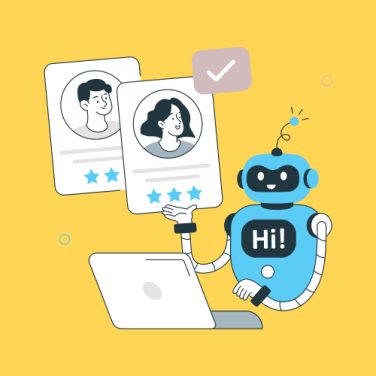
Machine learning for HR harnesses algorithms to analyse vast people data and drive predictive and prescriptive insights.
Organisations are increasingly leveraging ML to transform hiring, retention, engagement, and workforce planning from intuition-based to data-driven workflows. Benefits include efficiency gains, improved predictive accuracy, and fairness enhancements across talent processes.
This guide covers five high-impact use cases—candidate screening, turnover prediction, engagement analysis, bias detection, and workforce optimisation—highlighting their effects on time-to-hire, attrition rates, employee satisfaction, and operational cost.
Automated candidate screening and sourcing
| Feature | คำอธิบาย |
|---|---|
| Efficient Recruitment | Accelerates candidate shortlisting with automated parsing and scoring. |
| Talent Acquisition & Onboarding | Seamless integration with applicant tracking systems (ATS) and job boards streamlines sourcing workflows. |
Predicting employee turnover
Turnover prediction models combine tenure, performance evaluations, compensation history, engagement survey scores, and attendance records to compute flight-risk scores for each employee.
Early-warning indicators—such as sudden absenteeism spikes or declining engagement—trigger manager alerts and targeted retention campaigns.
Engagement analysis and churn prediction
Machine learning analyses text from pulse surveys and internal communications to gauge sentiment and identify engagement drivers. Clustering algorithms group employees by sentiment patterns, enabling tailored well-being programs.
- Sentiment scoring on survey responses highlights emerging issues.
- Cohort clustering reveals distinct engagement profiles.
- Automated alerts flag low-engagement groups for HR follow-up.
Linking engagement trends to performance data helps predict churn risk and informs proactive retention strategies.
Measuring and remediating bias
Auditing ML pipelines for disparate impact involves calculating fairness metrics such as demographic parity and equal opportunity. Bias remediation techniques—like reweighting training samples and adversarial de-biasing—ensure equitable candidate ranking.
Dashboards monitor hires by gender, ethnicity, and other protected attributes to maintain ongoing compliance and foster diverse talent pools.
Workforce optimisation and scheduling
Demand forecasting models use historical workload, seasonal trends, and business calendars to predict staffing needs. Shift scheduling algorithms optimise coverage and cost by balancing employee availability, skills, and labour regulations.
Real-time alerts notify managers of absenteeism or unexpected demand spikes, enabling dynamic roster adjustments. Cross-training recommendations address predicted skill shortages and support operational continuity.
Data preparation and feature selection
- Identify HR data sources: HRIS, ATS, engagement platforms, time-tracking systems.
- Clean and anonymise data to comply with privacy regulations (e.g., GDPR).
- Engineer features: tenure buckets, sentiment scores, overtime rates, performance trends.
- Balance datasets and impute missing values to prevent model bias.
Governance frameworks
Robust ML validation employs cross-validation, A/B testing, and hold-out sets. Monitoring model drift and scheduling recalibration ensures sustained performance.
Documenting data lineage and decision logic supports auditability. Governance policies define roles, responsibilities, and ethical guidelines for ML in HR.
Integrating ML with HRIS and BI tools and measuring success
| Integration Point | Benefit |
|---|---|
| APIs/Connectors | Embed ML outputs into MiHCM dashboards and ATS workflows. |
| BI Reporting | Visualise KPIs: time-to-hire, turnover rate, engagement lift. |
| Executive Scorecards | Monitor ROI and track adoption metrics. |
ขั้นตอนต่อไป
Machine learning empowers HR teams to make data-driven talent decisions across hiring, retention, engagement, fairness, and staffing.
To start, pilot one use case with a cross-functional team, ensure data readiness, and establish governance. Continuous monitoring and ethical oversight maintain model trustworthiness.
Explore MiHCM Data & AI for turnkey ML deployment within your HRIS ecosystem and accelerate your journey to smarter HR operations.