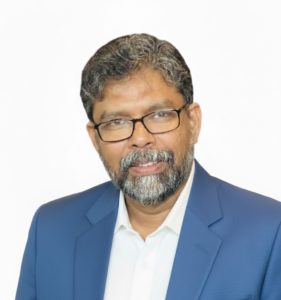
Trong thời kỳ biến động, khả năng lãnh đạo không chỉ được đánh giá qua chiến lược mà còn qua sự đồng cảm, sự rõ ràng và hành động. Trong số này của MiHCM Leadership Lens, chúng tôi trò chuyện với bà Manjula Kulathunga, Giám đốc Nhân sự (CHRO) của Aqua Dynamics Ltd., một nhà lãnh đạo nhân sự dày dặn kinh nghiệm với hơn hai thập kỷ làm việc trong nhiều ngành nghề khác nhau, về ý nghĩa thực sự của việc dẫn dắt con người vượt qua sự bất ổn.
Từ việc đối phó với hậu quả của một cơn bão tàn phá đến việc thúc đẩy quá trình chuyển đổi nhân sự quy mô lớn trong môi trường sản xuất truyền thống, Manjula chia sẻ những nhận định thực tiễn về sự kiên cường, chăm sóc nhân viên và vai trò ngày càng thay đổi của bộ phận nhân sự trong thế giới được định hình bởi công nghệ.
Dựa trên những trải nghiệm thực tế, Manjula suy ngẫm về sự cân bằng giữa dữ liệu và phán đoán, văn hóa và hệ thống, và tại sao niềm tin, trách nhiệm và học tập liên tục vẫn là những nguyên tắc lãnh đạo bất hủ.
Cuộc trò chuyện này cung cấp cái nhìn thẳng thắn về cách các nhà lãnh đạo nhân sự có thể kết hợp lòng trắc ẩn với sự chặt chẽ, công nghệ với sự thấu hiểu con người, để xây dựng các tổ chức không chỉ hiệu quả mà còn thực sự lấy con người làm trung tâm.
Dưới đây là một số trích dẫn:
Phản ứng với khủng hoảng: Hỗ trợ nhân viên trong các thảm họa thiên nhiên
Sri Lanka gần đây đã hứng chịu cơn bão Ditwah tàn phá. Với tư cách là Giám đốc Nhân sự (CHRO) của tổ chức, công ty của bạn đã phản ứng như thế nào để hỗ trợ nhân viên, và dựa trên kinh nghiệm của bạn, điều gì đã hữu ích nhất trong việc đối phó với những cuộc khủng hoảng như vậy?
Ditwah thực sự là một thảm họa lớn đối với chúng tôi. Hoạt động của chúng tôi tập trung tại Negombo, và gần 95% trong số 2.000 nhân viên của chúng tôi sống ở các khu vực lân cận. Nhiều người trong số họ đến từ những điều kiện sống khiêm tốn, thường sống gần các con sông và khu vực dễ bị ngập lụt.
Trong số lực lượng lao động của chúng tôi, gần 600 nhân viên đã bị ảnh hưởng trực tiếp. Khoảng 320 hộ gia đình bị ngập lụt, và trong khoảng 10–15 trường hợp, nhân viên đã mất gần như tất cả tài sản và phải bắt đầu lại từ đầu.
Với tư cách là một công ty, chúng tôi đã đưa ra quyết định có chủ đích là chuyển hướng nguồn vốn ban đầu được phân bổ cho một sự kiện lớn của công ty. Thay vào đó, chúng tôi ưu tiên hỗ trợ nhân viên. Dựa trên mức độ ảnh hưởng, chúng tôi đã lên kế hoạch hỗ trợ tài chính theo từng cấp độ – lên đến Rs. 100.000 cho nhân viên bị ảnh hưởng nghiêm trọng, Rs. 50.000 cho trường hợp thiệt hại vừa phải và Rs. 25.000 cho trường hợp thiệt hại nhẹ. Hiện tại, chúng tôi đang xác minh các yêu cầu bồi thường thông qua tài liệu và chứng nhận địa phương để đảm bảo công bằng.
Ngoài hỗ trợ tài chính, chúng tôi đã cung cấp thuốc phòng ngừa để bảo vệ nhân viên khỏi các bệnh tật sau lũ lụt, vốn không có sẵn vào thời điểm đó. Chúng tôi cũng cung cấp hỗ trợ tinh thần và tâm lý thông qua các điều dưỡng viên được đào tạo và các thành viên của bộ phận Nhân sự, những người có thể lắng nghe và mang lại sự an ủi.
Đặc biệt, chúng tôi đã đảm bảo rằng bất kỳ nhân viên nào không thể đến làm việc trong một tuần do thảm họa đều được trả lương đầy đủ, mà không ảnh hưởng đến các khoản thưởng. Ngoài ra, chúng tôi đã hợp tác với một nhà cung cấp đồ nội thất để hỗ trợ nhân viên thay thế các vật dụng thiết yếu như giường và nệm, với công ty chịu trách nhiệm chi trả chi phí lãi suất cho các kế hoạch trả góp.
Đối với chúng tôi, điều quan trọng là giúp nhân viên lấy lại sự ổn định – không chỉ về mặt tài chính, mà còn về mặt tinh thần và thực tiễn.
Hành trình 24 năm trong lĩnh vực nhân sự qua các ngành nghề
Bạn đã có hơn hai thập kỷ kinh nghiệm trong lĩnh vực nhân sự (HR) ở nhiều ngành nghề khác nhau. Điều đó đã ảnh hưởng như thế nào đến phong cách lãnh đạo của bạn tại Aqua Dynamics?
Đây là năm thứ 24 của tôi trong lĩnh vực Nhân sự, và tôi đã có cơ hội làm việc trong các ngành sản xuất, y tế, du lịch, ô tô, viễn thông và các lĩnh vực liên quan đến chính phủ. Tôi gia nhập Aqua Dynamics cách đây tám năm, công ty hoạt động trong một phân khúc sản xuất ngách nhưng có nhu cầu cao.
Làm việc với các tổ chức đa quốc gia đã giúp tôi tiếp xúc với phong cách lãnh đạo kỷ luật và dựa trên sự tin tưởng – đặc biệt là trong các văn hóa quản lý do người Đức dẫn dắt, nơi tính đúng giờ, trách nhiệm và phong cách lãnh đạo ‘nói đi đôi với làm’ là những yếu tố không thể thương lượng. Những trải nghiệm này đã ảnh hưởng sâu sắc đến cách tôi tiếp cận vai trò lãnh đạo nhân sự ngày nay.
Giá trị cốt lõi định hướng cho lãnh đạo
Những giá trị cốt lõi nào đã định hướng cho bạn trong suốt sự nghiệp của mình?
Học tập liên tục là điều cơ bản. Bạn luôn phải tự hỏi bản thân cách thức nào có thể thực hiện công việc tốt hơn hoặc khác biệt hơn.
Trách nhiệm là một nguyên tắc quan trọng khác. Với tư cách là chuyên gia nhân sự, lời khuyên chúng ta đưa ra và quyết định chúng ta đưa ra có những hậu quả thực tế, vì vậy chúng ta phải chịu trách nhiệm về chúng.
Sự tôn trọng cũng quan trọng không kém – ở mọi cấp độ. Dù là lãnh đạo cấp cao hay nhân viên đang đối mặt với khiếu nại hoặc vấn đề kỷ luật, sự công bằng và tôn trọng phải được duy trì nhất quán.
Cuối cùng, giao tiếp là điều vô cùng quan trọng. Bạn phải nói những gì bạn làm và làm những gì bạn nói. Sự nhất quán xây dựng niềm tin.
Những ảnh hưởng mang tính cách mạng
Có một khoảnh khắc hay một người nào đó đã ảnh hưởng đến hành trình lãnh đạo của bạn không?
Đúng vậy, có hai ảnh hưởng quan trọng.
Tôi ban đầu bước vào lĩnh vực Nhân sự (HR) từ nền tảng toán học và quản lý công nghiệp, vì vậy tôi luôn coi trọng logic và tư duy hợp lý. Trong những năm đầu sự nghiệp, tôi được khuyến khích đọc cuốn ‘Winning’ của Jack Welch. Trải nghiệm đó đã giúp tôi chuyển đổi tư duy từ quản lý nhân sự cấp cơ sở sang tư duy lãnh đạo cấp cao.
Sau này, trong thời gian làm việc tại Bệnh viện Hemas, tôi đã nhận ra tầm quan trọng của cấu trúc, chính sách và quản lý nhân sự chiến lược. Những trải nghiệm đó đã thay đổi cách tôi nhìn nhận vai trò của quản lý nhân sự trong việc định hình tổ chức.
Sự phát triển của công nghệ nhân sự
Công nghệ nhân sự (HR tech) đã có những thay đổi nhanh chóng trong những năm gần đây. Những thay đổi quan trọng nhất mà bạn đã quan sát được trong lĩnh vực công nghệ nhân sự là gì?
Khi tôi bắt đầu, chúng ta chỉ có một vài máy tính để bàn. Ngày nay, mọi người mong đợi truy cập thông tin ngay lập tức. Tự động hóa, tự phục vụ và khả năng theo dõi thời gian thực không còn là lựa chọn nữa.
Nhân viên mong muốn có sự tự chủ – để tự mình xin nghỉ phép, quản lý thông tin và truy cập hệ thống. Họ cũng mong đợi sự nhanh chóng và linh hoạt, dù là trong quá trình tuyển dụng, phỏng vấn hay các tương tác hàng ngày với bộ phận nhân sự.
Quản lý sự thay đổi trong một lực lượng lao động truyền thống
Những thách thức mà các doanh nghiệp đang phải đối mặt khi áp dụng công nghệ nhân sự mới là gì, và làm thế nào các nhà lãnh đạo nhân sự có thể vượt qua những thách thức đó, đặc biệt khi làm việc với lực lượng lao động lớn tuổi?
Tại Aqua Dynamics, nhiều quản lý đã làm việc tại công ty hơn 20 năm. Khi tôi gia nhập, công ty không có hệ thống chấm công, không có hệ thống quản lý hiệu suất chính thức và mọi thứ đều được thực hiện trên giấy.
Thuyết phục mọi người chuyển từ các quy trình thủ công sang hệ thống số hóa là một thách thức. Tuy nhiên, sự ủng hộ mạnh mẽ từ lãnh đạo, đào tạo liên tục và chứng minh giá trị đã giúp quá trình chuyển đổi trở nên khả thi.
Ngày nay, các hệ thống cung cấp khả năng theo dõi, độ chính xác và sự tin cậy trong quá trình ra quyết định – điều mà trước đây rất khó thực hiện với các quy trình dựa trên giấy tờ.
Sức mạnh của quản lý nhân sự dựa trên dữ liệu
Vai trò của việc ra quyết định dựa trên dữ liệu trong lĩnh vực Nhân sự (HR) ngày nay quan trọng như thế nào?
Điều này rất quan trọng. Dữ liệu giúp chúng ta xác định các xu hướng hành vi, mô hình vắng mặt, khoảng cách hiệu suất và chi phí nhân lực.
Với dữ liệu hiệu suất lịch sử và hệ thống tích hợp, chúng ta có thể lập kế hoạch kế thừa, ngân sách và chiến lược nhân sự với độ tin cậy cao hơn nhiều. Nếu không có dữ liệu, việc lập kế hoạch dài hạn có ý nghĩa gần như là không thể.
Sự tham gia, sự gắn bó và văn hóa
Khả năng sản xuất công nghệ cao và tính linh hoạt của Aqua Dynamics đã giúp công ty này trở thành một trong những nhà sản xuất hàng đầu trong lĩnh vực chuyên môn của mình – sản xuất các sản phẩm thể thao được thiết kế riêng và tiên tiến. Bên cạnh việc áp dụng các kỹ thuật sản xuất tiên tiến nhất, công ty đặc biệt coi trọng tay nghề cao của đội ngũ nhân viên. Những chiến lược nhân sự chính nào mà quý công ty áp dụng để đảm bảo sự gắn kết và giữ chân nhân viên?
Chúng tôi luôn đạt điểm cao trong các cuộc khảo sát về sự gắn kết của nhân viên và được công nhận là một trong những nhà tuyển dụng hàng đầu tại Nam Á. Văn hóa của chúng tôi lấy con người làm trung tâm. Lãnh đạo luôn cởi mở, giao tiếp minh bạch và chúng tôi ưu tiên các hoạt động gắn kết thường xuyên.
Ngoài ra, chúng tôi đầu tư vào phúc lợi cho nhân viên – từ bữa ăn, phương tiện đi lại đến chăm sóc sức khỏe, bảo hiểm và hỗ trợ giáo dục cho con cái của nhân viên. Những sáng kiến này giúp xây dựng niềm tin và sự trung thành lâu dài.
Sử dụng MiHCM để thúc đẩy chuyển đổi nhân sự
Về các giải pháp MiHCM mà Aqua Dynamics đã triển khai, các giải pháp này đã hỗ trợ mục tiêu nhân sự của quý công ty như thế nào và những tính năng nào đã mang lại tác động lớn nhất?
MiHCM đã giúp chúng tôi chuyển đổi hoàn toàn từ các quy trình dựa trên giấy sang hệ thống HR số hóa. Chúng tôi đã triển khai các hệ thống chấm công, quản lý nhân sự cơ bản, tính lương, quản lý hiệu suất và tuyển dụng theo từng giai đoạn.
Hệ thống đã cải thiện kỷ luật, tính minh bạch và trách nhiệm giải trình – đặc biệt trong quản lý nghỉ phép, độ chính xác của bảng lương, quy trình phê duyệt và báo cáo. Các cảnh báo tự động và bảng điều khiển đã giúp các nhà quản lý có thể hành động chủ động.
Đối tác tiếp theo của chúng tôi với MiHCM là tập trung vào phát triển và đào tạo, kế hoạch kế thừa, và xây dựng năng lực – những lĩnh vực mà công nghệ sẽ tiếp tục đóng vai trò quan trọng.
Chuẩn bị cho thập kỷ tiếp theo của lĩnh vực Nhân sự
Những xu hướng nhân sự nào mà các tổ chức cần chuẩn bị cho thập kỷ tới?
Sự linh hoạt sẽ là yếu tố quan trọng – làm việc từ xa hoặc kết hợp khi có thể, các nền tảng ưu tiên di động và quy trình tuyển dụng kỹ thuật số.
Học tập cần phải trở nên tự chủ hơn, với các nền tảng học tập theo yêu cầu thay thế cho đào tạo truyền thống trong lớp học. Tính khả dụng, sự đơn giản và trải nghiệm người dùng sẽ là yếu tố quyết định thành công của các hệ thống nhân sự.
Lời khuyên dành cho những người muốn theo đuổi nghề nhân sự
Cuối cùng, bạn có lời khuyên nào dành cho các chuyên gia nhân sự muốn phát triển mạnh mẽ trong tương lai được dẫn dắt bởi công nghệ?
Hiểu rõ hoạt động kinh doanh của bạn trước tiên. Công nghệ nên hỗ trợ nhu cầu kinh doanh – chứ không phải là yếu tố quyết định một cách mù quáng.
Sử dụng dữ liệu để đưa ra quyết định, nhưng cần cân bằng với kinh nghiệm và phán đoán. Và luôn đầu tư vào việc học tập liên tục – cả cho bản thân và đội ngũ nhân viên của bạn.
Bộ phận Nhân sự (HR) cần chuyển đổi từ vai trò hành chính sang chiến lược, được hỗ trợ bởi công nghệ phù hợp và tư duy đúng đắn.