Every HR technology pitch in 2026 seems to include an AI agent. Some of them are real. Many are not.
Gartner warned in June 2025 that over 40% of agentic AI projects will be cancelled by the end of 2027, because of escalating costs, unclear business value or inadequate risk controls. It also flagged “agent washing”: the rebranding of existing assistants, robotic process automation and chatbots as agents. By its estimate, only about 130 of the thousands of agentic AI vendors are real.
That is not a reason to ignore the technology. It is a reason to be precise about it.
What an AI agent actually is
A chatbot answers. An assistant helps a person complete a task. An agent goes further: it is given a goal, plans the steps, and acts across systems to reach it, with limited supervision.
That autonomy is the point. It is also the risk. In HR, the actions in question touch pay, careers and personal data.
What AI agents can do well today
The tasks that suit agents share four traits. They are high in volume, governed by clear rules, reversible if something goes wrong, and checked by a person before anything final happens.
In HR, that describes a surprising amount of work:
• Answering policy questions from the handbook, with the source cited, so employees get consistent answers at any hour.
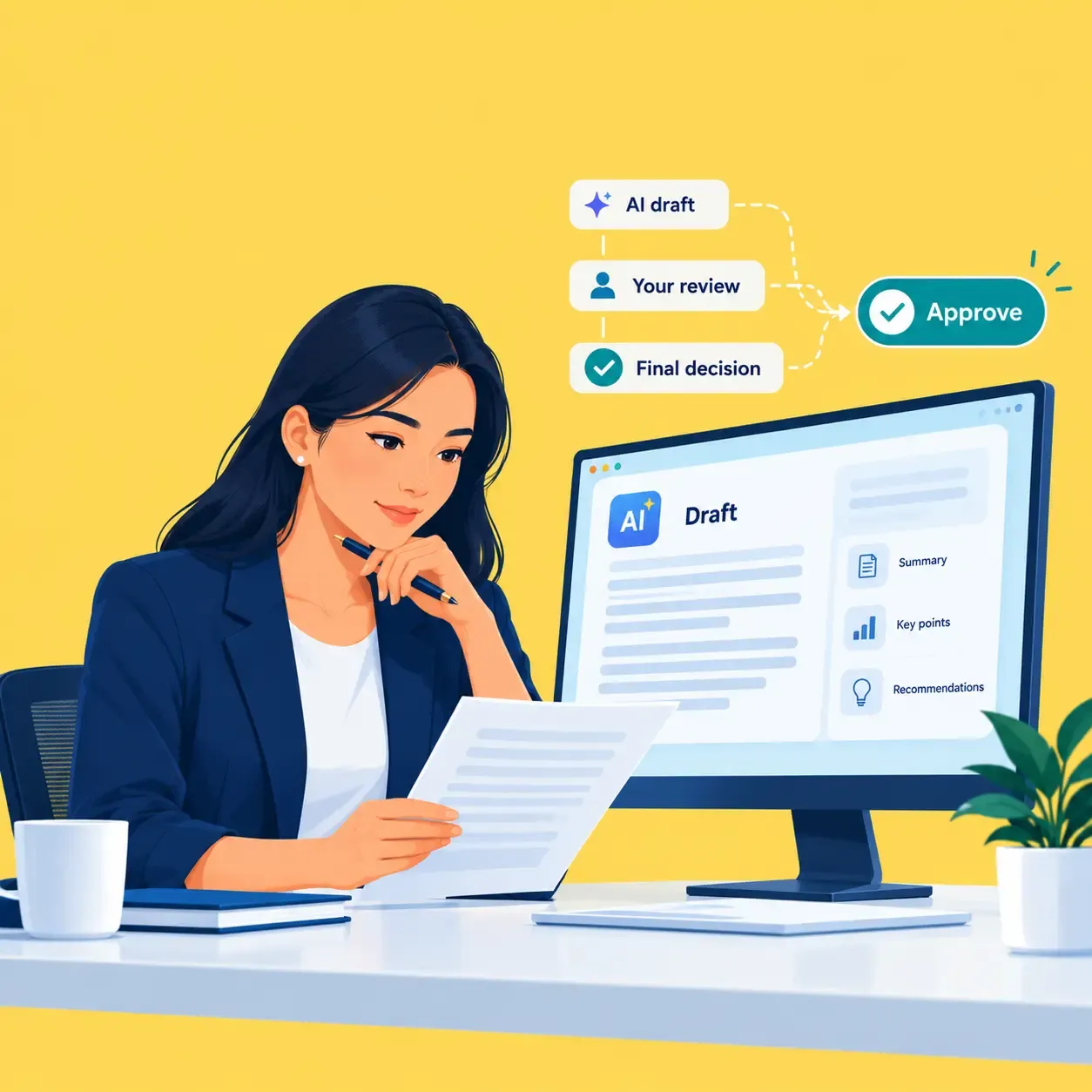
• Drafting documents such as job descriptions, offer letters and policy summaries, for a person to review and approve.
• Orchestrating onboarding, by triggering account requests, document collection and induction tasks in the right order.
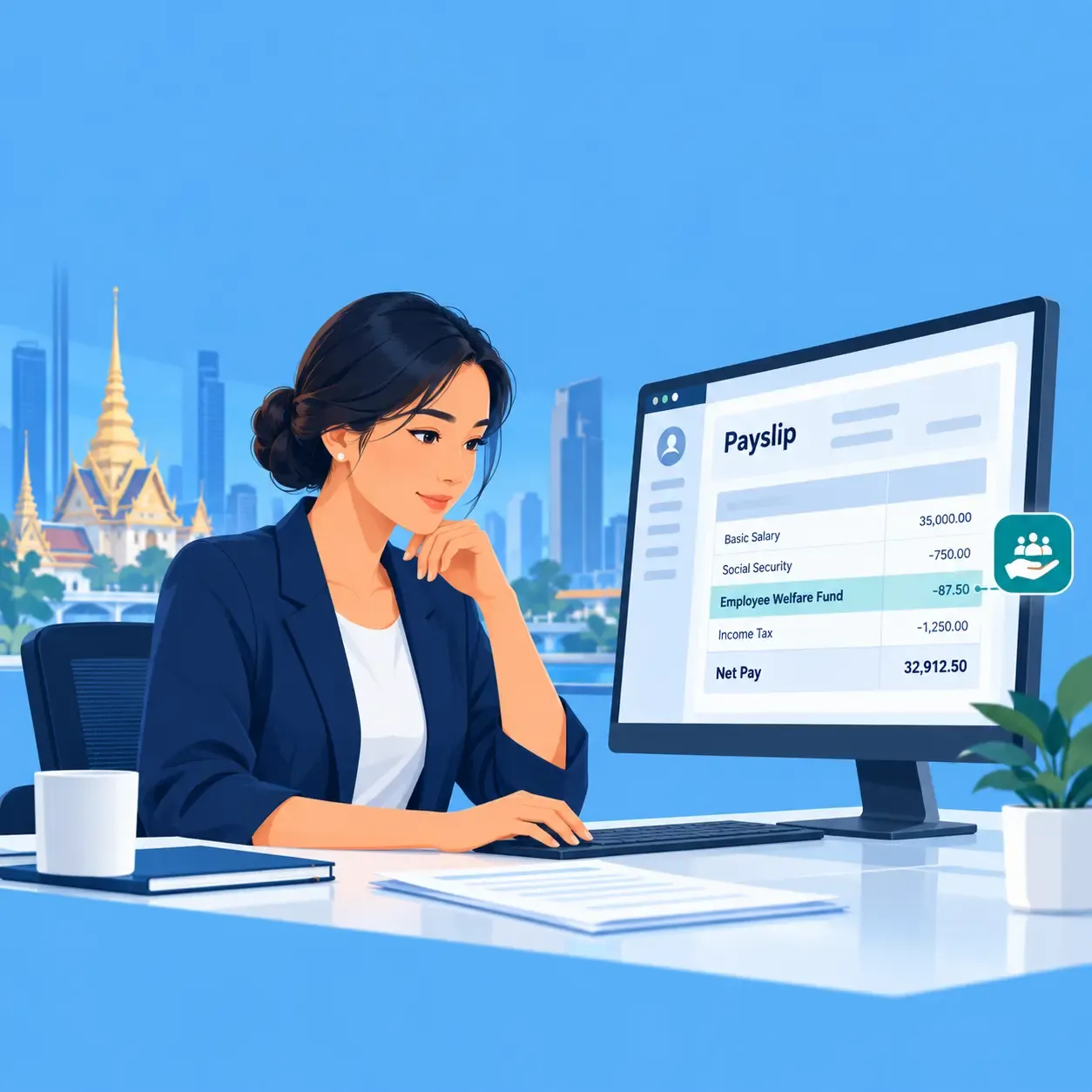
• Pre-payroll checks, by flagging anomalies such as missing bank details, unusual overtime or allowances that break policy, before the run is approved.
• Triaging leave and claims, by checking requests against entitlements and routing exceptions to the right approver.
• Summarising open-text feedback from engagement surveys, so analysts start with themes rather than thousands of comments.
In each case, the agent prepares and a person decides.
What they cannot do, or should not
The limits are not only technical. Some are matters of accountability.
Agents should not make final decisions on hiring, promotion, pay, discipline or dismissal. These decisions carry legal consequences and require judgement, context and the ability to explain the outcome to the person affected.
Agents cannot reliably interpret ambiguous or fast-changing law across several jurisdictions. Statutory rates, thresholds and filing rules shift every year across Asia. An agent working from stale guidance will be confidently wrong.
Agents are poorly suited to sensitive conversations: grievances, harassment complaints, bereavement, health. These need a person.
And agents cannot own accountability. When something goes wrong, the employer is still answerable.
Regulators have drawn the same line
The European Union’s AI Act treats AI used in employment as high-risk. That covers systems used for recruitment and selection, and for decisions on promotion, termination, task allocation, and monitoring or evaluating performance.
The obligations for these systems were due to apply from 2 August 2026. Under Regulation (EU) 2026/1744, the so-called Digital Omnibus, they now apply from 2 December 2027. The obligations were postponed, not removed: risk management, documentation, transparency and human oversight remain.
Most Asian employers are not directly bound by EU law unless they hire or manage people in the EU. But the Act is fast becoming the reference point for what responsible AI in HR looks like.
A five-question test before you deploy
1. Is the task rule-based? If the rules cannot be written down, an agent cannot follow them reliably.
2. Is the outcome reversible? Start where mistakes can be caught and corrected.
3. Can it show its source? An answer without a citation cannot be checked.
4. Who signs off? Name the person accountable for every action the agent takes.
5. Is the data clean? An agent working on inconsistent HR records will scale the inconsistency.
The last question matters most. Agents do not fix poor data. They act on it faster.
Where MiHCM stands
MiHCM’s approach is assistance with human control. Our AI solutions help HR teams with routine tasks, recruitment, and workforce insights, irrespective of the HR system in use. The HR professional stays in charge of the decision.
The realistic promise of AI in HR is not autonomy. It is capacity: more time for the judgement calls that only people can make.
Frequently Asked Questions
What is an AI agent in HR?
An AI agent is software that is given a goal, plans the steps and takes actions across systems to achieve it with limited supervision. In HR, that might mean checking a leave request against policy and routing it for approval.
Can AI agents make hiring decisions?
They should not make final hiring decisions. AI can help draft job descriptions or organise applications, but decisions on hiring, pay, promotion and dismissal should remain with accountable people.
Is AI in HR regulated?
The EU AI Act classifies AI used in recruitment, promotion, termination, task allocation and performance evaluation as high-risk. Under Regulation (EU) 2026/1744, those obligations apply from 2 December 2027.
Why do agentic AI projects fail?
Gartner expects over 40% of agentic AI projects to be cancelled by the end of 2027, citing escalating costs, unclear business value and inadequate risk controls.
Which HR tasks are best suited to AI agents?
High-volume, rule-based and reversible tasks with a human checkpoint, such as policy questions, document drafting, onboarding orchestration, pre-payroll checks and leave triage.
Sources
• Gibson Dunn, EU AI Act Omnibus Agreement — Postponed High-Risk Deadlines