
HR transformation – A strategic narrative from the inside out

By Vindya Cumaratunga It is a good morning after a long weekend. The boardroom is full, but the mood is heavy. “We invested in a new HR system last year,” the CEO says, looking around the room. “So why are we still making decisions in spreadsheets?” Silence follows. The Chief HR understands the reality. The […]
Beyond HR tech: Unpacking the future of HR transformation with Vindya Cumaratunga

The launch of MiHCM Consulting in January 2026 heralded a new era for global HR technology provider MiHCM, with the new practice designed to deliver end-to-end HR transformation, change management, and advisory services for organisations across South Asia and Southeast Asia. It also expands MiHCM’s regional footprint beyond technology into strategic advisory and execution and […]
Resume screening in 2026: A guide to AI-powered screening, ATS integration & bias governance
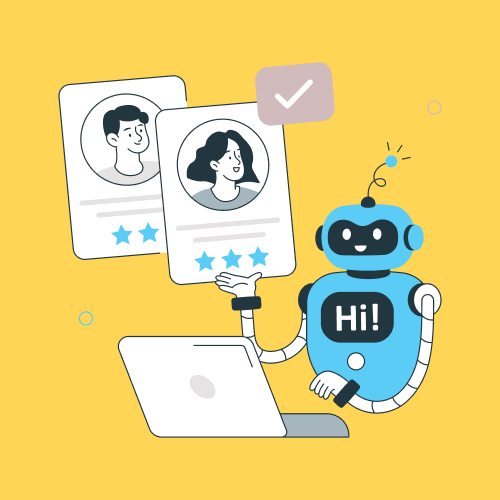
Resume screening is the process of filtering applicants to a shortlist suitable for interview. AI-based resume screening augments that process by converting documents into structured fields, extracting skills and experience, and scoring candidates for relevance. The result is faster shortlists, more consistent evaluation and auditable decision traces. Why it matters: manual screening becomes costly and […]
IWD 2026: How empowerment, trust, and safety shape women’s leadership at MiHCM

On this International Women’s Day 2026, the global theme ‘Give to Gain’ is a powerful reminder that progress is reciprocal. When we give knowledge, opportunity, support, and belief, we gain innovation, leadership, resilience, and growth. At MiHCM, empowerment, trust, safety, and growth are not seasonal messages. They are not campaign buzzwords. They are lived experiences […]
AI for performance management: Scaling coaching, automating reviews & driving measurable growth

AI for performance management is the practical use of machine learning, natural language processing and predictive analytics to reduce review administration and scale manager coaching. This guide explains how automation (admin tasks, reminders, draft generation) differs from augmentation (inflow coaching, personalised microlearning and decision support). It sets expectations: AI should extend manager capacity, not replace […]
AI for employee engagement in 2026: From chatbots to predictive retention

Between 2024 and 2026 the economics of AI shifted: cheaper compute, robust HRIS integrations and rising employee expectations for consumergrade experiences make this a turning point for people teams. Organisations can now deploy conversational assistants and prediction models at scale while integrating them into payroll, LMS and casemanagement systems. Expected benefits include faster insights at […]
The future of work in Sri Lanka: 2026 and beyond

Sri Lanka’s workforce has undergone one of the most defining transformations in its modern history. The country’s economic crisis, which intensified between 2021 and 2022, culminated in the country’s first-ever sovereign debt default in April 2022. Severe foreign exchange shortages, spiralling inflation, fuel and energy disruptions, and sharp currency depreciation brought both public institutions and […]
How to use AI to improve team performance: The manager playbook
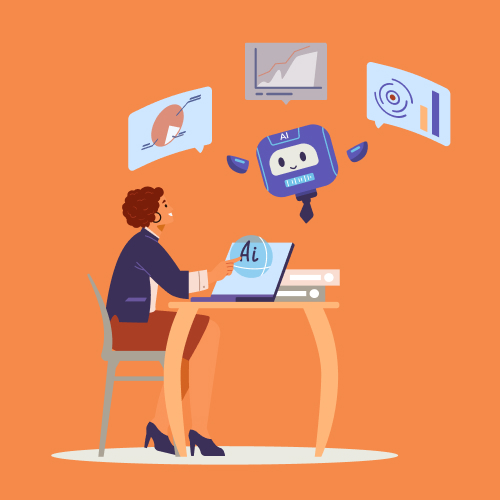
This playbook starts from a simple premise: AI augments manager judgement, it does not replace it. Managers can use continuous, context-rich signals to run faster coaching loops, reduce admin, and detect risk earlier — then map every action back to measurable KPIs. What this playbook is (and isn’t) This is a manager-first, practical guide: micro-actions, […]
Here’s how to use AI for performance reviews
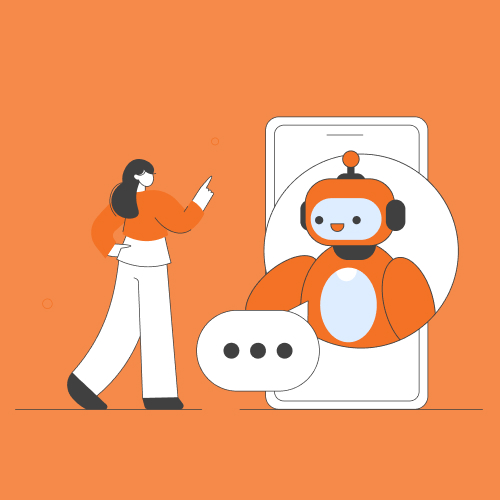
Using AI for performance reviews can speed drafting, surface evidence and produce rolespecific suggestions, while leaving rating, disciplinary and hiring decisions to humans. This guide explains where AI should sit in the review lifecycle, what HR must control, and how managers get better feedback faster without sacrificing fairness or auditability. Where AI belongs in the […]
Performance management automation: Tools and best practices

Performance management automation addresses three converging pressures in 2026: distributed hybrid teams at scale, rising expectations for continuous feedback, and constrained HR bandwidth. Automating repeatable tasks speeds review cycles, ensures consistent evidence capture and frees managers to spend time coaching rather than compiling paperwork. The business case for automating performance reviews Faster cycles: automation shortens […]