
For years, HR transformation focused heavily on digitising HR.
Move paper processes online. Introduce employee self-service. Automate workflows. Centralise employee data. Modernise payroll and attendance.
Those foundations remain important. But the strategic question facing HR leaders in 2026 is different.
How do we redesign the workforce for a world where people and AI increasingly work together?
Recent human capital research reflects this shift. Human and AI collaboration, skills, adaptability and the redesign of work are becoming central challenges for the people function. This creates a new strategic mandate for HR. Technology matters. But workforce design matters more.
Priority 1: Move from AI experiments to AI operating models
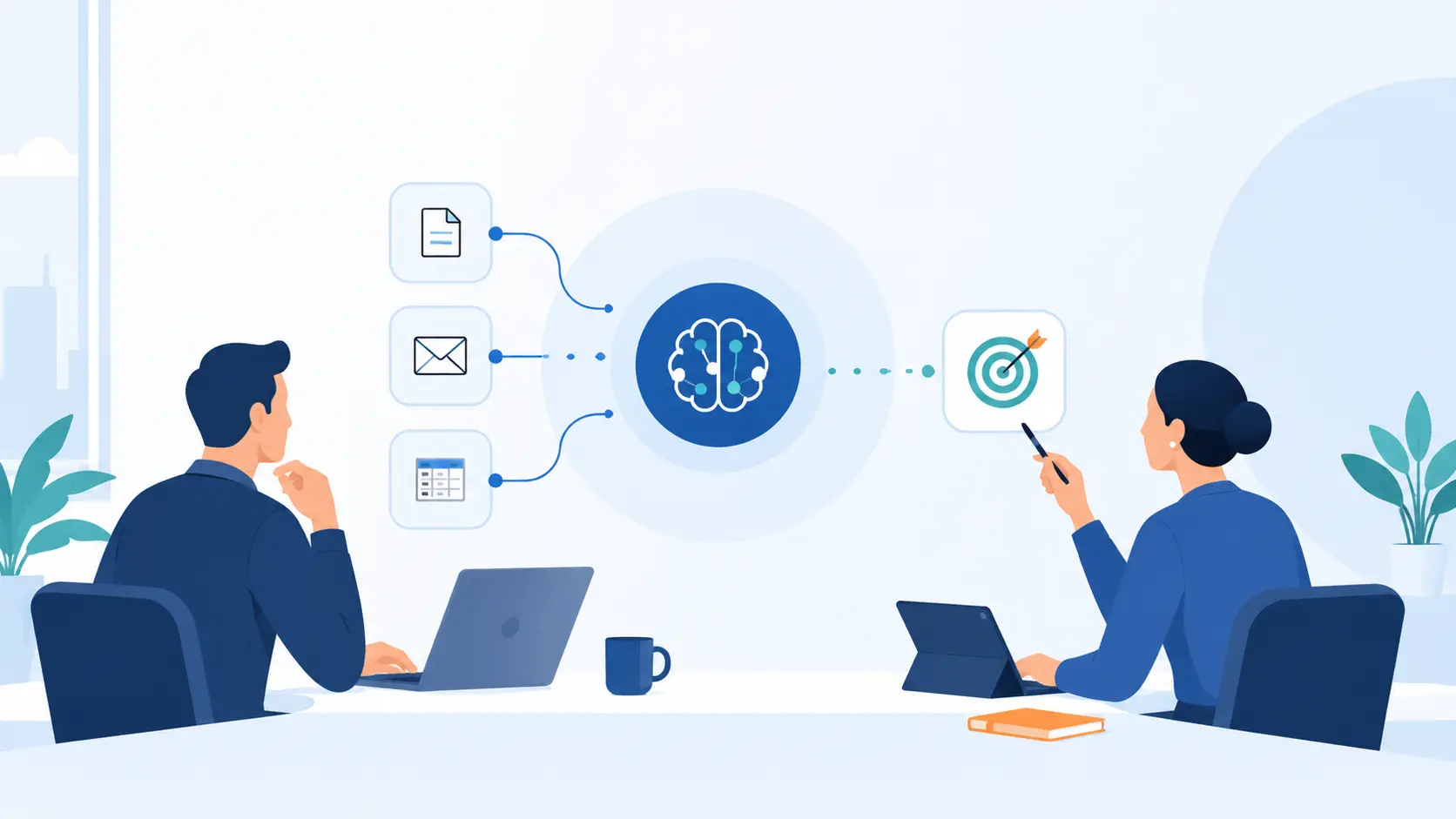
Most organisations have already encountered generative AI. Employees use copilots. Teams experiment with prompts. Functions automate pieces of work. 2026 should be the year organisations move beyond disconnected experimentation.
HR leaders should ask:
- Which work should AI automate?
- Which work should AI augment?
- Which decisions must remain human?
- How should jobs change as a result?
This requires shifting the conversation from AI tools to work design. If AI handles policy discovery, summarisation, basic employee queries, routine reporting and administrative preparation, the question should not simply be “how many hours did we automate?” It should be: what higher-value work can our people now perform?
The future model is not human versus AI. It is the deliberate design of human and AI collaboration.
Priority 2: Build a skills map of the organisation
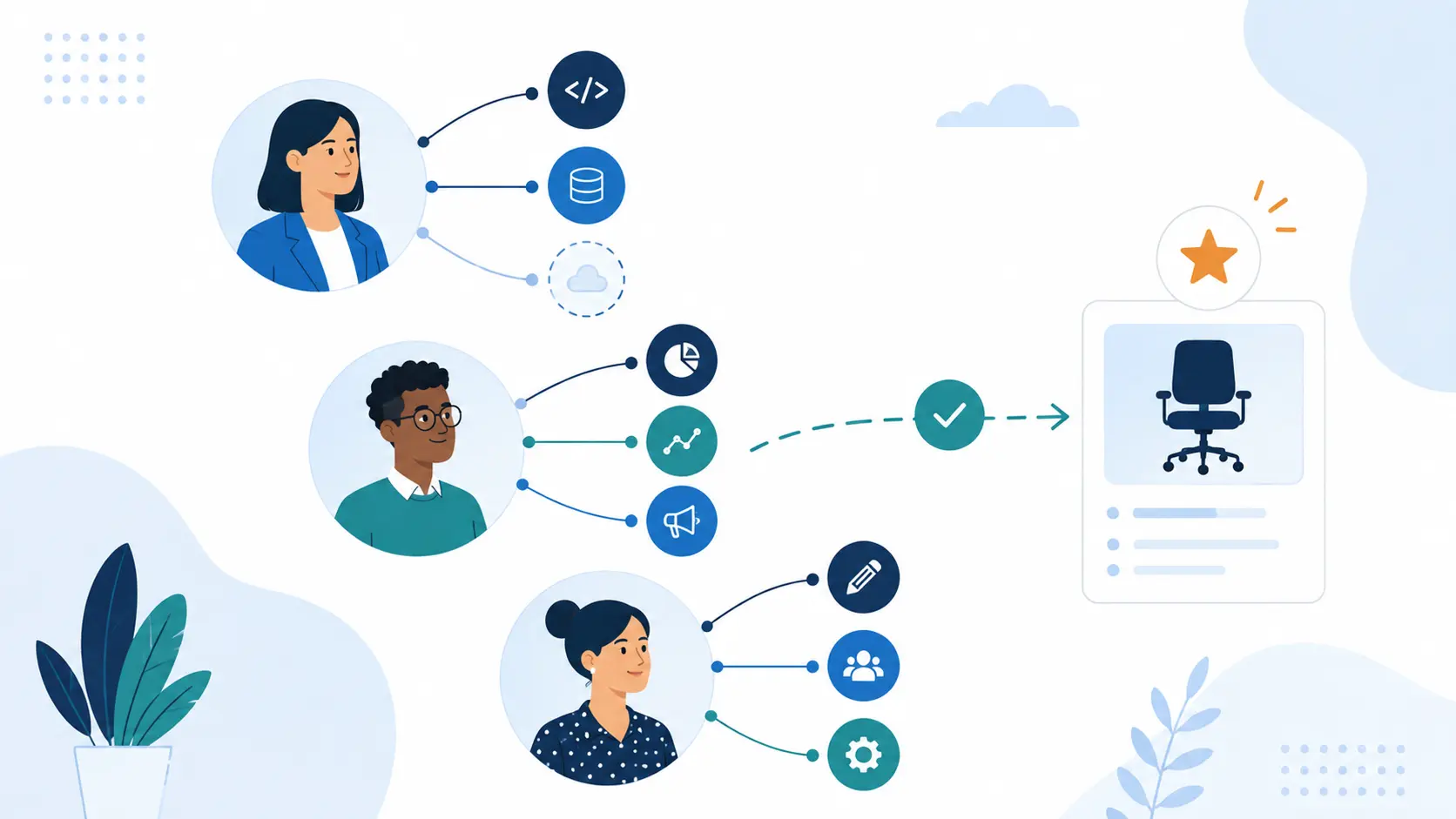
Traditional workforce planning begins with headcount. Future-ready workforce planning begins with capability.
Two employees with identical job titles may have very different skills. An emerging business requirement may require skills that exist somewhere inside the organisation — but HR has no structured way to find them.
Skills-based workforce planning allows organisations to look beyond job titles and understand the capabilities available across the workforce. It can support internal mobility, identify capability gaps and reduce the tendency to treat external recruitment as the only response to a new requirement.
The 2026 HR leader therefore needs visibility into three things:
- Skills we have
- Skills we need
- Skills that are becoming less important
That creates a stronger foundation for recruitment, development, succession and workforce planning. It does not require a perfect taxonomy on day one — a usable map of critical roles is more valuable than an exhaustive one that never ships.
Priority 3: Make AI literacy a workforce capability
AI literacy is quickly becoming comparable to digital literacy. Not every employee needs to become an AI engineer. But employees increasingly need to know how to work effectively with intelligent systems.
- How to ask effective questions
- How to assess an AI-generated response
- When information needs verification
- What data should not be shared
- Where automation is appropriate
- When human judgement is required
For HR leaders, this means moving away from one-off “AI awareness sessions”. AI capability development should become continuous, role-specific and tied to the work people actually do.
Priority 4: Connect workforce data to business decisions
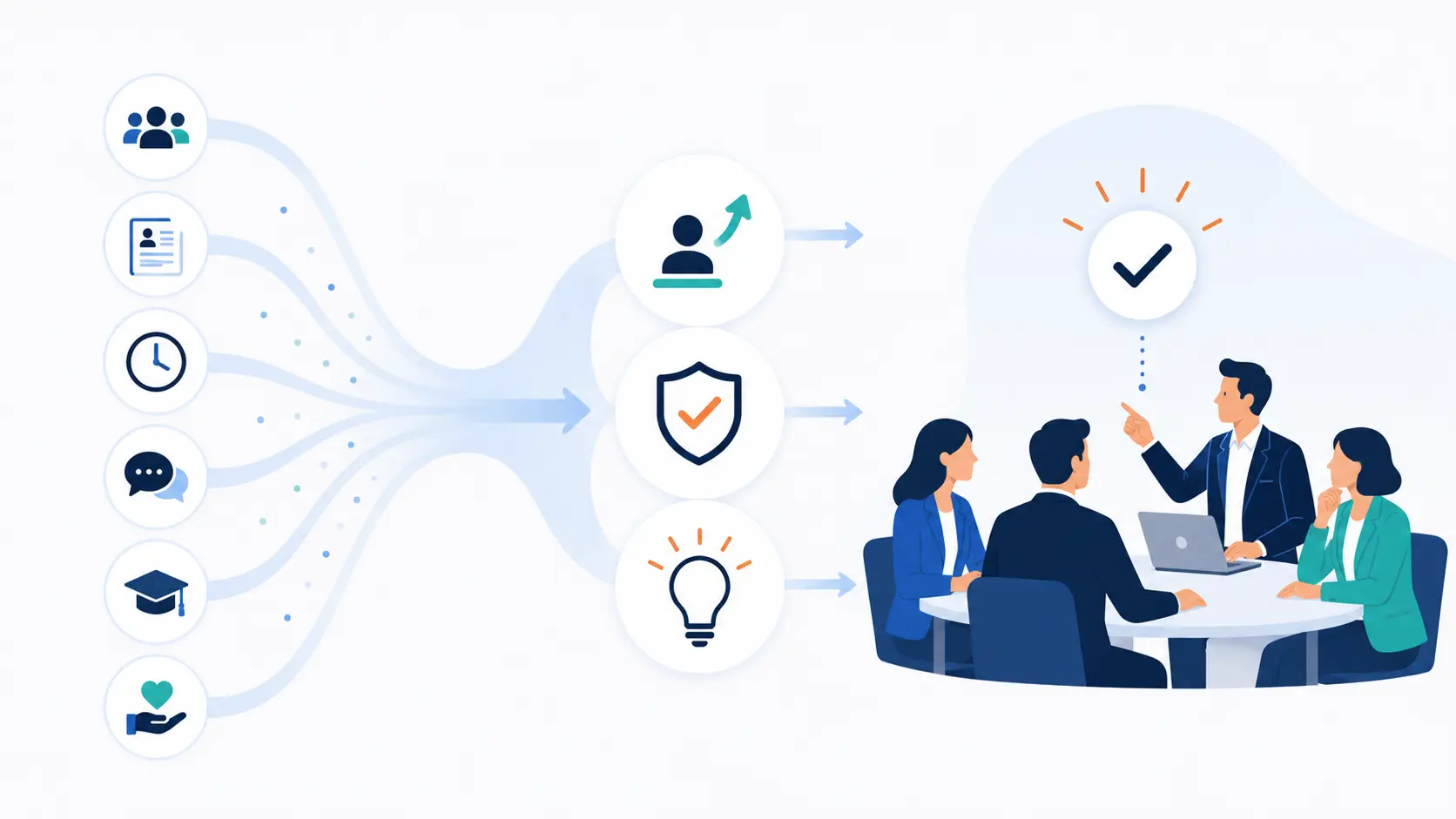
HR does not suffer from a shortage of data. It suffers from a shortage of usable insight.
Headcount. Turnover. Absence. Performance. Skills. Hiring. Compensation. Overtime. Attendance. Learning. These datasets often live in different reports and systems.
Leadership does not need twelve dashboards. Leadership needs answers.
- Where are we losing critical talent?
- What capability gaps could delay our growth plans?
- Which business units have abnormal overtime?
- Where could internal mobility solve recruitment pressure?
- How will upcoming workforce costs affect the operating plan?
The value of people analytics lies less in producing more visualisations and more in reducing the distance between question and decision. AI is making conversational access to workforce data increasingly possible.
Data informs. People decide.
Priority 5: Treat employee experience as infrastructure
Employee experience should not be reduced to engagement surveys or workplace perks. Employees experience the organisation every time they request leave, find a policy, complete an approval, update information, contact HR, access payroll information, apply internally, manage a team or try to get something done.
Every unnecessary step becomes organisational friction. The strategic HR question for 2026 should therefore be: how easy is it for an employee to get work done?
This changes the role of HR technology. The objective is not simply digitising a form. It is reducing the effort required to complete the underlying task.
Priority 6: Redesign productivity measurement
The productivity discussion becomes more complicated when AI can complete tasks in seconds that previously took hours. Traditional activity metrics become less meaningful.
Instead of measuring only activity, organisations should increasingly examine:
- Business output
- Cycle time
- Quality
- Customer outcomes
- Innovation
- Employee capability
- Cost efficiency
- Decision speed
AI should increase the capacity of people to create value — not simply increase the volume of activity.
Priority 7: Put governance beside innovation
Organisations sometimes frame governance and innovation as opposites. They are not. Good governance enables organisations to adopt technology with greater confidence.
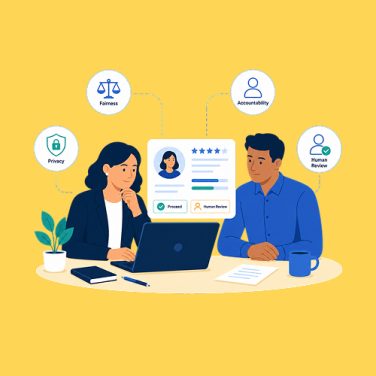
For AI in particular, HR should establish boundaries around:
- Data privacy
- Human oversight
- Bias and fairness
- Keamanan
- Approved use cases
- Vendor governance
- Employee transparency
- Accountability
The question is not whether HR should innovate or govern. It is how to build governance that allows responsible innovation to scale.
Priority 8: Modernise the HR operating model itself
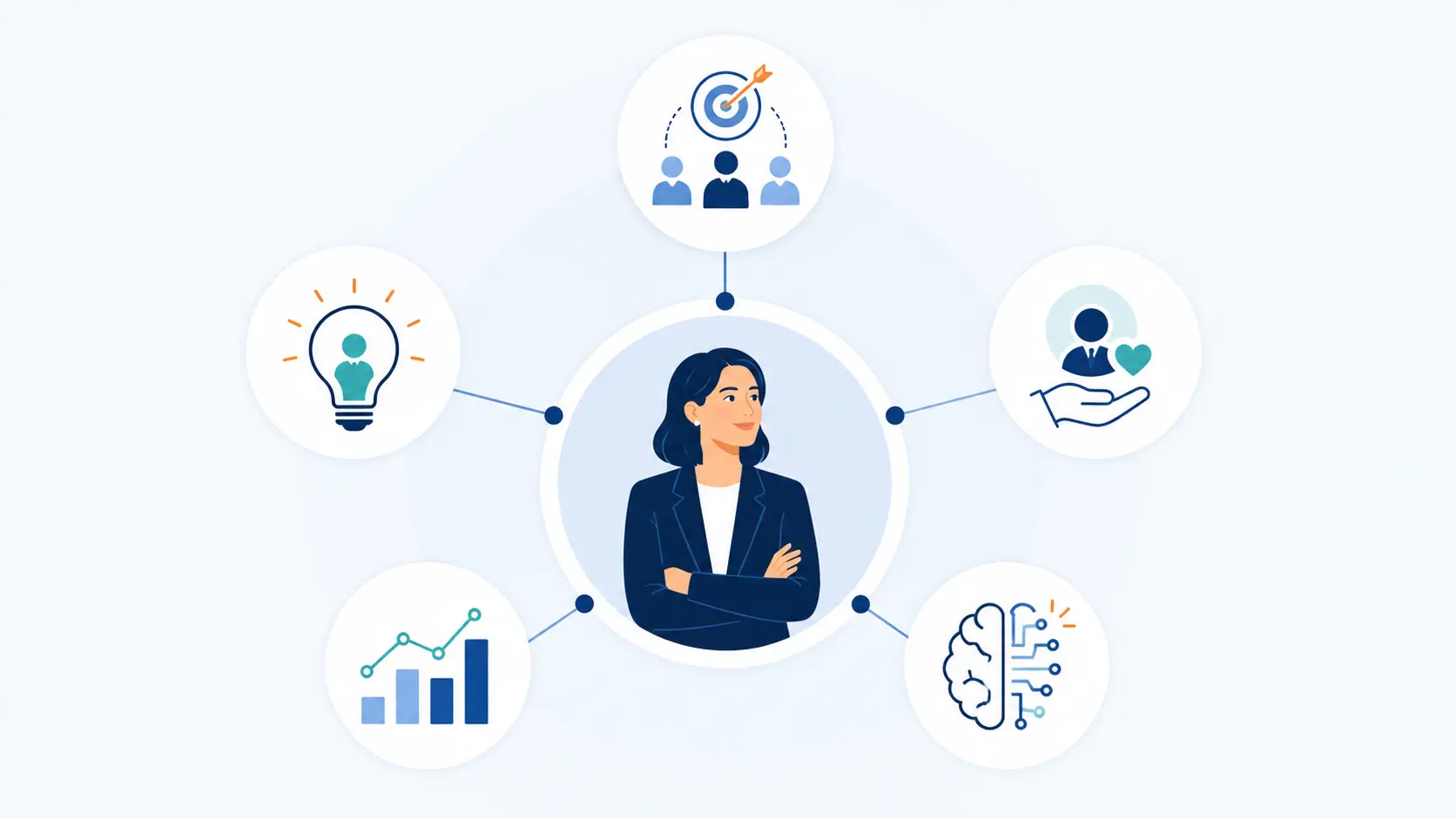
HR cannot lead workforce transformation while operating entirely through legacy processes. As automation handles more transactional work, HR roles should evolve.
The HR function of the future will need stronger capabilities in:
- Analisis tenaga kerja
- AI governance
- Workforce planning
- Organisation design
- Employee experience
- Manajemen perubahan
- Digital process design
- Skills intelligence
Transactional HR will not disappear. But more of it will become automated or employee-driven. The value of HR will increasingly be measured by the quality of decisions it enables across the organisation.
Priority 9: Build an adaptable workforce, not a perfect workforce plan
No workforce plan created in January will perfectly predict December. Technology will change. Markets will change. Roles will change. Skills will change.
The strongest workforce strategy is therefore not one that predicts everything correctly. It is one that allows the organisation to respond faster when conditions change.
- Skills visibility
- Internal mobility
- Learning
- Workforce data
- Scenario planning
- Leadership capability
- HR technology
- Organisation design
Adaptability becomes the strategy.
What should HR leaders do next?
The 2026 agenda can feel overwhelming: AI, skills, employee experience, analytics, productivity, compliance and workforce planning. The answer is not to launch ten transformation programmes at once. Start with the operating questions.
- What business outcomes must our workforce deliver over the next 24 to 36 months?
- Which capabilities will determine whether we succeed?
- Where does unnecessary work slow our people down?
- Where can technology meaningfully augment employees?
- Which decisions require better workforce intelligence?
- Which risks require stronger governance?
Then build the technology roadmap around those answers. That is the difference between implementing HR technology and executing an HR strategy.
Where technology fits
Technology should follow the strategy rather than define it.
MiHCM Enterprise provides the core HR and workforce foundation; Syntra brings workforce data into a single intelligence and analytics layer so leaders can move from reporting to decisions; MiA ONE, our personal AI agent, and SmartAssist, our AI HR co-pilot, reduce the effort employees and HR teams spend on routine tasks and information-seeking.
The principle behind all of them is the same one running through this playbook: intelligence should widen the range of decisions leaders can make well, while the judgement itself stays human.
HR’s opportunity in 2026
HR has spent years earning a place in strategic conversations. AI, workforce disruption and rapidly changing skill requirements now make the people agenda inseparable from the business agenda.
HR can help determine how work is designed, how AI is introduced, which capabilities are developed, how workforce investments are prioritised and ultimately how people and technology combine to create better organisational performance.
That is a very different mandate from managing HR administration. It is the transition from managing people processes to designing the future workforce — and that may be the most important HR transformation of 2026.
Transparency and verification
This article is intended as general guidance for HR and business leaders and reflects MiHCM’s perspective on the 2026 people agenda. It does not constitute legal or professional advice. Research themes referenced are drawn from the named public sources listed below, which were reviewed at the time of writing. No statistics have been used that cannot be attributed to a named source.
Sources:
- Deloitte: Global Human Capital Trends — https://www.deloitte.com/us/en/insights/topics/talent/human-capital-trends.html
- OECD: AI and skills — https://www.oecd.org/en/publications/ai-and-skills_f843b352-en.html
- ASEAN Guide on AI Governance and Ethics — https://asean.org/wp-content/uploads/2024/02/ASEAN-Guide-on-AI-Governance-and-Ethics_beautified_201223_v2.pdf