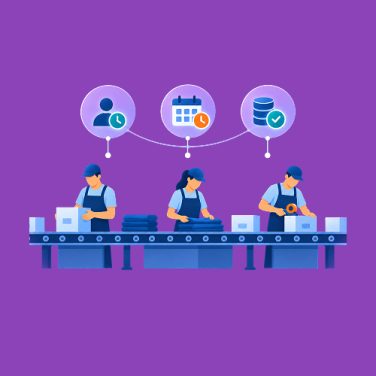
Every month, Malaysian enterprises generate one of the most disciplined datasets in the business. It is not in the CRM. It is not in the ERP. It is payroll.
Payroll data is complete: every employee, every ringgit, every month. It is timely, because statutory submissions do not wait. It is reconciled, because finance signs it off. And in most organisations, it is used for exactly one purpose: paying people.
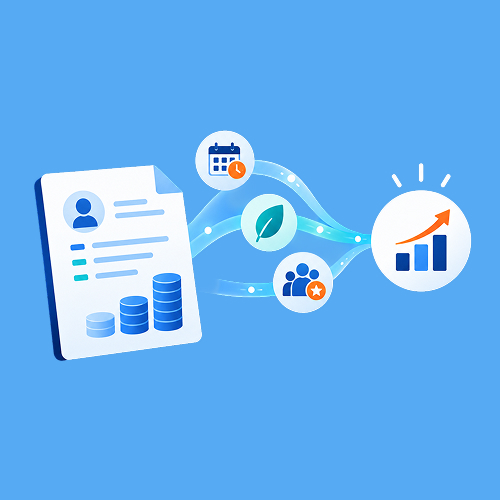
That is the gap people analytics closes. Not by adding new data, but by asking better questions of the data that already exists.
The most reliable dataset you already own
Malaysian payroll operates on a fixed monthly rhythm. Contributions to the Employees Provident Fund, the Social Security Organisation, the Employment Insurance System, and monthly tax deductions all fall due by the fifteenth of the following month. Miss the date and the consequences are immediate and personal to directors.
That pressure produces something valuable as a by-product: clean, structured, month-on-month records covering headcount, earnings, overtime, allowances, deductions, joiners and leavers, across every entity in the group. Add time and attendance, leave, and performance data, and you have the raw material for workforce intelligence that most organisations spend years and considerable budget trying to buy from elsewhere.
The regulatory floor has also been rising. The Employment (Amendment) Act 2022 tightened working-hour and flexible-work provisions. Statutory coverage has widened: the wage ceiling for SOCSO and EIS contributions rose to RM6,000 in October 2024, and EPF contributions were extended to foreign workers from October 2025. Each change alters cost per head, and each one is recorded in payroll before it appears anywhere else.
Reporting is not analytics
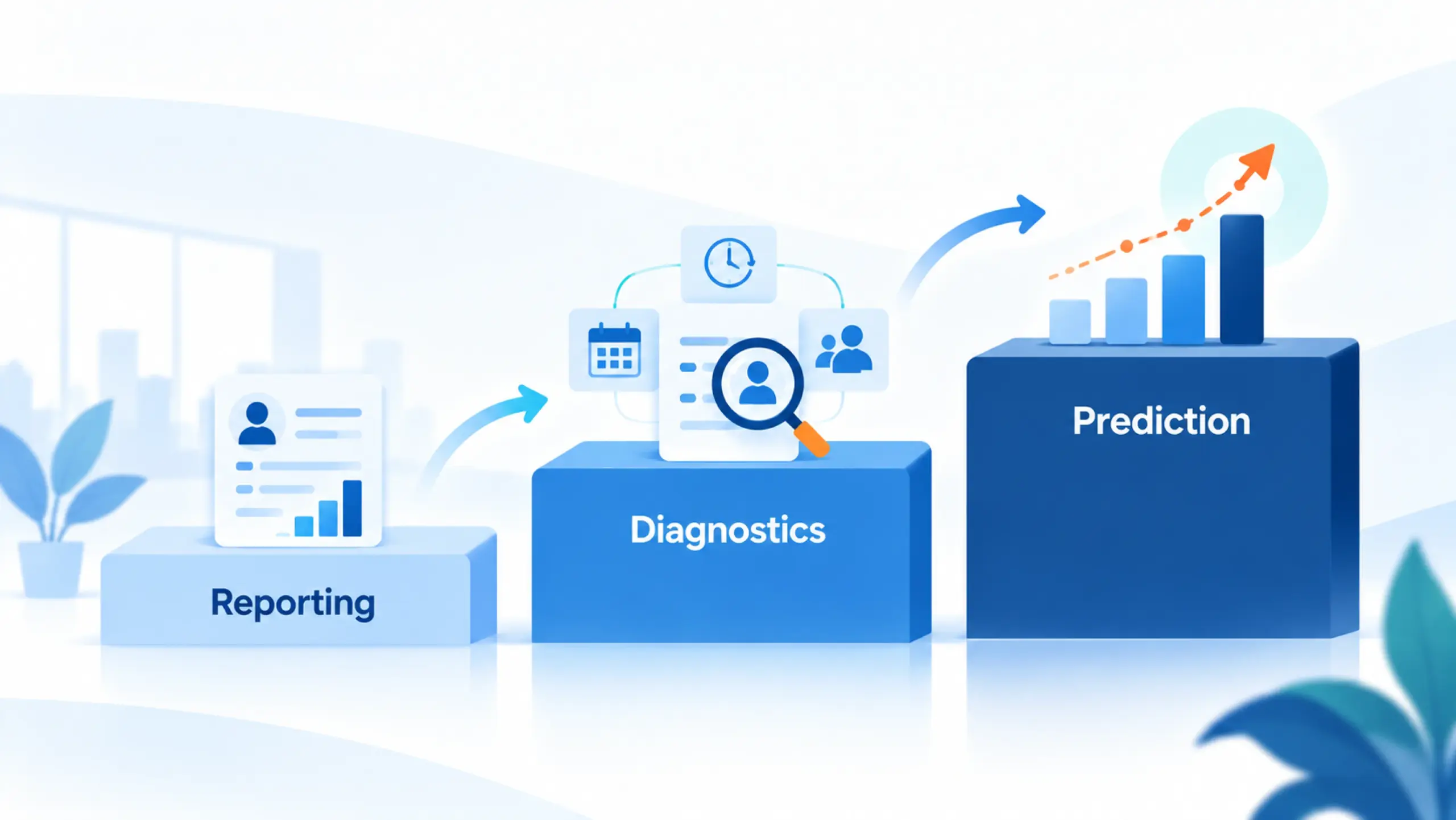
Most HR functions produce reports. Far fewer produce analysis. The distinction matters, and it maps onto three levels.
Level one: reporting
What happened. Headcount by department. Overtime cost last quarter. Attrition rate for the year. This is descriptive, backward-looking, and usually assembled by hand in a spreadsheet a fortnight after the period closed. It is necessary. It is not decision-grade.
Level two: diagnostics
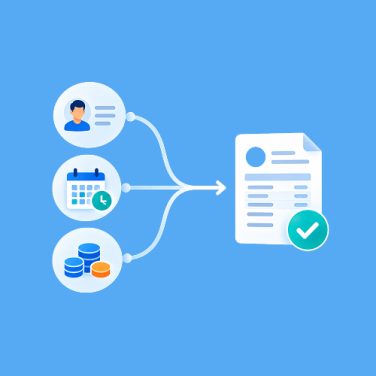
Why it happened. Attrition is 14%, but is it concentrated in one plant, one grade, one manager, one shift pattern? Overtime is up 20%, is that volume growth, or a staffing gap in a single business unit? Diagnostics require connecting datasets that usually sit apart: payroll to attendance, attendance to performance, performance to resignations.
Level three: prediction
What is likely to happen next. Which high performers show the pattern that preceded past resignations. Which teams are accumulating the overtime load that historically precedes absence and turnover. Which skills the workforce will be short of in 18 months. Prediction needs history, consistency, and models and it fails without the first two levels underneath it.
Most Malaysian enterprises sit firmly at level one. The move to level two is where the value is, and it is a shorter journey than most boards assume.
Five questions your existing data can already answer
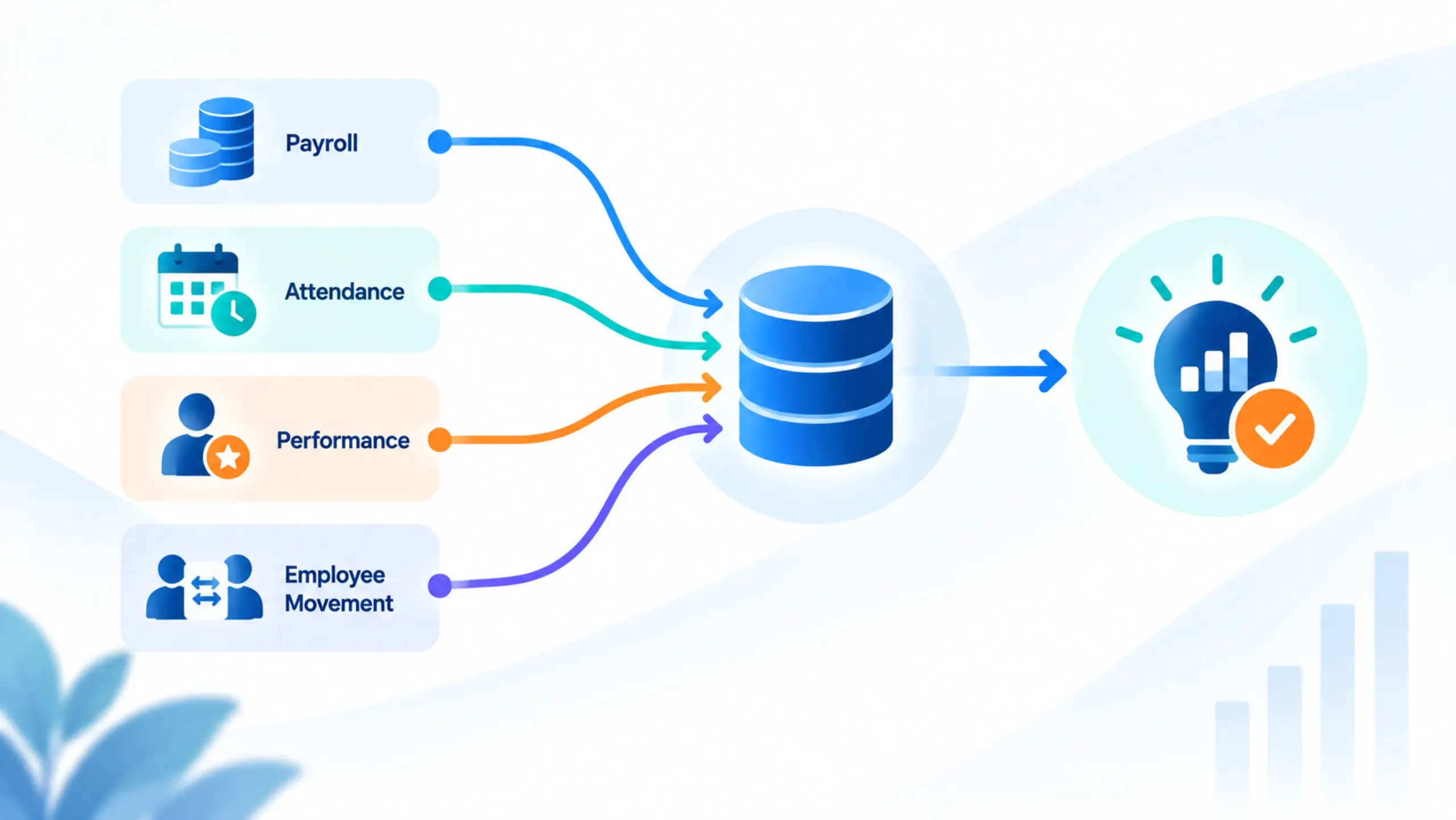
None of the following requires new systems or new data collection. Each requires the ability to join datasets that most organisations keep in separate files.
- Where is overtime actually concentrated? Group-level overtime cost tells you very little. Overtime by team, shift and month tells you whether you have a demand problem, a scheduling problem or a headcount problem — three issues with three different solutions and very different price tags.
- Is attrition among high performers different from the overall rate? A headline attrition figure averages your best people together with your worst. Splitting the rate by performance band frequently changes the conversation entirely — and changes where retention budget should go.
- Does absenteeism track with performance, and in which direction? The correlation is rarely uniform across an organisation. Where it is strong, it usually points at a specific manager, site or workload pattern rather than at individuals.
- What does each business unit really cost per head? Base pay is the visible number. Statutory contributions, levies, overtime, allowances and leave encashment are the rest of it. Fully loaded cost per head by unit is a finance conversation that starts in HR data.
- How does the workforce profile compare with the market? Internal gender ratios, tenure distribution and pay bands mean more when set against national labour-market data than when read in isolation.
Every one of these is answerable from records the organisation already holds. The obstacle is not availability. It is the fortnight of manual spreadsheet work standing between the question and the answer — a cost high enough that most leaders stop asking.
Governance comes first, not last
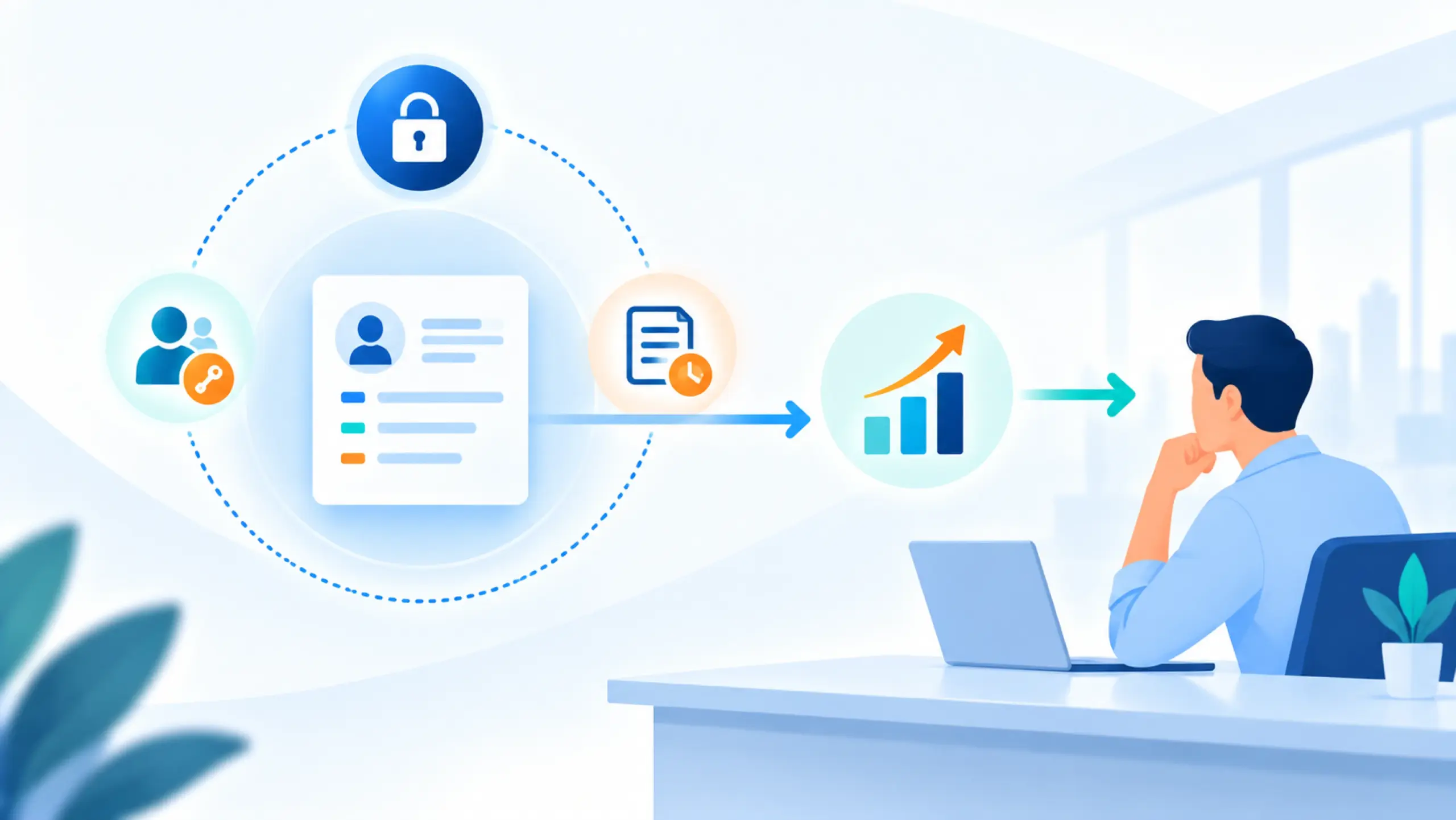
Employee data is personal data. Analysing it is processing it. In Malaysia, that now carries obligations with fixed deadlines.
The Personal Data Protection (Amendment) Act 2024 came into force in phases across 2025, with the headline obligations taking effect on 1 June 2025. Organisations meeting the prescribed threshold must appoint a Data Protection Officer and notify the Commissioner of the appointment.
Data controllers must notify the Personal Data Protection Commissioner of a personal data breach and must also notify affected individuals where the breach is likely to cause significant harm. Individuals gained a data portability right, subject to technical feasibility.
For a people analytics programme, that translates into four practical requirements.
- Know where the data sits. Including which jurisdiction it is processed in, and under what cross-border transfer basis.
- Control who sees what. Role-based access is not a nice-to-have on an analytics layer holding salary and performance records. A country head should not see another country’s individual pay data because a dashboard made it convenient.
- Keep an audit trail. If you cannot reconstruct who queried what, you cannot answer a regulator or an employee exercising their rights.
- Keep a human in the decision. Malaysia’s current framework does not carry a dedicated automated decision-making provision equivalent to the one in the European Union’s GDPR, and guidance in this area is still developing. That is not a reason to automate people decisions. Analytics should inform judgement, not replace accountability for it.
A governance test worth applying If an employee asked tomorrow what data you hold about them, who has looked at it, and what decisions it has informed, could you answer within a week? If not, fix that before adding models. |
What ‘at scale’ actually means in Malaysia
For a single-entity company with 200 people, people analytics is largely a tooling question. For a Malaysian group, it is an architecture question.
The typical enterprise here runs multiple legal entities, several payroll cycles, a mix of monthly-rated and daily-rated workers, plant and office populations with entirely different data shapes, and often operations across Singapore, Indonesia, Thailand or Vietnam with their own statutory regimes. Add the finance team’s ERP, a separate time-and-attendance system at each site, and a learning platform nobody has reconciled since implementation.
‘People analytics at scale’ — one of the six forces on the programme at the Malaysia HR Tech & Innovation Conference & Expo 2026 in Kuala Lumpur this week — is really shorthand for that problem. Scale is not about the number of employees. It is about the number of systems, entities and rule sets that have to resolve into one answer before a leader can act on it.
This means the hard part is rarely the analysis. It is the consolidation.
Building the layer: from records to reasoning
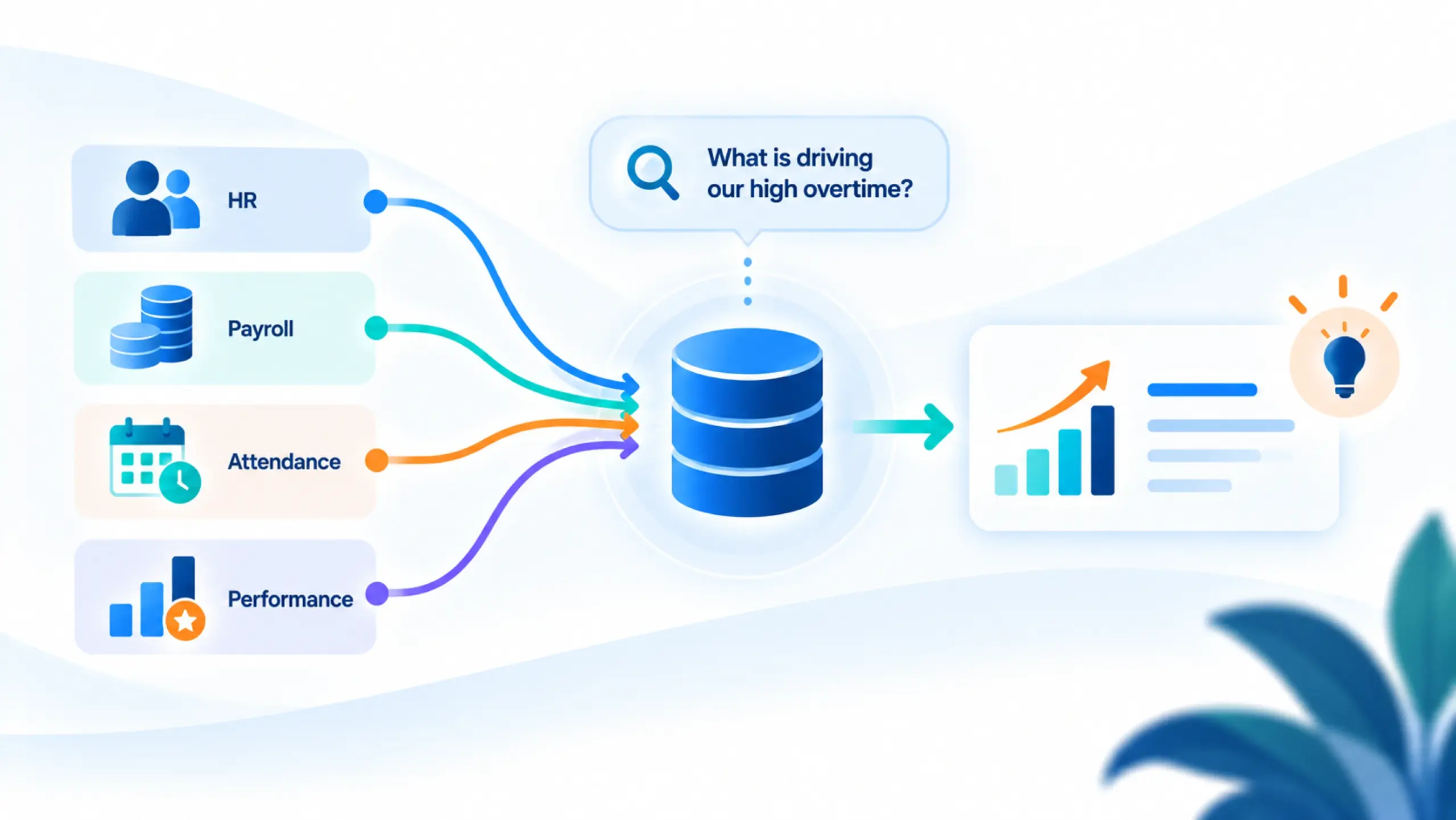
Three components turn a payroll system into a decision system.
A consolidated data layer
One place where workforce data from HR, payroll, attendance, performance and third-party systems resolves into a consistent structure. Without it, every question becomes a data-gathering project and the answers arrive too late to change anything.
A way to ask questions in plain language
MiHCM’s Syntra, an AI intelligence layer built on Microsoft Azure, is built for this. It takes a question in natural language and returns answers, charts, tables and dashboards, connecting to MiHCM and third-party systems by secure API. The questions it is designed for are the diagnostic ones: the correlation between absenteeism and performance across departments over two quarters; attrition among high performers against the overall rate; which teams recorded the most overtime and what that did to profitability. Findings export to PowerPoint, Excel or PDF, which matters more than it sounds — the gap between an insight and a board decision is often just formatting.
Specialist capability for the harder problems
Prediction, clustering and custom modelling are a different discipline from reporting. MiHCM Data & AI builds custom analytics and AI solutions on the Microsoft Azure ecosystem — including Microsoft Fabric for data platform engineering and Power BI for business intelligence — for organisations that need turnover prediction, workforce segmentation or consolidated data warehousing across entities.
That work sits on a verified foundation. MiHCM is a Microsoft Solutions Partner for Data and AI (Azure), a designation achieved in April 2025, and one earned through demonstrated technical capability rather than commercial arrangement.
The team holds Microsoft certifications spanning Azure AI Engineer, Azure Data Scientist, Data Analyst and Fabric Analytics Engineer. For a regulated enterprise — banking, financial services, manufacturing, or any group operating across borders — that distinction between a validated credential and a logo on a website is worth checking before you hand over your workforce data.
A realistic first 90 days
People analytics programmes fail more often from over-scoping than from under-investment. A sequence that works:
- Days 1–30: pick three questions. Not 30. Three questions whose answers would change a decision someone is going to make this quarter. Write down what you would do differently depending on the answer. If nothing changes, pick a different question.
- Days 1–30, in parallel: settle governance. Confirm your DPO position, breach notification process, access model and retention rules before data starts moving. Retrofitting governance onto a live analytics layer is expensive and occasionally public.
- Days 31–60: consolidate and clean. Join payroll, attendance and HR records into one structure. Expect to find duplicate employee records, inconsistent cost-centre codes and at least one site whose data was never migrated properly. This stage is unglamorous and it is where the programme is actually won.
- Days 61–90: answer the three questions and act on one. One visible decision traced back to workforce data does more for programme funding than any number of dashboards nobody opens.
The question behind the question
Boards are asking HR for numbers with more force than they used to, and they are asking for them faster. The instinct is to buy more dashboards.
The better move is narrower. Identify the decisions that are currently being made on instinct — where to add headcount, which retention risk to act on, whether a site’s overtime is structural or seasonal — and work backwards to the data that would settle them. Most of it is already in the payroll ledger, filed monthly, reconciled, and waiting.
The organisations that pull ahead over the next two years will not be the ones with the most workforce data. They will be the ones that can get an answer out of it before the decision has already been made.