Data is now the most valuable asset in an organization. In contrary to all misinterpreted ways of sourcing and selling consumer-driven data, utilizing HR analytics to make confident workforce decisions has been a profound Human Resources best practice for ages. As technology has grown exponentially, our strength to analyze workforce-related factors and amplify business outcomes has risen.
We’ve got back to our blog after many weeks. In this post, we will preview how can HR influence HR analytics to achieve organizational goals?
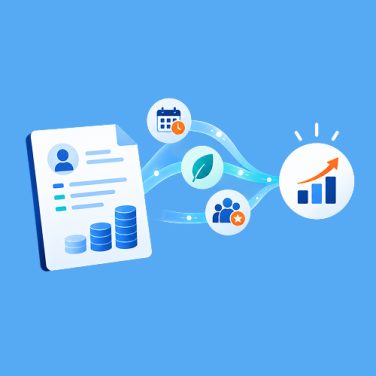
HR professionals can collect data points from a broad range of internal sources, including employee profiles, attendance and leave records, history of life cycle changes (transfers, promotions, resignations etc.), demographics, geographical locations, recruitment processes, and other metrics contained within Human Capital Management (HCM) solutions. Then, HR professionals analyze this data to interpret holistically how data points depict trends.
When applied prudently, the HR analytics encourages HR organizations to make data-driven decisions instead of depending on personal biases. Thanks to the infinity of advance technology, today’s HR leaders are equipped to replace reactive reporting, and adapt proactive prediction.
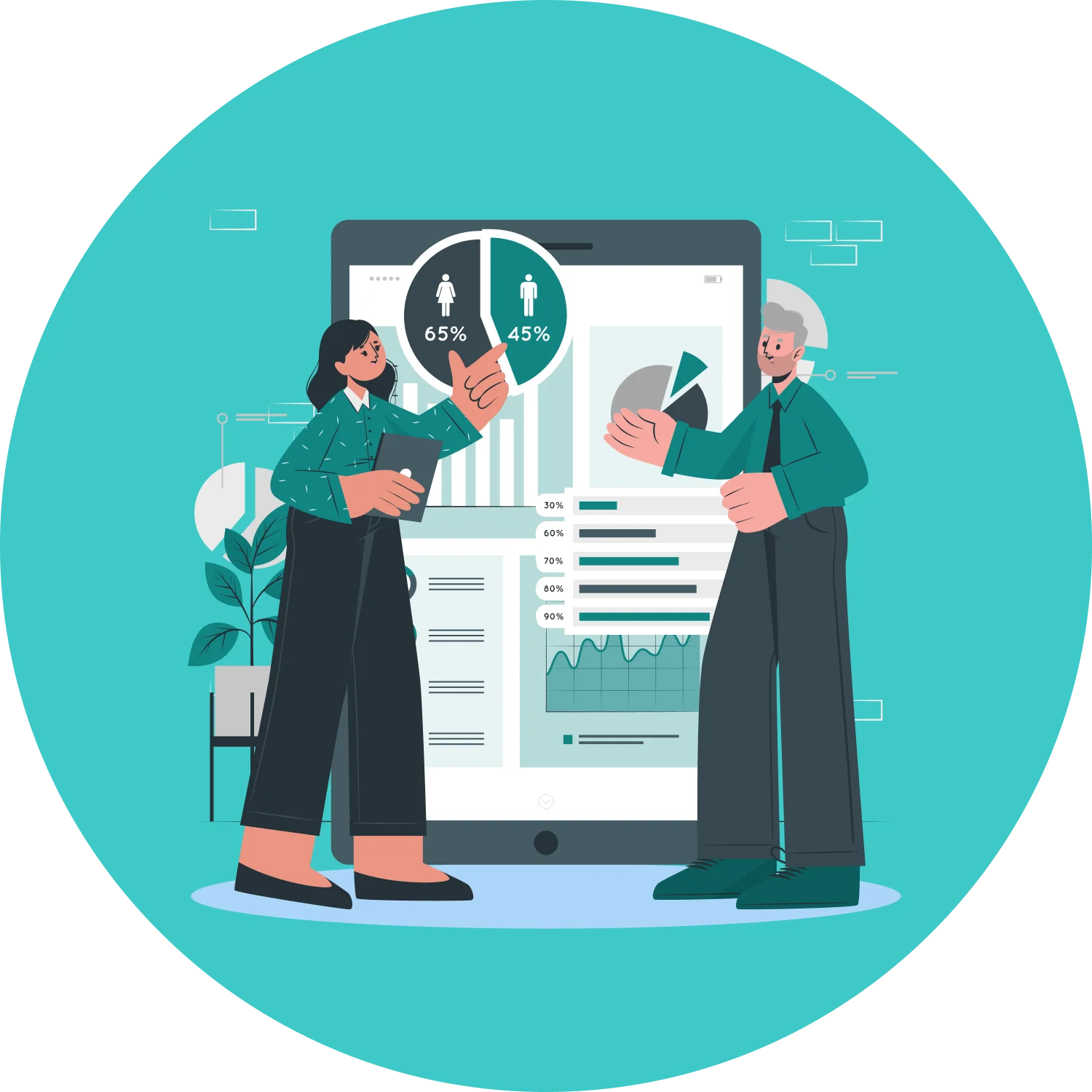
Let’s take a look at the powerful insights gleaned from the following metrics. These analytics are definitely helpful for your people decisions.
- Employee turnover
- Performance levels of employees in an year
- Employees’ attendance data in a global workforce
- Overtime analysis to find out the total overtime cost of a month/year
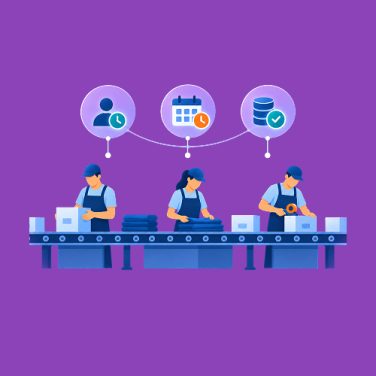
- Analytics to understand leave utilization and patterns
- Predictive analytics to cluster insights and predict future trends
All of these analytics are determined through data, but each is more actionable and supportive of people decision. Any organization with these metrics can identify prevailing employee turnover and understand possible turnover trends in the future. For an example, the year on year turnover will help HR realize whether these losses were favorable or disadvantageous to the organization. Additionally, HR and business leaders can decide on steps for positive developments potentially.
The capability to make data-driven conclusions and predictions is an absolute winner in HR, This is supported by advance HR platforms that diligently absorb data from various HR functions and present them in the form of real-time HR insights.
When applied intelligently, HR analytics can help you predict the potential of your employees. This will be the most powerful approach for HR to maximize their influence towards the strategic direction of the organization. Learn more about the power of HR analytics, and ways to harness those for the best tangible benefits with MiHCM.