
By Rachadapon Prasomsub
Thailand stands at a defining moment. The Thailand 4.0 agenda is no longer a policy ambition on paper. It is reshaping how enterprises invest, how factories operate, how services scale, and how talent is attracted, developed, and retained.
The country is moving from an economy built on industrial scale to one built on innovation, automation, and digital value. That shift cannot be delivered by technology alone. It will be delivered by people, supported by intelligent systems, governed by data.
This is where HR moves from a back-office function to a national productivity lever.
Thailand 4.0 demands a new kind of workforce
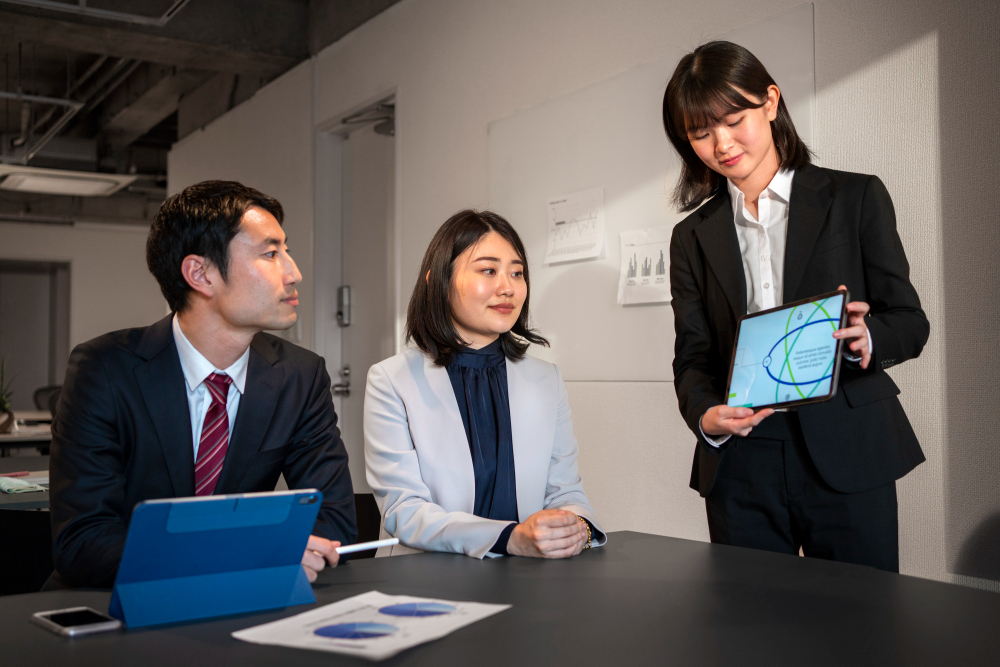
The Thailand 4.0 strategy is anchored in advanced manufacturing, digital services, and high-value industries. It assumes a workforce that is digitally capable, mobile, and aligned to enterprise performance.
The reality on the ground is more complex. Many organisations still operate with workforce structures designed for a previous economic era. Manual processes persist. Workforce data sits in silos. Skills planning is reactive rather than strategic.
If Thailand is to compete with regional peers on innovation and productivity, enterprises must rethink how they manage people. Workforce transformation is not a supporting initiative. It is central to national competitiveness.
Productivity transformation begins with workforce visibility
Productivity in a modern economy is not measured by headcount. It is measured by output, efficiency, and adaptability.
Yet for many Thai enterprises, the basic question of how the workforce is performing in real time remains unanswered. Attendance is tracked but rarely analysed. Overtime is approved but rarely optimised. Skills are recorded but rarely activated.
This is the productivity gap Thailand must close.
A future-ready HR platform turns workforce activity into workforce intelligence. Leaders can see where capacity is constrained, where overtime is recurring, and where skills are under-utilised. Decisions shift from intuition to evidence. Planning shifts from quarterly review to continuous alignment.
When workforce data is structured, productivity becomes measurable. When it is measurable, it becomes manageable.
AI and automation are entering the Thai enterprise

Automation is no longer confined to manufacturing floors. It is moving into finance, operations, customer service, and HR itself. Thai enterprises across industries are piloting intelligent systems that handle routine tasks, surface insights, and support faster decisions.
For HR, the implications are significant.
Intelligent automation can streamline approvals, accelerate onboarding, and reduce administrative load. Workforce analytics can highlight attrition risk before it crystallises. AI-enabled insights can help leaders model staffing scenarios, simulate cost impact, and align workforce capacity with business demand.
The goal is not to replace HR judgement. The goal is to elevate it. Routine work moves to systems. Strategic work moves to people.
Organisations that invest in AI-enabled HR today will set the productivity benchmark for the decade ahead.
The talent shortage is real, and structural
Across technology, advanced manufacturing, engineering, and digital services, Thailand faces a widening skills gap. The demand for capability is outpacing the supply of qualified talent.
This is not a temporary cycle. It is a structural shift driven by digital transformation, demographic change, and regional competition for skilled workers.
Enterprises cannot solve this through recruitment alone. The response must be broader. Workforce planning must become forward-looking. Internal mobility must become deliberate. Learning must be embedded in daily operations rather than treated as an annual event.
A connected HR platform makes this possible. Skills can be mapped. Career pathways can be visualised. Development can be tracked against business priorities. The organisation moves from filling vacancies to building capability.
In a constrained talent market, the enterprises that win will be those that develop talent faster than they lose it.
Distributed work is now part of the Thai economy
Distributed work is no longer a temporary arrangement. It is part of how modern Thai enterprises operate, particularly in technology, professional services, regional sales, and multi-site operations.
Managing a distributed workforce requires more than digital tools. It requires governance. Approvals must be consistent across locations. Attendance must be verifiable across teams. Performance must be visible without micro-management.
When HR, attendance, and payroll operate within a single connected platform, distributed work becomes operationally sound. Leaders gain visibility without intrusion. Employees gain flexibility without ambiguity. The business gains agility without losing control.
Enterprise HR analytics: the new boardroom conversation
For decades, HR reported on activity. Headcount. Turnover. Training hours.
Thailand 4.0 demands a different conversation. Boards are asking about workforce cost trajectory, productivity per function, capability readiness for new markets, and risk concentration in critical roles.
These questions cannot be answered by static reports. They require live, integrated workforce analytics built on accurate operational data.
Enterprise HR analytics is no longer a specialist capability. It is a leadership requirement. Organisations that treat workforce data as a strategic asset will make sharper decisions, allocate capital more effectively, and respond to change with greater speed.
Built for Thailand. Ready for what is next.
MiHCM is already supporting organisations across Thailand as they prepare for the next phase of growth. The platform brings HR automation, workforce management, payroll, and analytics into one connected environment, designed for Thai operational realities and aligned to the direction of Thailand 4.0.
The organisations adopting this approach are not chasing technology trends. They are building the operational foundation for sustained productivity, controlled cost, and confident growth.
The future of work in Thailand

The future of work in Thailand will be digital, distributed, and data-driven. That much is clear.
What is less obvious, and more important, is that the enterprises shaping that future will not be the ones with the most technology. They will be the ones with the strongest workforce foundations.
Structured HR. Disciplined workforce management. Accurate, accessible data. Capability planning that looks years ahead, not weeks behind.
At MiHCM Thailand, we are partnering with organisations to build exactly that. From productivity transformation to AI-enabled HR, from skills planning to distributed workforce governance, we are helping Thai enterprises move forward with clarity and confidence.
Smarter HR. Stronger workforce. A future-ready Thailand.
iOperation Co.,Ltd
บ. ไอโอเปอร์เรชั่น จำกัด
iOperation Co. Ltd
[Rachadapon Prasomsub is a highly accomplished business leader with extensive experience in executive management, information technology, operations, and digital transformation. She currently serves as Managing Director of iOperation Co., Ltd in Bangkok, Thailand, a position she has held since September 2018. In this role, she leads the organisation as an Authorised Channel Partner of MiHCM Cloud, driving business strategy, overseeing operational functions, and delivering HR digital transformation solutions that help organisations modernise their human resource practices. Her responsibilities include developing and implementing strategic business plans, supervising key corporate functions such as marketing, finance, and IT, and managing relationships with partners, clients, and vendors. She is also committed to ensuring excellent local service and customer support for organizations in Thailand. Her academic credentials reflect a strong foundation in both business and technology. She holds a Master’s Degree in Business Systems (Information Technology) from Monash University. She also earned a Master of Business Administration (MBA) from the Sasin Graduate Institute of Business Administration. In addition, she obtained a Bachelor of Applied Science from Kasetsart University, graduating with Second Class Honors.]