

Tác giả: Anwar Parves
Headcount management is a complex challenge in the manufacturing sector, especially in industries such as Ready-Made Garments (RMG), factories and industrial areas.
Traditionally, businesses have assumed that adding to the headcount would increase production. This may have been true in the past, but it’s increasingly apparent that the key to future growth for manufacturers is not simply to increase the number of employees, but to concentrate on productivity, or the effective use of the existing workforce, machines and resources.
At MiHCM Bangladesh, we are dedicated to helping manufacturers and industrial companies move away from headcount-based growth to a focus on productivity, workforce planning and leveraging AI-based insights.
In this article, we’ll discuss the transition from headcount to productivity, why this matters to manufacturers, and how digital HR platforms can assist in improving workforce productivity and eliminating waste.
Measuring output, not headcount
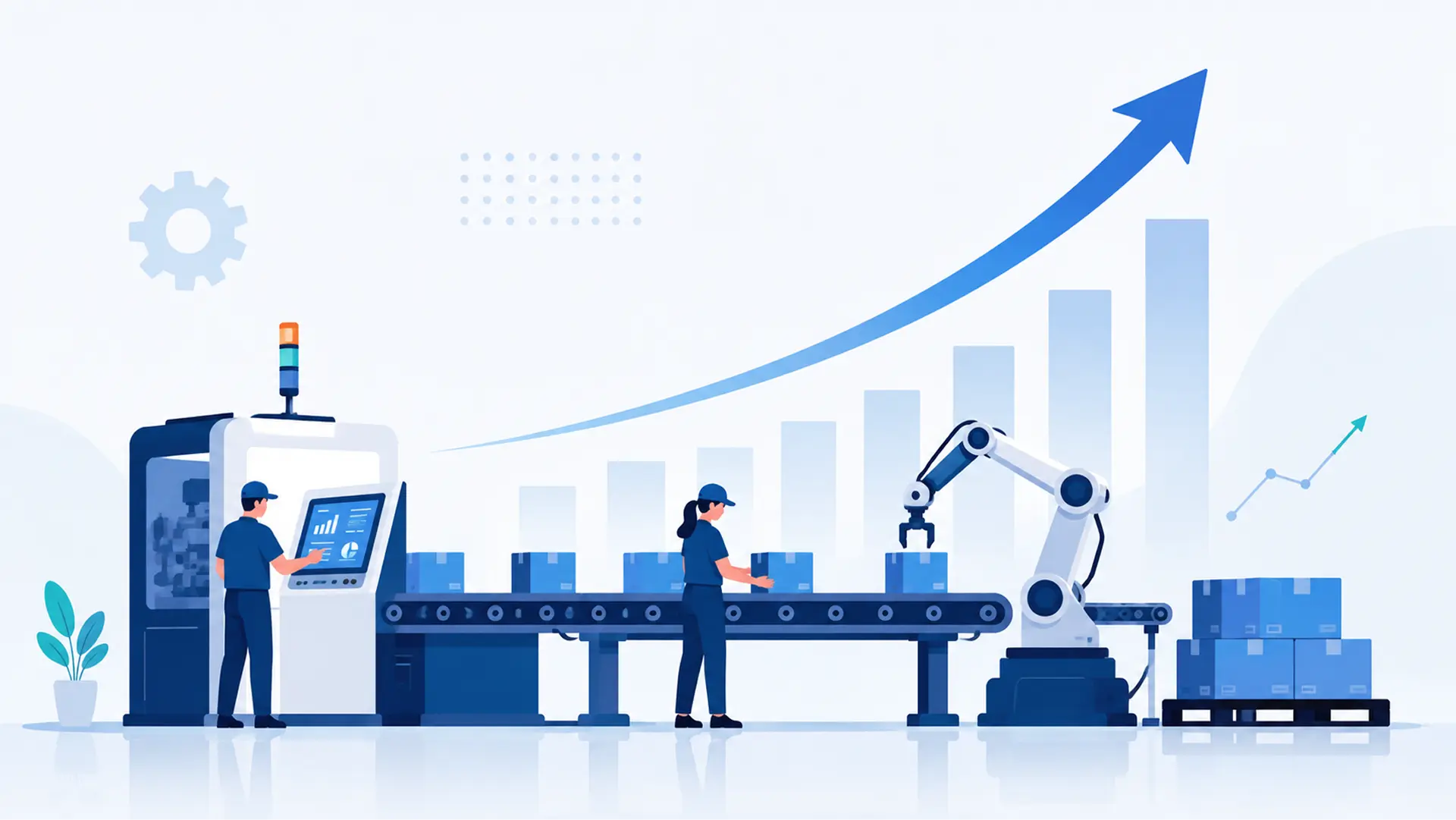
Traditionally, an increase in manufacturing output was achieved by adding headcount. The reason being, more people means more output. But with an industry in transition and more competition, it’s becoming apparent that growing headcount isn’t the way to generate growth. Rather, the emphasis should be on output – how well the workforce and assets are being utilised.
By focusing on output instead of headcount, businesses can understand exactly how efficient they are. This enables:
Improved resource allocation: Redistributing resources (human or machines) that are not being fully utilised.
Improved production scheduling: Calculating the value of production per person, per shift, and per machine, to identify possible bottlenecks.
Cost control: Getting the most return on every employee and resource.
Manufacturers should not be looking at the number of employees working, but the output and cost per employee. This gives a better indication of the company’s productivity and helps to optimise operations.
Workforce planning: matching skills to demand
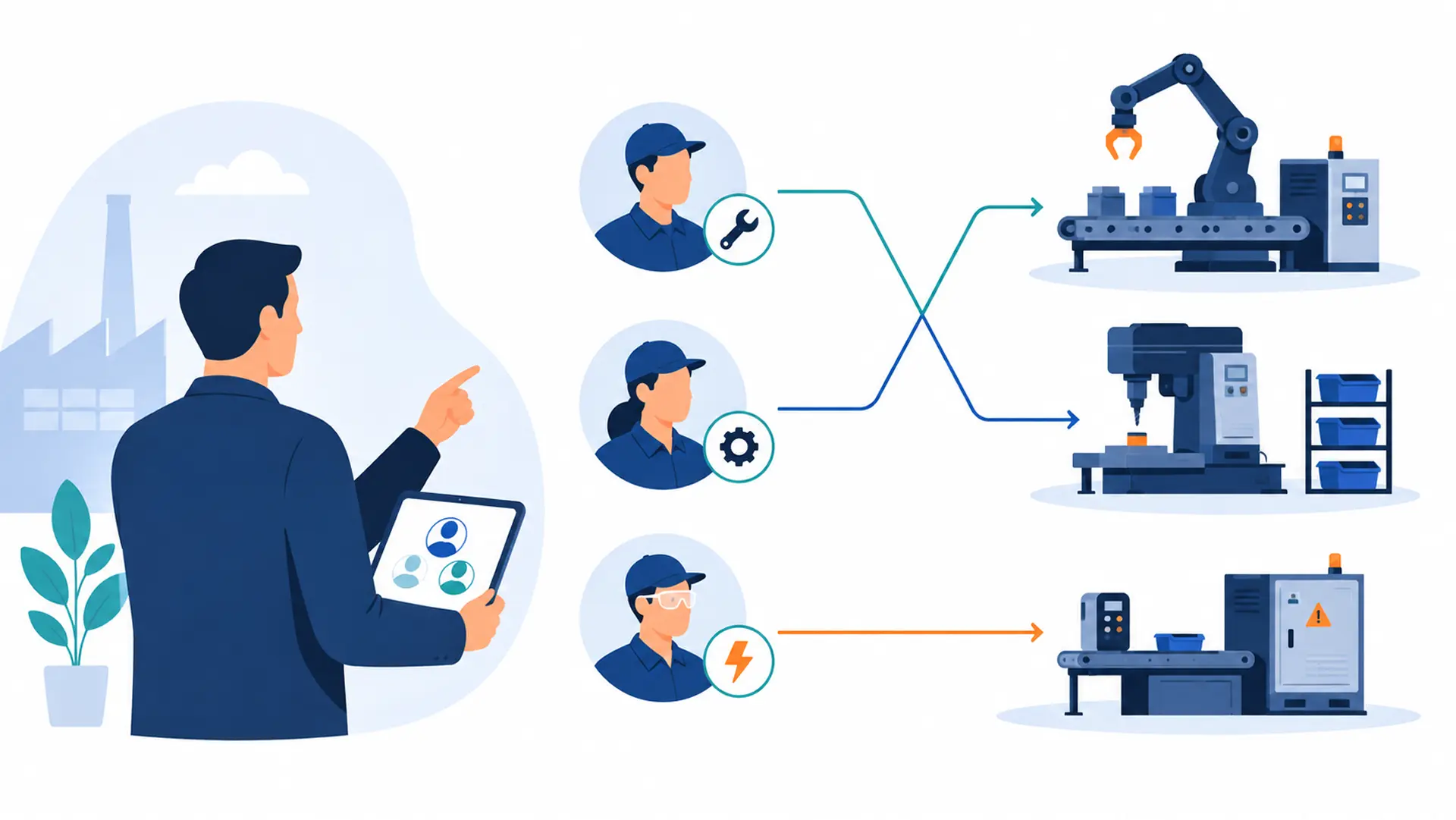
Workforce planning is an essential element in productivity. Rather than adding more employees to support increased production, manufacturers should consider their existing workforce and how to best allocate labour to particular production requirements.
Workforce planning involves:
Skill mapping: Assessing the current skill level of workers and how it matches the needs of the business.
Demand forecasting: Anticipating future production requirements based on industry trends and forecasts. This enables manufacturers to plan the workforce according to the expected demand.
Flexible workforce models: Employing flexible working arrangements and shift scheduling, manufacturers can more effectively manage their workforce to meet demand during peak periods without the need to continually recruit new employees.
Through workforce planning, manufacturers can save money, boost productivity and ensure workers are placed where they can make the most difference in production.
Reducing idle time on the factory floor
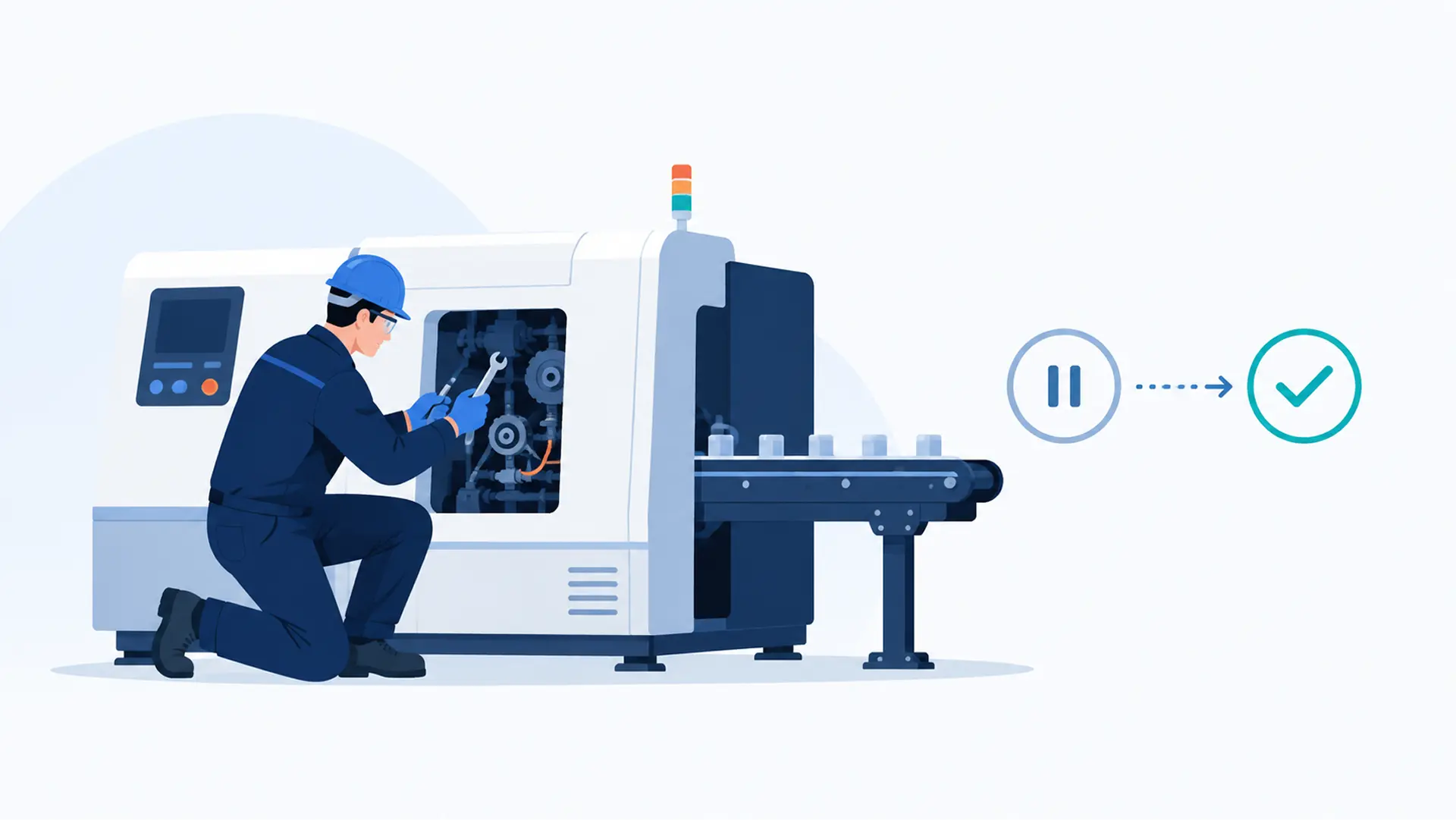
Idle time (when workers or machines are not actively producing goods) is a major source of manufacturing inefficiency. It could be a result of equipment failures, material shortages or even changeovers between shifts, but idle time lowers productivity and raises costs.
Manufacturers can minimise idle time by:
Use predictive maintenance: AI-based technologies can track machinery and predict when it is likely to fail, enabling pre-emptive maintenance and reducing unexpected downtime.
Improve shift handoffs: Scheduling shifts and shift handoffs efficiently can eliminate idling time between shifts and keep the assembly line flowing.
Reduce wait times: Companies can reduce wait times for workers by better coordinating their supply chain and ensuring that materials are ready to go when needed, increasing productivity during working hours.
This can help manufacturers increase their productivity and cut costs.
AI-driven insights for productivity management
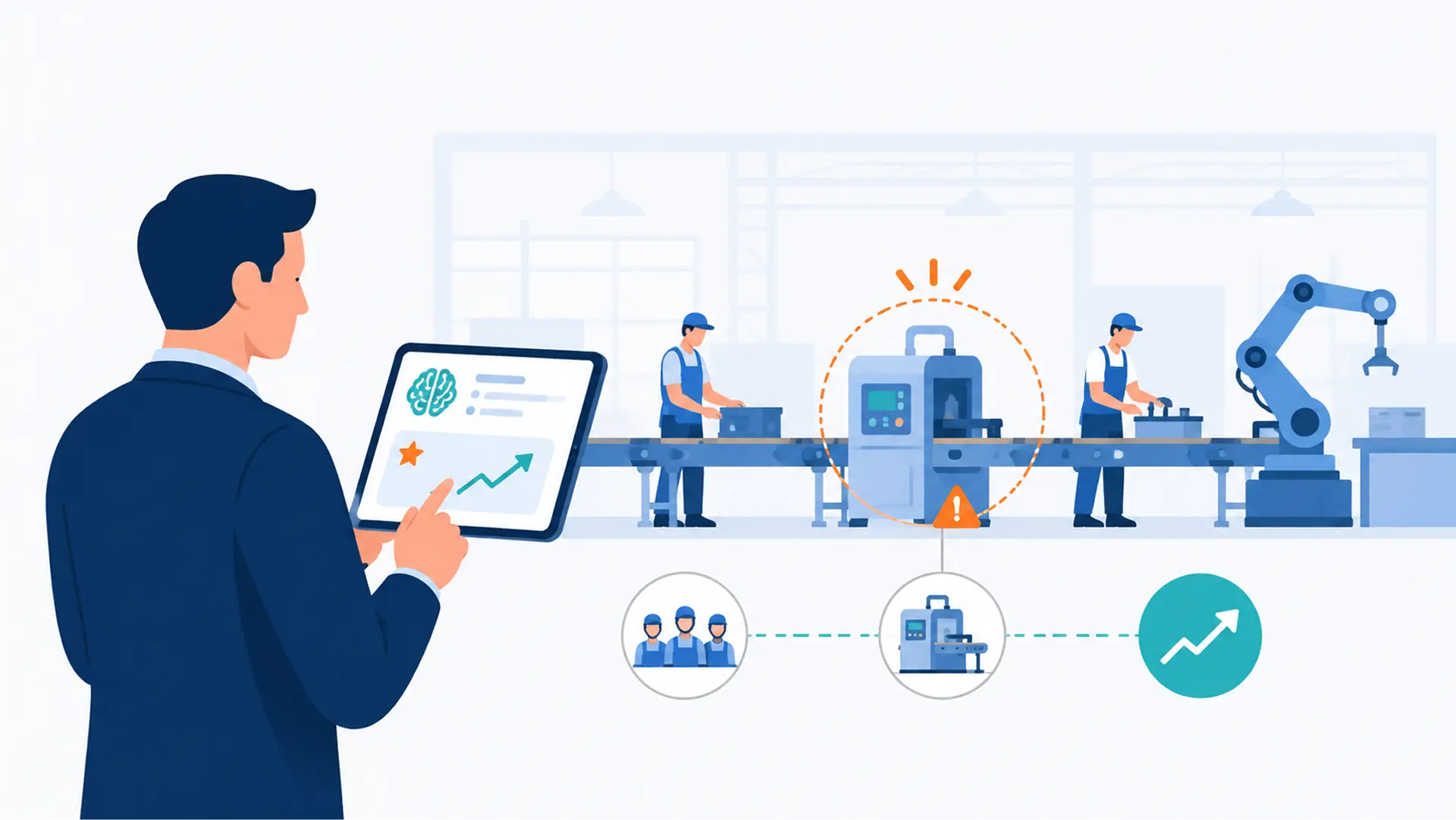
Another valuable resource for manufacturers is artificial intelligence (AI). AI is not only used to automate routine tasks, but it can also offer insights to enhance decision making throughout the manufacturing process.
AI insights can be used to:
Predictive Maintenance: AI can use past data to predict future manufacturing requirements, detect potential problems and recommend improvements.
Human Resource Optimisation: AI can offer insights into workforce productivity, identify skill deficiencies and recommend training or redistribution of resources to boost productivity. It can also suggest changes to shift times or resource allocations in real-time.
Operational Efficiency: AI systems can monitor production lines in real-time to identify bottlenecks and inefficiencies in the process. This enables manufacturers to make real-time adjustments to improve their processes.
Supply Chain Management: AI can be used to forecast demand and manage inventory, preventing overstocking and understocking, ensuring the production process is not interrupted by a lack of resources.
Such AI-powered insights are crucial for manufacturers looking to boost productivity without expanding their headcount. Through better decision-making based on real-time insights, manufacturers can improve their efficiency, resource planning and waste reduction.
Conclusion: growth through productivity
In the current competitive environment, the key to future growth in manufacturing is not adding more people but increasing productivity. Through productivity measurement, workforce planning, minimising downtime and AI-powered predictive insights, manufacturers can drive growth and efficiency without needing to continually expand their workforce.
At MiHCM Bangladesh, we provide cutting-edge digital HR services to support this transition towards productivity-focused growth. Our digital HR solutions, powered by artificial intelligence, help companies plan workforce needs, eliminate wastes and provide instant insights into manufacturing operations.
A shift towards productivity-driven growth rather than headcount-oriented growth will help manufacturers maximise their workforce potential, cut costs, and maintain sustainable growth in the face of global competition.
To thrive in the ever-changing manufacturing landscape in Bangladesh, businesses need to be more strategic about how they manage their workforce. By leveraging digital HR platforms that focus on productivity, not headcount, manufacturers can thrive in the future.

Anwar Parves
Country Manager for MiHCM Bangladesh
(Anwar Parves is the Country Manager at MiHCM Bangladesh, overseeing operations and client relationships. With a focus on strategic direction and project implementation, he drives growth and ensures successful delivery of HR solutions. Known for his leadership and industry expertise, Anwar excels in optimising processes and building strong client partnerships.)