

By Pubudini Abeyesekera
Having explored the need to build a digitally competitive workforce in Sri Lanka, strengthen HR compliance, and protect employee data in an increasingly regulated digital environment previously, themes come together very clearly in one of Sri Lanka’s most governance-heavy industries: banking and financial services.
Banks, finance companies, and financial institutions operate in environments where trust, accuracy, controls and accountability are non-negotiable. While much of the conversation around digital transformation in banking focuses on customer channels, mobile banking, cybersecurity and operational efficiency, there is another critical area that deserves equal attention, which is digital HR.
For the banking and financial sector, HR is not simply a people function. It is a governance function. It directly impacts payroll accuracy, regulatory readiness, workforce productivity, employee conduct, performance management and leadership continuity.
As Sri Lanka’s financial sector continues to modernise, digital HR should become part of the sector’s enterprise governance agenda.
Governance-heavy HR requires stronger systems
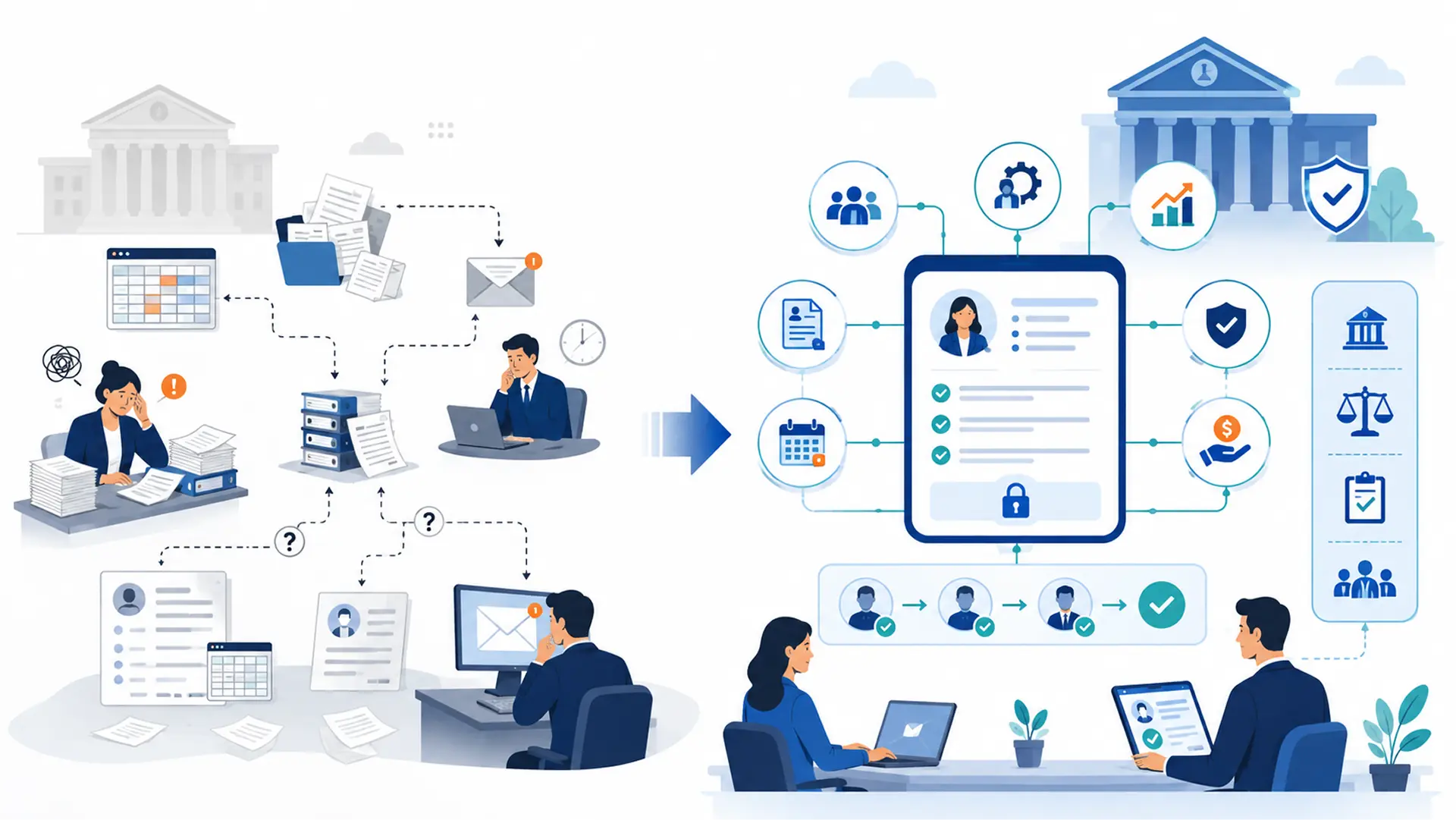
The banking and financial sector operates under intense scrutiny. Institutions are expected to demonstrate strong internal controls, clear accountability, proper documentation, ethical conduct and disciplined risk management.
This standard must extend into HR.
Every HR decision, from recruitment and onboarding to promotions, compensation, transfers, disciplinary actions and exits must be transparent, consistent and well documented. In a regulated industry, informal processes and fragmented records create unnecessary risk.
Many organisations still rely on a mix of spreadsheets, emails, paper files, manual approvals, and disconnected systems. This may work in a smaller or less regulated environment, but it becomes increasingly difficult to justify in the banking and finance sector, where auditability and control are expected and essential.
Digital HR platforms help create structure by ensuring that employee data, workflows, approvals, and policy applications are captured in a consistent and traceable manner. This allows HR teams to move beyond administration and contribute directly to governance maturity.
For financial institutions, the question is no longer whether HR should be digitised. The more important question is whether HR processes are controlled, auditable and ready for scrutiny.
Audit trails are no longer optional
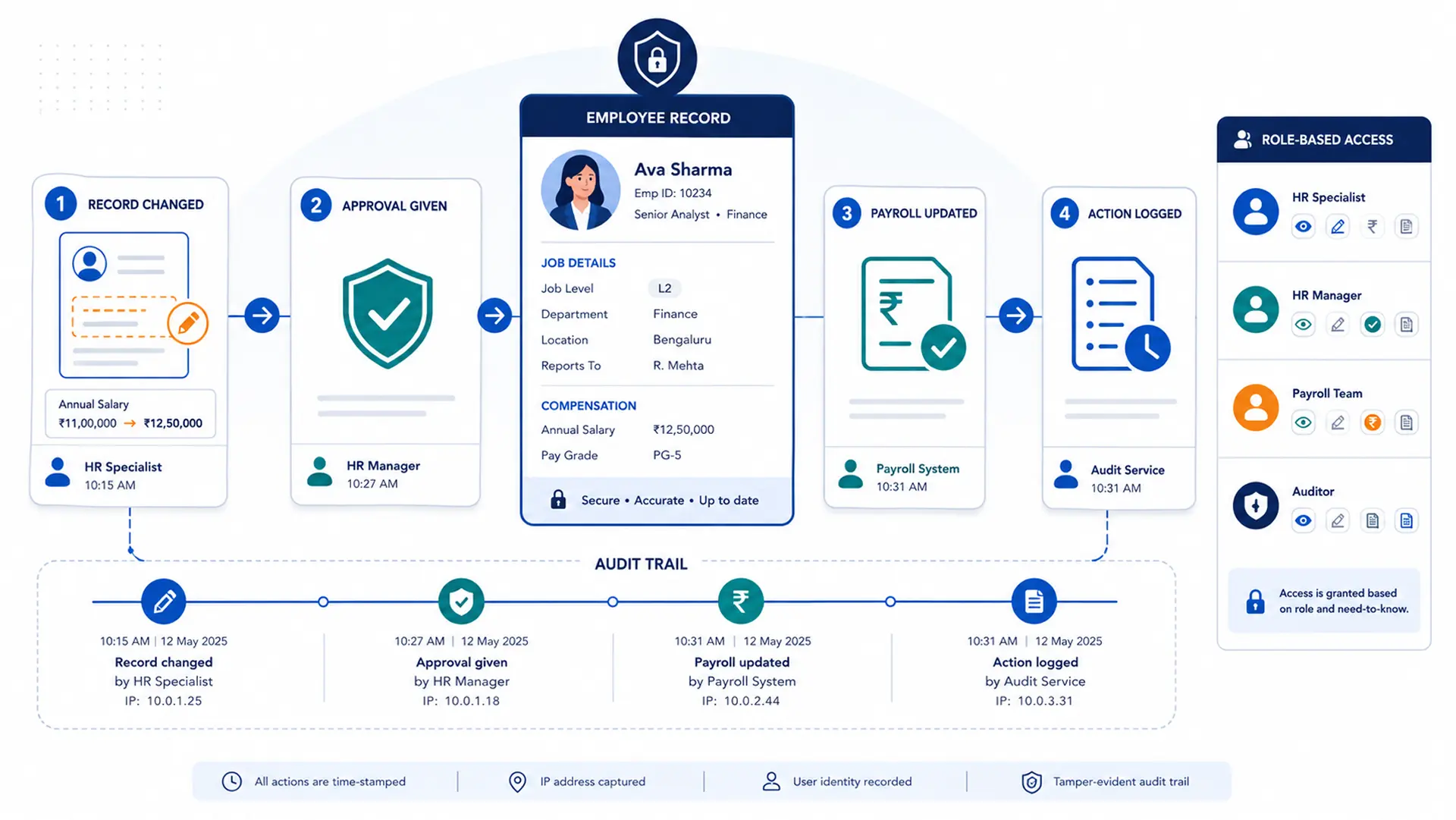
Audit trails are a critical requirement in governance heavy environments.
In HR, audit trails help organisations track who changed employee records, who approved salary changes, who authorised leave, who processed payroll adjustments, and when key decisions were made.
This matters because HR data is closely linked to financial outcomes and compliance obligations. A change in employee grade, salary, allowance, tax status, bank details, attendance records, or termination date can have a direct impact on payroll, statutory contributions, and internal reporting.
Without proper audit trails, organisations may struggle to explain decisions, identify errors, investigate discrepancies, or satisfy internal and external audit requirements.
In banking and finance, where confidence depends on strong controls, this is a significant risk.
A modern digital HR system should allow institutions to maintain role-based access, approval workflows, version histories, and secure records across the employee lifecycle. These controls are not merely technical features. They are governance enablers.
Payroll accuracy is a trust issue
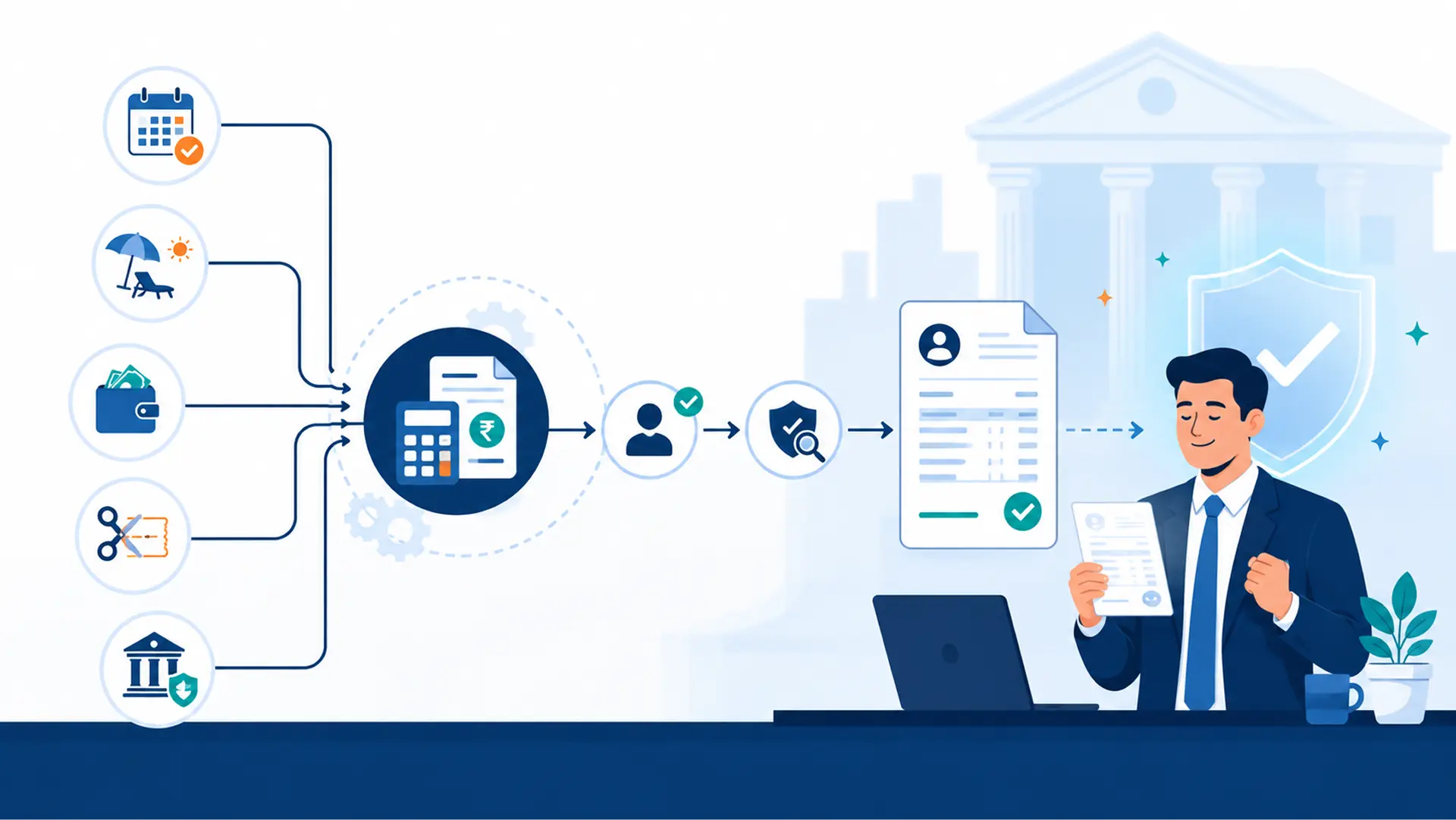
Payroll accuracy is one of the most important measures of operational discipline in any organisation. In the banking and financial sector, it carries even greater weight.
Financial institutions manage diverse employee categories, incentive structures, allowances, benefits, bonuses, overtime, tax deductions, statutory contributions, and final settlements. Even a small payroll error can create employee dissatisfaction, compliance gaps, and reputational concerns.
Payroll also intersects with employee trust. When employees work in an industry built on financial accuracy, they expect their own compensation, deductions, and benefits to be handled with the same level of discipline.
This is why payroll cannot depend heavily on manual interventions or isolated calculations. It must be integrated with attendance, leave, performance, benefits, tax, and statutory processes.
For Sri Lankan financial institutions, payroll accuracy is not only an HR responsibility. It is a governance priority that requires system-level controls, maker-checker approvals, audit trails, and accurate reporting.
Digital payroll solutions help reduce risk by standardising calculations, improving transparency, supporting approvals, and enabling accurate statutory reporting. They also give leadership better visibility into workforce cost, productivity, and headcount trends.
Moving towards performance-driven talent models
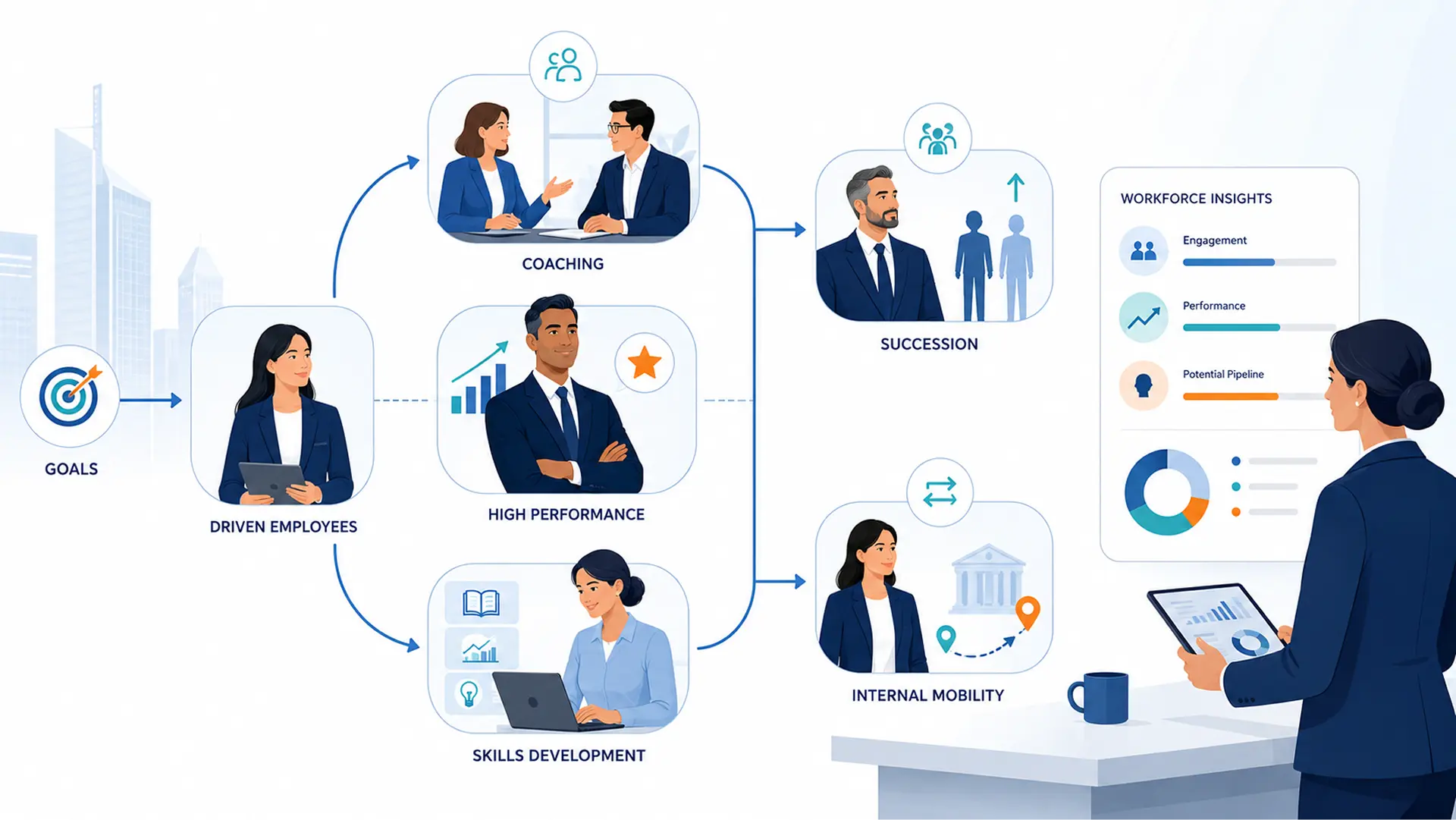
The financial sector is changing rapidly. Digital banking, automation, analytics, AI, customer experience expectations, cybersecurity, and regulatory complexity are reshaping the skills required within banks and financial institutions.
This means traditional performance models are no longer enough.
Financial institutions need talent frameworks that are more agile, data-driven, and aligned to business outcomes. Performance management must move beyond annual reviews and become a continuous process of goal setting, coaching, feedback, skills development, and succession planning.
In a competitive talent market, especially for digital, analytics, risk, compliance, and technology roles, financial institutions must be able to identify high performers, develop future leaders, and retain critical talent.
Digital HR enables this shift by giving leaders access to clearer workforce insights. It helps organisations understand capability gaps, performance trends, learning needs, retention risks, and internal mobility opportunities.
For banks and financial institutions, this is particularly important because talent quality directly affects risk management, customer service, innovation, and long-term competitiveness.
A performance driven talent model should answer key questions:
- Do we have the right skills for the future?
- Are our high performers being recognised and developed?
- Are critical roles backed by succession plans?
- Are managers having meaningful performance conversations?
- Are learning investments linked to business priorities?
These questions cannot be answered effectively without reliable HR data.
Digital HR as an enterprise-ready foundation
We see a clear shift in how financial institutions evaluate HR technology.
The conversation is no longer only about automation. It is about enterprise readiness.
Banks and financial institutions need HR platforms that support security, configurability, workflow discipline, compliance, auditability, payroll accuracy, and scalable performance management.
Enterprise ready HR software must help organisations strengthen governance while improving employee experience. It must support both control and agility. It must give HR teams the ability to operate with accuracy, while giving leaders the insights needed to make better workforce decisions.
This is especially important in Sri Lanka, where financial institutions are balancing regulatory expectations, digital transformation, talent competition, and operational efficiency.
The future of digital HR in banking and finance will not be defined by technology alone. It will be defined by how well technology supports trust, governance, and performance.
Looking ahead
Sri Lanka’s banking and financial sector has a critical role to play in the country’s economic stability and growth. To remain competitive, institutions must invest not only in customer facing innovation, but also in the systems that strengthen their internal workforce foundations.
Digital HR is one of those foundations.
When HR processes are manual, fragmented, or difficult to audit, organisations carry unnecessary risk. When HR is digitised with the right governance controls, institutions gain accuracy, transparency, accountability, and better workforce intelligence.
For the banking and financial sector, digital HR is no longer a support function. It is a strategic enabler of governance, trust, and performance.
As the sector moves forward, the institutions that lead will be those that treat HR transformation as part of enterprise transformation.

ปุพุดินี อะเบเยเซเกรา
CEO – Sri Lanka & Maldives at MiHCM
(MiHCM CEO – Sri Lanka and Maldives Pubudini Abeyesekera has over 20 years of experience in Business Development, Business Operations and Client Relationship Management within various industries of Tech, Start-ups, Education, Real Estate, Airlines, Banking, and Hospitality. She leads with a hands-on approach backed with empathy and thrives on identifying talent, nurturing individuals, and building high-performing teams.)