
Conversational AI: The key to a more engaged and empowered workforce

Conversational AI for employees refers to chat interfaces, virtual assistants, and agentic assistants that access HRIS records and policy documents to answer questions and take authorised actions. In practical terms this includes in-app chat, Teams/Slack bots and mobile assistants that return payslips, confirm leave balances or start approval workflows. What we mean by ‘conversational’ vs […]
นี่คือวิธีที่บริการผู้ช่วยเสมือนสำหรับพนักงานสามารถเสริมศักยภาพให้กับธุรกิจขนาดกลางและขนาดย่อม

A virtual employee assistant is an employee-grade assistant embedded in an HR system, not a one-off contractor. For SMEs this means the assistant arrives with access to payslips, approval workflows and audit trails so data stays consistent across HR and payroll. The phrase ‘virtual employee assistant’ appears here because the assistant acts as a persistent […]
วิธีเลือกผู้ช่วย HR เสมือนจริง (คู่มือสำหรับผู้ซื้อ)

The phrase ‘virtual HR assistant’ covers a spectrum: from conversational AI agents that answer employee queries to staffed virtual HR assistants delivering administrative support. Buyers must distinguish platform capabilities (integrations, workflows, audit logs) from staffing models (offshore human VAs vs onprem or cloud AI assistants). Who should read this guide? This guide targets HR directors, […]
ผู้ช่วย AI ส่วนบุคคลสำหรับพนักงาน: คำจำกัดความ, กรณีการใช้งาน และรายการตรวจสอบการทดลองใช้

A personal AI assistant for employees is a conversational, employee-facing system that answers work-related queries and initiates routine HR and workflow actions. The term covers a spectrum: from simple rule-based chatbots to advanced conversational assistants and agentic assistants that can act on the user’s behalf. Chatbot vs conversational assistant vs agentic assistant Chatbot: rules or […]
เมื่อผู้คนมาเป็นอันดับแรก: บทเรียนในการเป็นผู้นำด้านทรัพยากรบุคคลจากมันจูลา กูลาธุงกา

In times of disruption, leadership is tested not by strategy alone, but by empathy, clarity, and action. In this edition of MiHCM Leadership Lens, we speak with Aqua Dynamics Ltd. Chief Human Resources Officer (CHRO) Manjula Kulathunga, a seasoned HR leader with over two decades of experience across diverse industries, about what it truly means […]
คู่มือการวิเคราะห์และประเมินช่องว่างทักษะ
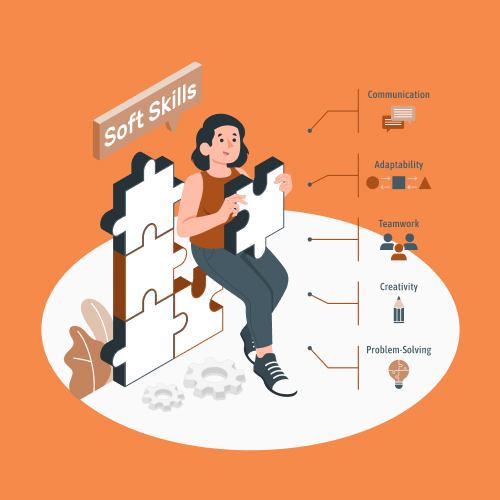
Skill gap analysis is the structured comparison between the skills required to meet current and future business needs and the skills employees actually offer. According to a 2019 Brookings Institution article, this is commonly framed as a mismatch or discrepancy between job requirements and worker capabilities. OECD analysis (2024) similarly treats the gap as the […]
AI ในงานทรัพยากรบุคคล: คู่มือปฏิบัติสำหรับการนำไปใช้ การวิเคราะห์ และผลตอบแทนจากการลงทุน

The term ‘Human Resources AI’ covers automation, machine learning models, conversational assistants and predictive analytics applied to HR processes. This guide explains what those technologies do, where they add measurable value and how HR leaders can apply them pragmatically with MiHCM products. What ‘Human Resources AI’ includes (quick taxonomy) Automation & workflow engines: routine approvals, […]
ความเป็นส่วนตัวของข้อมูลพนักงาน: การปฏิบัติตามกฎระเบียบของฝ่ายทรัพยากรบุคคลและแนวทางปฏิบัติที่ดีที่สุด

Employee data privacy covers how organisations collect, use, store and dispose of worker personal information — payroll, HR records, benefits, medical records, background checks and biometrics. HR handles the majority of these records and therefore must lead operationalising privacy controls that differ from consumer privacy programs because employment data often triggers sectoral rules (for example, […]
คู่มือการวิเคราะห์คะแนนผู้ส่งเสริมแบรนด์สุทธิของพนักงาน (eNPS)

Employee Net Promoter Score (eNPS) is a single-question metric that asks employees how likely they are to recommend their organisation as a place to work on a 0–10 scale. The simplicity makes it ideal for regular pulse measurement and trend tracking within HR dashboards. Quick definitions: Promoters: respondents scoring 9–10. Passives: respondents scoring 7–8 (excluded […]
กลยุทธ์การเพิ่มประสิทธิภาพกำลังคนแบบเรียลไทม์ที่สามารถขยายได้

Workforce optimisation strategies now include real-time optimisation: continuous forecasting, adherence monitoring and automated interventions that extend traditional workforce management (WFM) beyond weekly cycles. Real-time workforce optimisation ingests live attendance and demand signals to update schedules, trigger shift-fill workflows and surface coaching opportunities within the same operating day. What ‘real-time’ means for scheduling, analytics and HR […]