
Banking and financial services organisations operate in one of the most heavily regulated environments in any industry. That regulation extends far beyond financial products and market conduct. It reaches into HR; into how employees are hired, how records are maintained, how payroll is processed, how data is governed, and how the organisation demonstrates compliance to regulators, auditors, and its own board.
For HR leaders in banks, insurance companies, investment managers, and other financial institutions, this creates a compliance burden that standard HR systems are not equipped to carry. This blog sets out the specific HR compliance requirements that define the BFSI sector and what your HR system must be capable of to meet them.
Why HR compliance is different in financial services
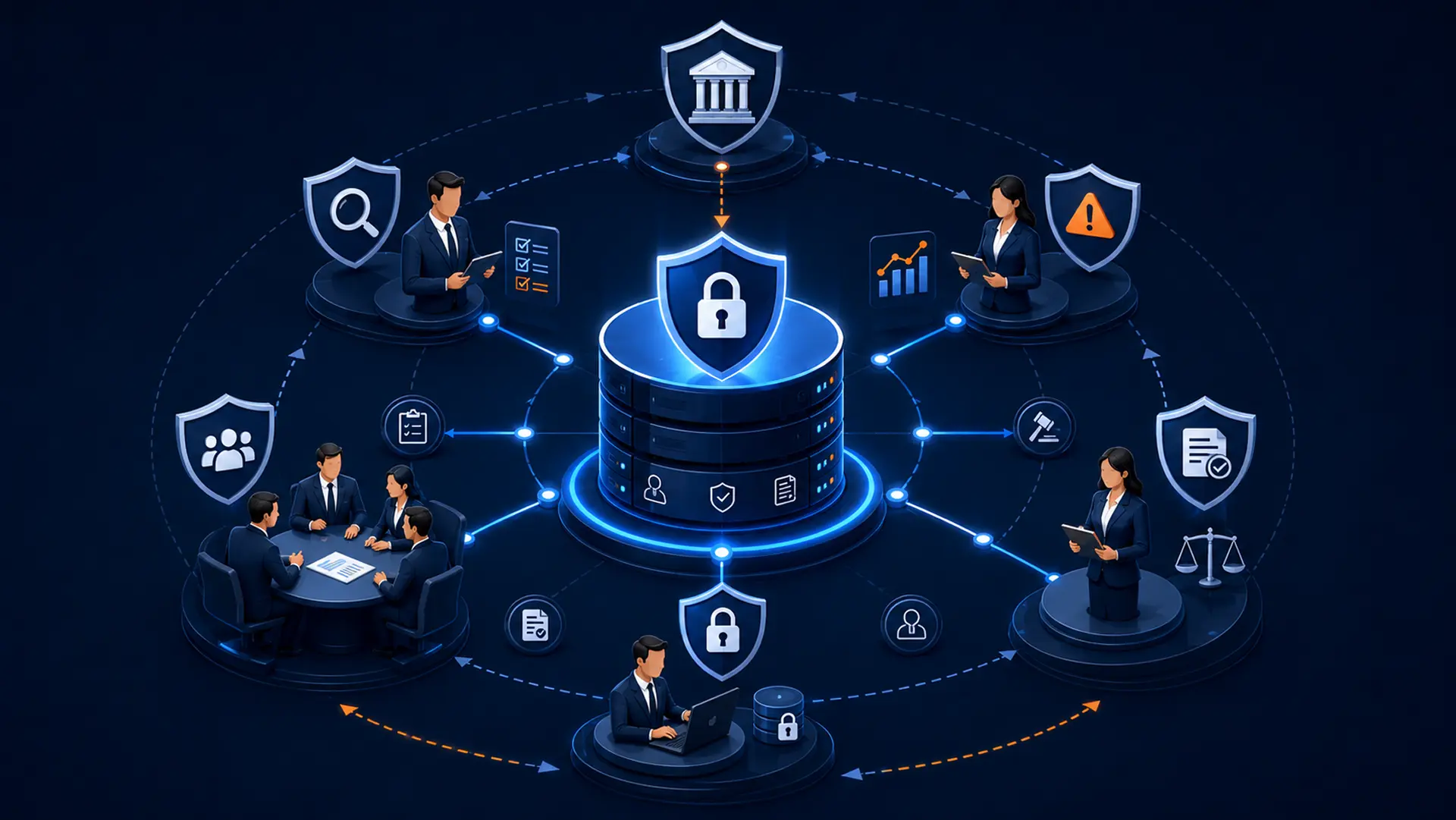
In most industries, HR compliance primarily means ensuring payroll is accurate, employment contracts are correctly executed, and statutory contributions are filed on time. These are necessary in financial services too, but they are the floor, not the ceiling.
Financial institutions are subject to regulation by central banks, securities commissions, and financial conduct authorities that impose requirements which directly affect HR operations. In Malaysia, Bank Negara Malaysia’s guidelines on fit-and-proper requirements apply to key management personnel. In Singapore, the Monetary Authority of Singapore sets out similar standards. In Thailand, the Bank of Thailand’s regulatory framework extends to senior employee governance. Across each of these markets, HR systems must support the documentation and evidence requirements that come with these obligations.
Layered on top of regulatory requirements are the internal audit and risk frameworks that financial institutions maintain — which in most cases are more demanding than those in less regulated industries. HR data is audit-sensitive, and the systems that hold it must be able to produce verifiable, timestamped records of every material change.
The specific HR compliance requirements BFSI organisations must meet
- Complete, audit-ready employee records
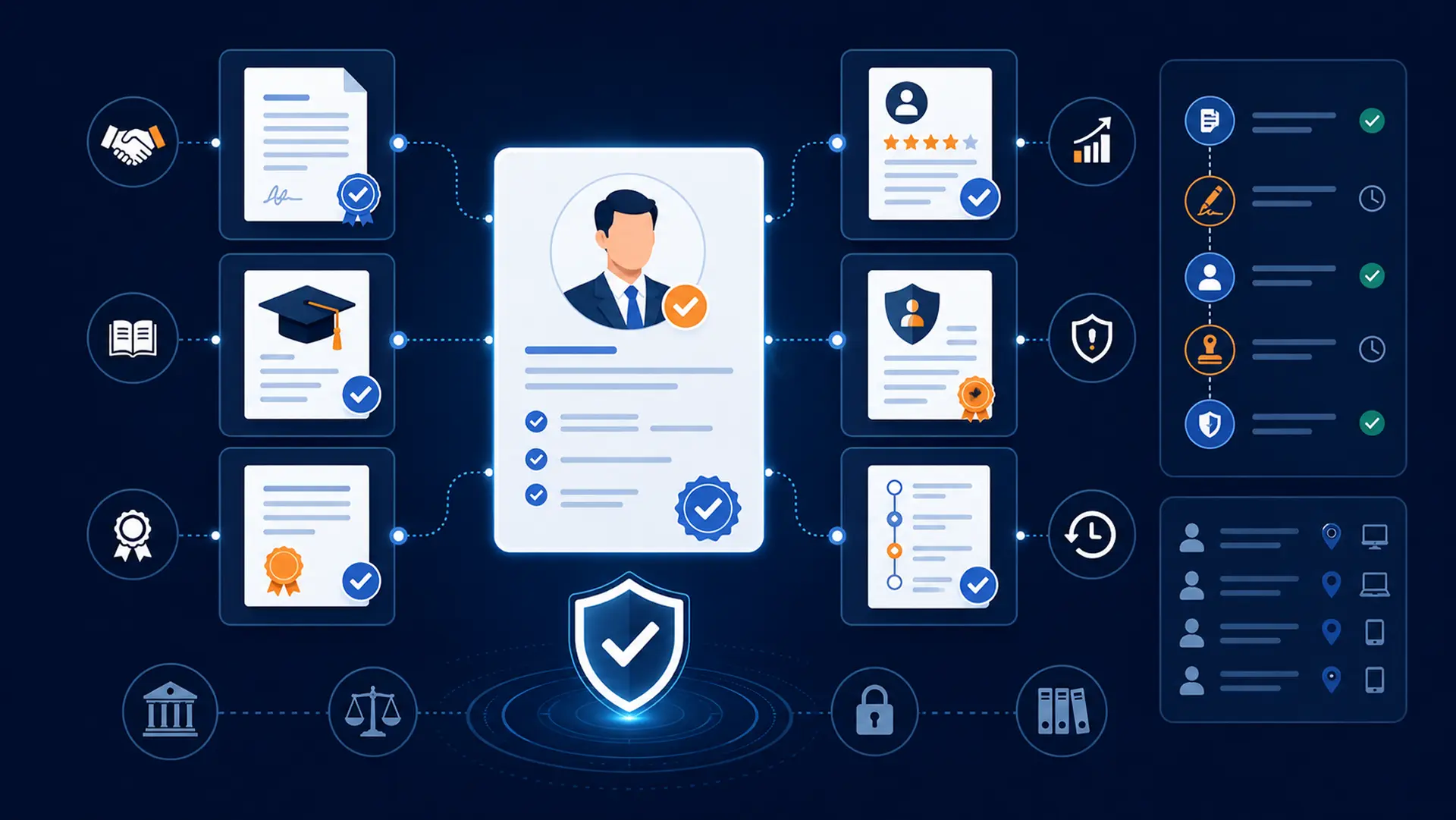
In financial services, incomplete or inaccurate employee records are not just an administrative inconvenience; they are a regulatory risk. Employee files must include signed contracts, verified professional qualifications, licence and certification records where relevant, and clear documentation of any disciplinary actions, performance assessments, or changes to employment terms.
These records must be accessible on demand for internal audits, regulatory examinations, and in some cases, legal proceedings. An HR system that holds these records must maintain a tamper-evident audit trail showing who accessed or modified a record, and when. This is a non-negotiable requirement for any BFSI institution.
- Fit-and-proper screening and documentation
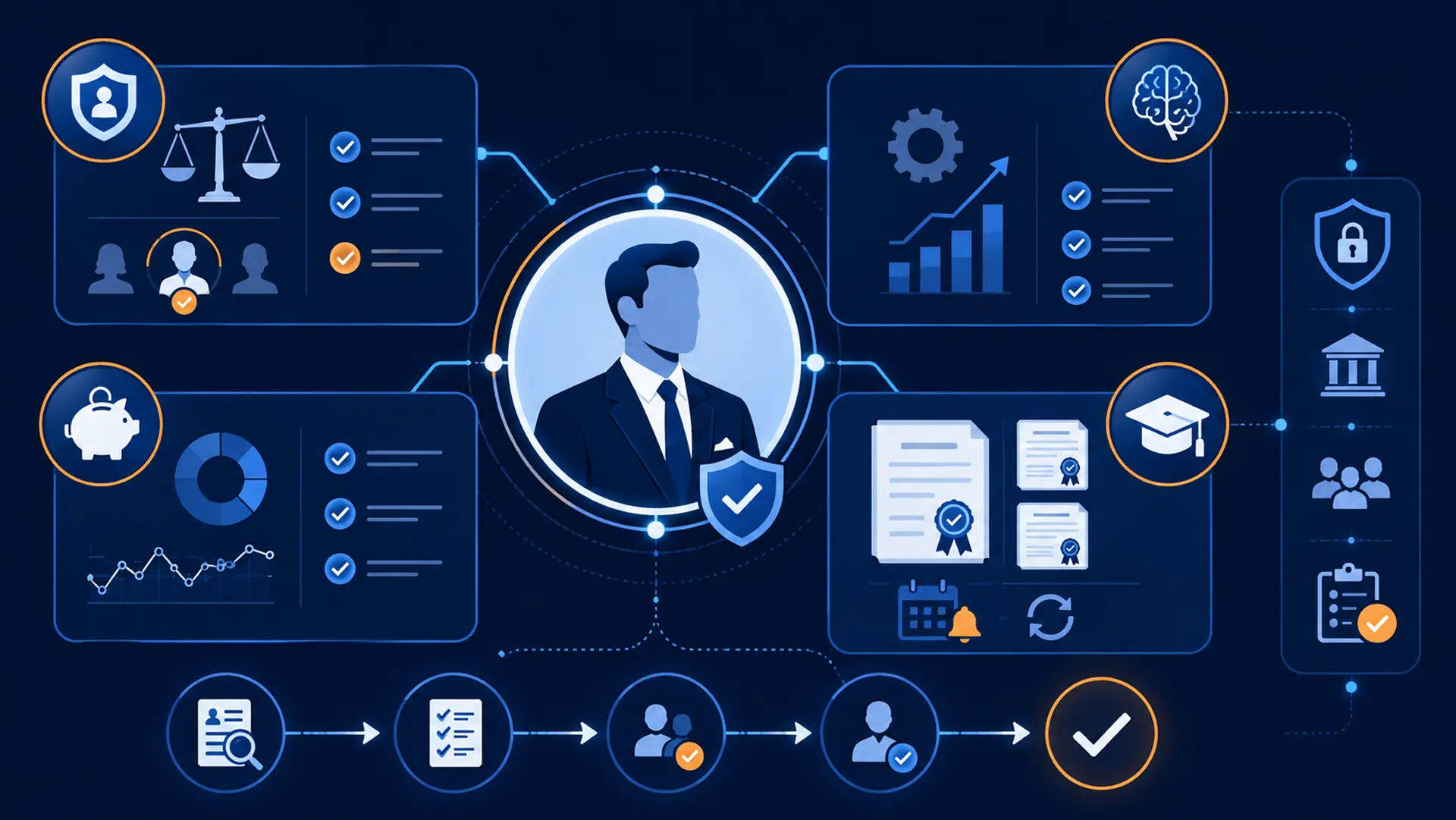
Central bank and financial regulatory frameworks across Asia require institutions to demonstrate that key management personnel and individuals in positions of responsibility meet defined fit-and-proper standards, covering integrity, competence, financial soundness, and professional qualifications. HR systems must support the collection, verification, and ongoing monitoring of the documentation that demonstrates these standards are met, and flag where reviews or renewals are due.
- Payroll accuracy and statutory compliance
Payroll accuracy is a compliance requirement in all industries, but the consequences of errors in financial services are amplified. Internal audit functions in banks routinely review payroll records. Regulators may examine compensation structures for compliance with remuneration guidelines. And any discrepancy between payroll records and statutory filings creates a documentation risk that HR teams must be able to resolve quickly.
The HR system must automate statutory deductions – income tax, pension or provident fund contributions, social security – across every market in which the institution operates, with automated updates when statutory rates or thresholds change. Payroll runs must produce a complete, exportable audit trail from input data through to final payment.
- Role-based access controls and data security
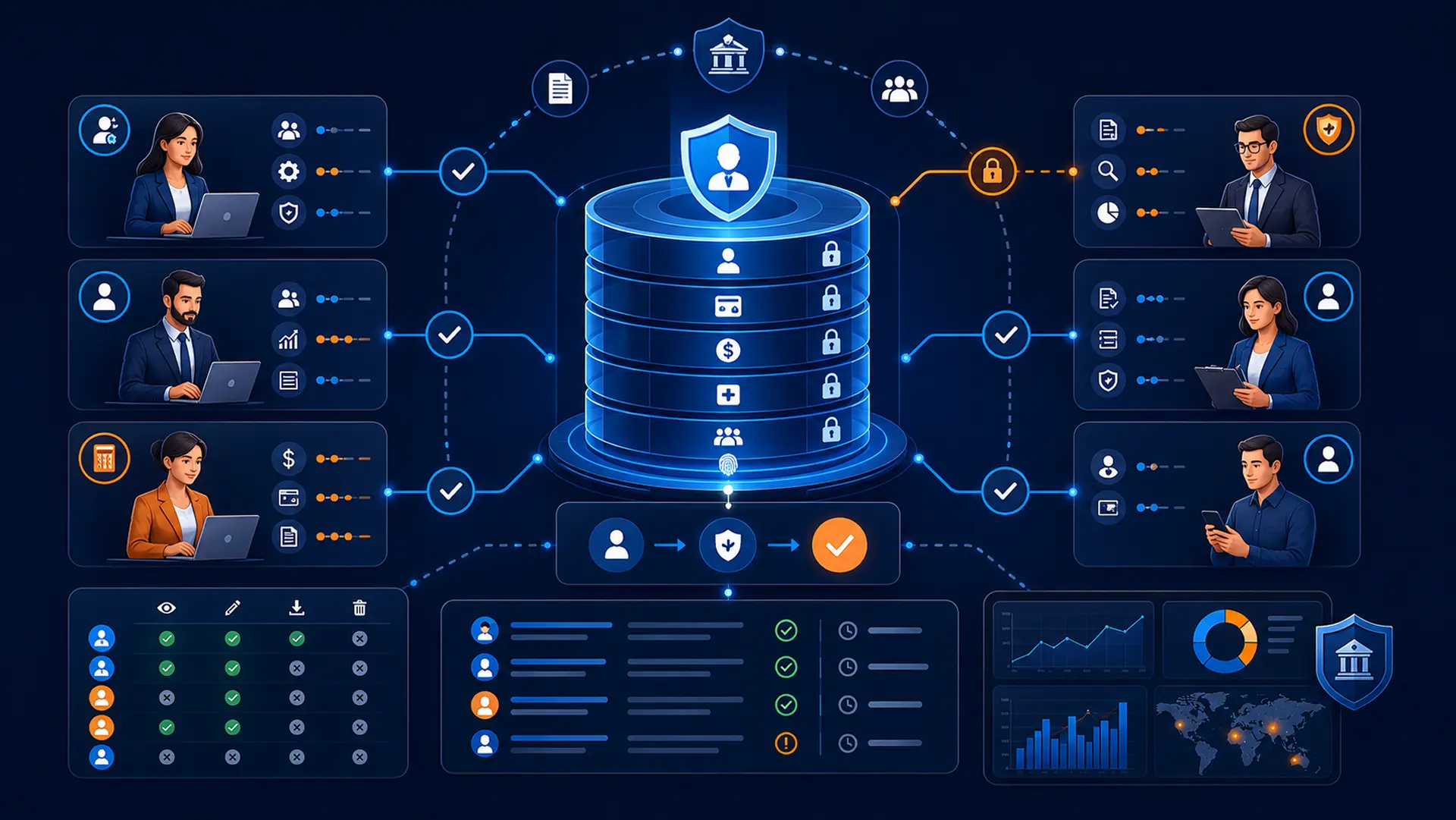
Financial institutions handle some of the most sensitive categories of employment data – compensation structures, performance assessments, disciplinary records, background screening results, and in some cases security clearance documentation. Access to this data must be governed by role-based controls that ensure employees and managers can access only the information relevant to their function.
HR systems must support granular permission frameworks, log every instance of data access, and provide administrators with the ability to audit access patterns. This aligns with the data governance principles that financial regulators expect institutions to maintain across all systems handling sensitive information.
- Mandatory training and certification tracking
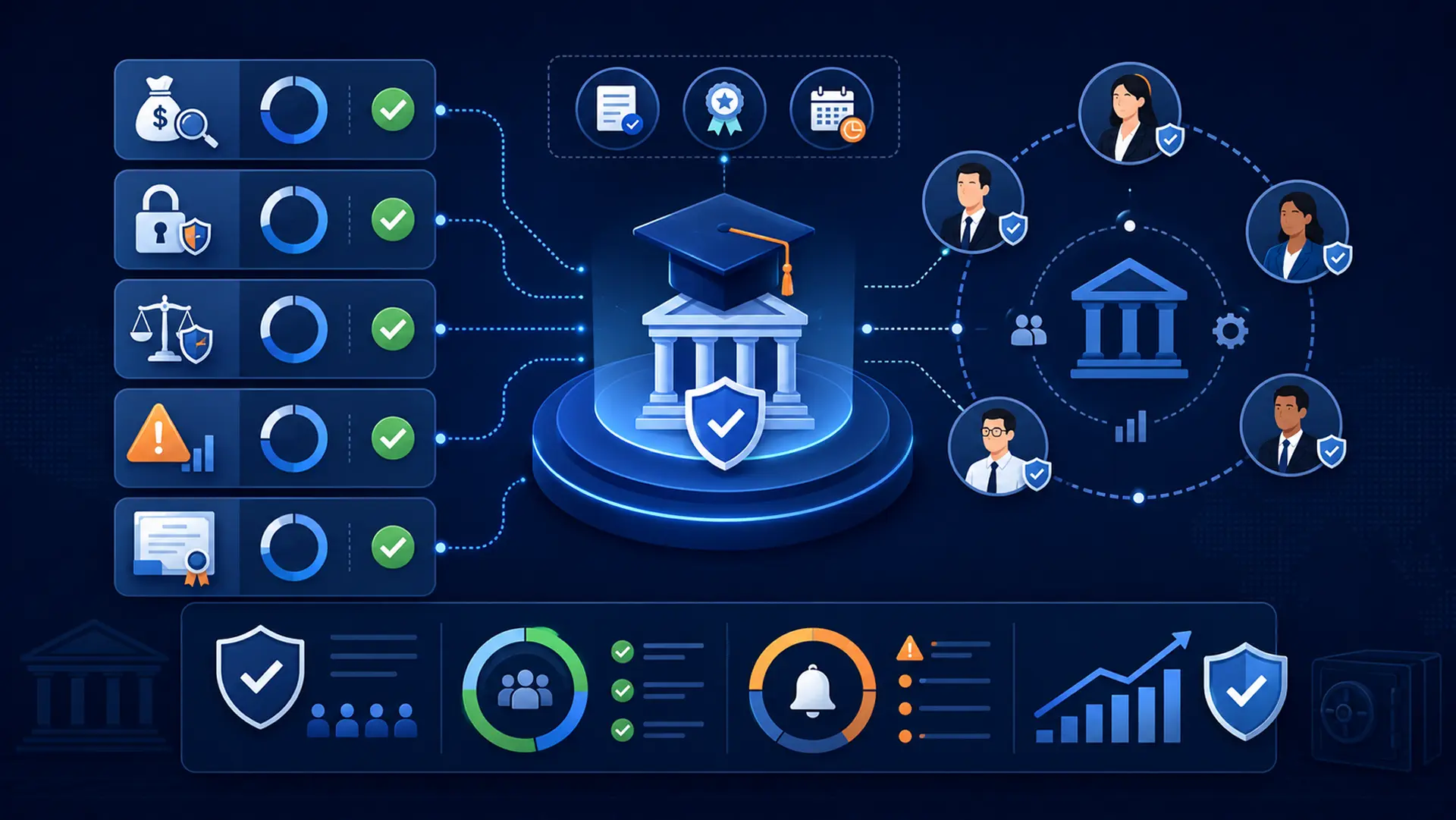
Financial institutions are required to ensure that employees in regulated roles complete mandatory training – anti-money laundering, counter-terrorist financing, data protection, and product-specific licensing requirements, among others. HR systems must track training completion, certification expiry, and renewal deadlines, and generate alerts when employees in regulated roles approach expiry dates or miss completion deadlines.
Gaps in training compliance are a material risk in regulatory examinations. The ability to produce a consolidated training compliance report on demand is a basic expectation.
- Whistleblower and conduct management
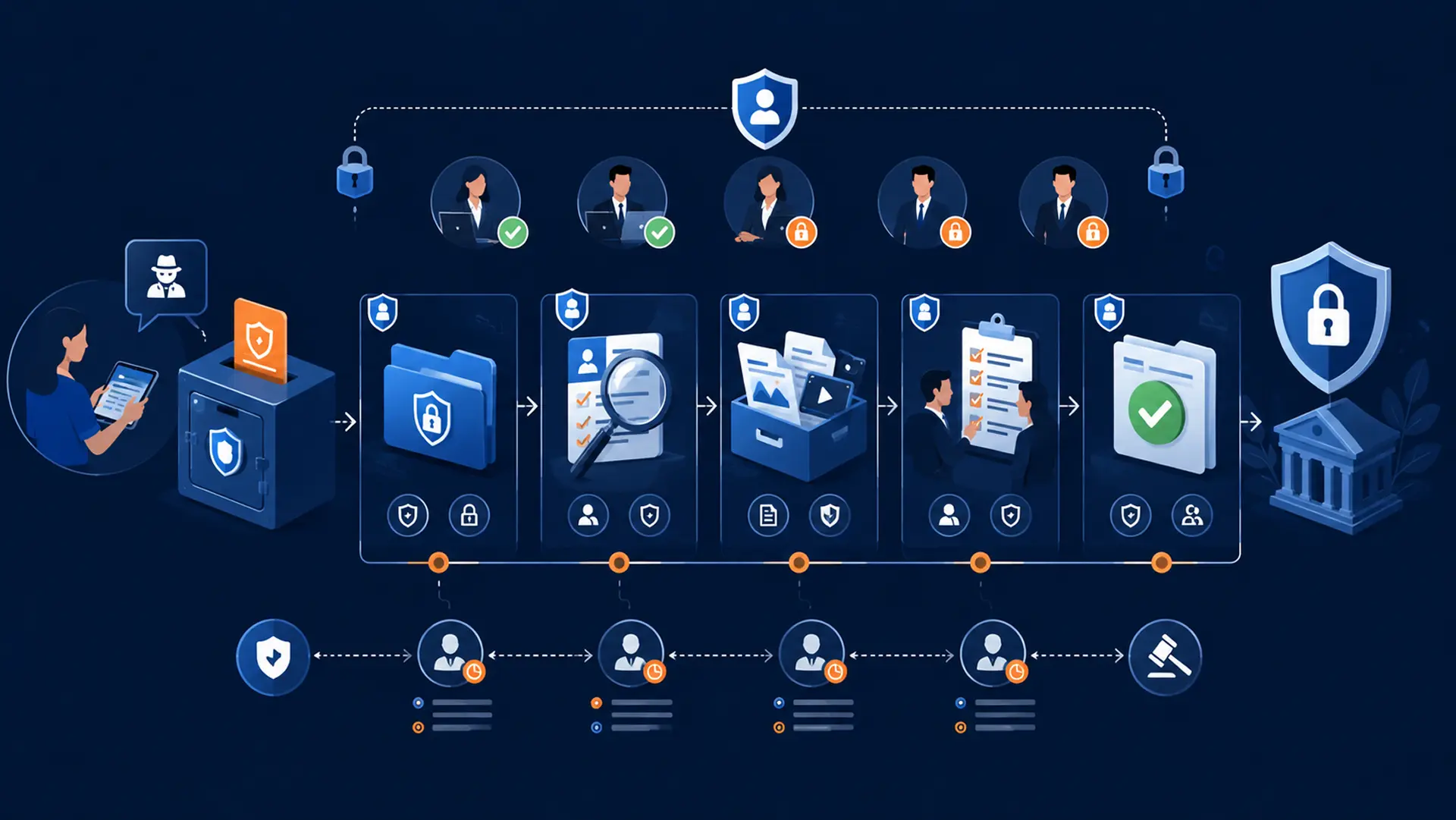
Financial institutions are typically required to maintain formal mechanisms for employees to raise concerns about conduct or regulatory breaches – and to document how those concerns are received, investigated, and resolved. HR systems that include structured case management for HR investigations and whistleblower reports – with secure, access-controlled records – support the governance requirements that financial regulators impose.
- Cross-border and multi-entity HR management
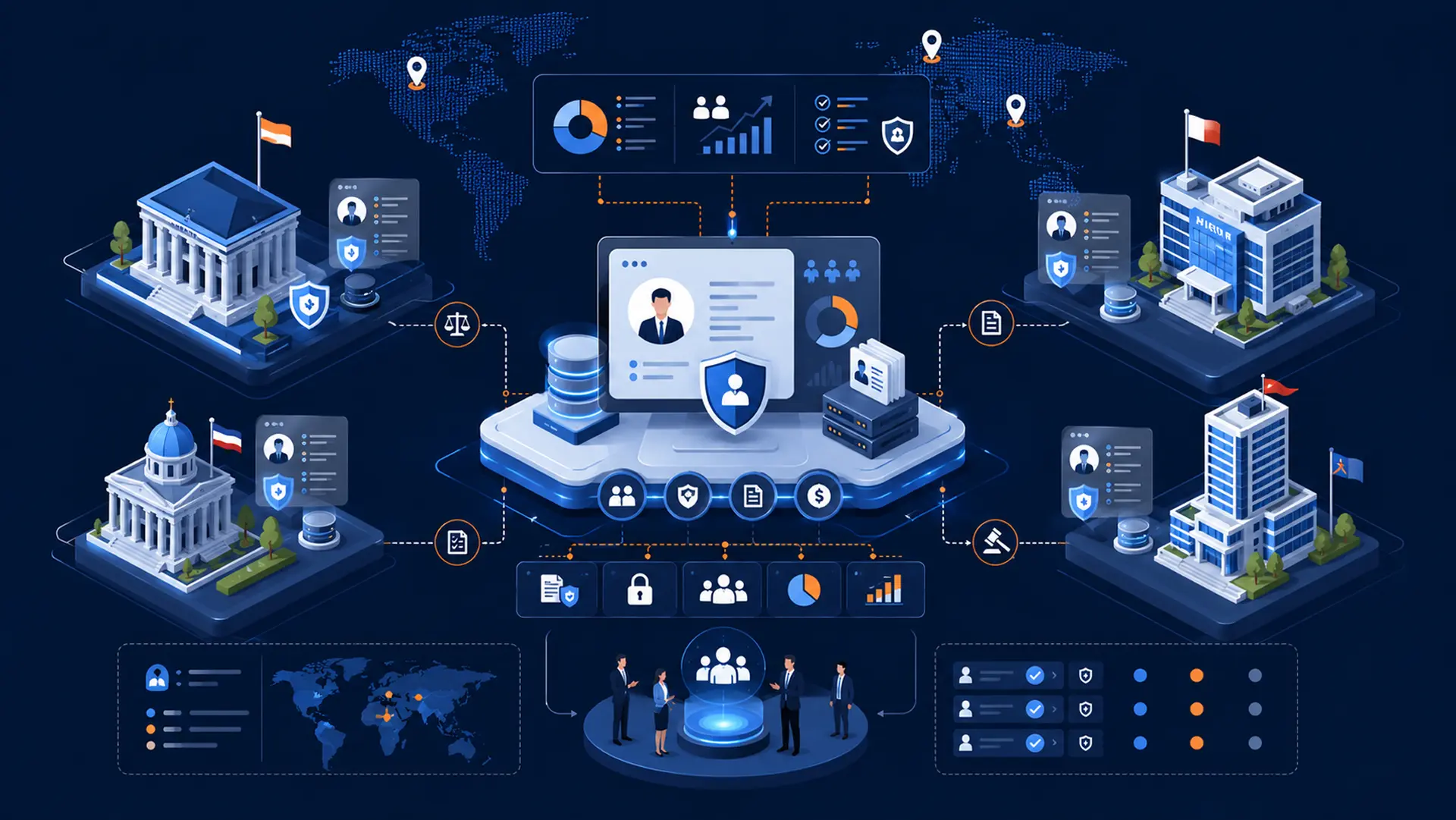
Financial services groups operating across multiple markets – a common profile in ASEAN, where regional banking groups operate subsidiaries in several countries – face the additional complexity of managing HR compliance across different regulatory frameworks simultaneously. What constitutes a compliant employment record in Malaysia differs in detail from what is required in Singapore or Thailand. The HR platform must support separate rule sets and reporting frameworks for each entity while providing consolidated group-level visibility.
MiHCM for banking and financial services
MiHCM serves financial institutions across Asia, including banking and financial services clients in markets including Malaysia, Sri Lanka, Indonesia, and Singapore. MiHCM Enterprise is built to meet the compliance, data governance, and operational requirements that BFSI organisations demand.
Key capabilities for financial services organisations include:
Audit-ready records and access controls. MiHCM maintains a complete audit trail across all employee records and HR transactions. Role-based access controls ensure that sensitive employee data is accessible only to authorised users, with every access and modification logged and reportable.
Automated payroll compliance. MiHCM Payroll automates statutory calculations across multiple markets – including Malaysia, Singapore, Thailand, Cambodia, Sri Lanka, and Bangladesh – with automated updates when regulatory rates or thresholds change. Each payroll run generates a complete reconciliation record.
Data security on Microsoft Azure. MiHCM runs on Microsoft Azure, with the enterprise security architecture, data residency controls, and compliance certifications that regulated industries require. MiHCM’s ISO/IEC 27701:2025 certification for Privacy Information Management, covering Malaysia and Sri Lanka operations, reinforces its commitment to data governance standards expected by financial institutions.
Multi-entity, multi-country HR management. MiHCM Enterprise supports simultaneous HR and payroll operations across multiple legal entities and markets, with separate rule sets per entity and consolidated group-level reporting.
Microsoft Data and AI Solutions Partner. MiHCM’s status as a Microsoft Data and AI Solutions Partner means its data and analytics capabilities are built on verified enterprise-grade infrastructure – relevant for BFSI organisations with rigorous vendor governance processes.
MiA ONE for intelligent HR operations. MiA ONE provides employees with conversational access to HR information and workflows, with cited responses and full audit logging.
MiHCM is ISO/IEC 27701:2025 certified for Privacy Information Management and runs on Microsoft Azure – providing the security and compliance architecture that financial services organisations require.
The bottom line
HR compliance in financial services is not a back-office concern. It is a front-line regulatory obligation – one that affects how institutions are examined, how they manage operational risk, and how they protect the employment data of the people who work for them.
The HR systems that BFSI organisations deploy must be built for this environment: secure, audit-ready, multi-country capable, and tightly integrated with the payroll and workforce management processes that compliance depends on.
To find out how MiHCM supports banking and financial services organisations,
visit mihcm.com หรือ book a demo.