
By Pubudini Abeyesekera
In my previous article, ‘Building a Digitally Competitive Workforce in Sri Lanka,’ I explored how organisations must invest in skills, technology, and talent retention to remain competitive in a digital-first economy.
But as enterprises build the workforce of the future, there is another priority that deserves equal attention: compliance.
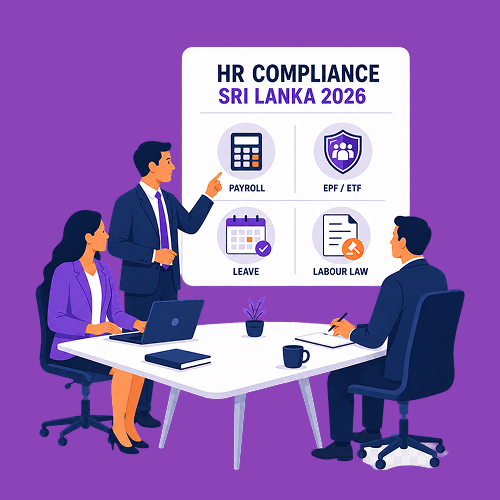
HR compliance in Sri Lanka is no longer a back-office administrative function. It is now a core business risk area that directly impacts employee trust, financial accuracy, audit readiness, and organisational reputation.
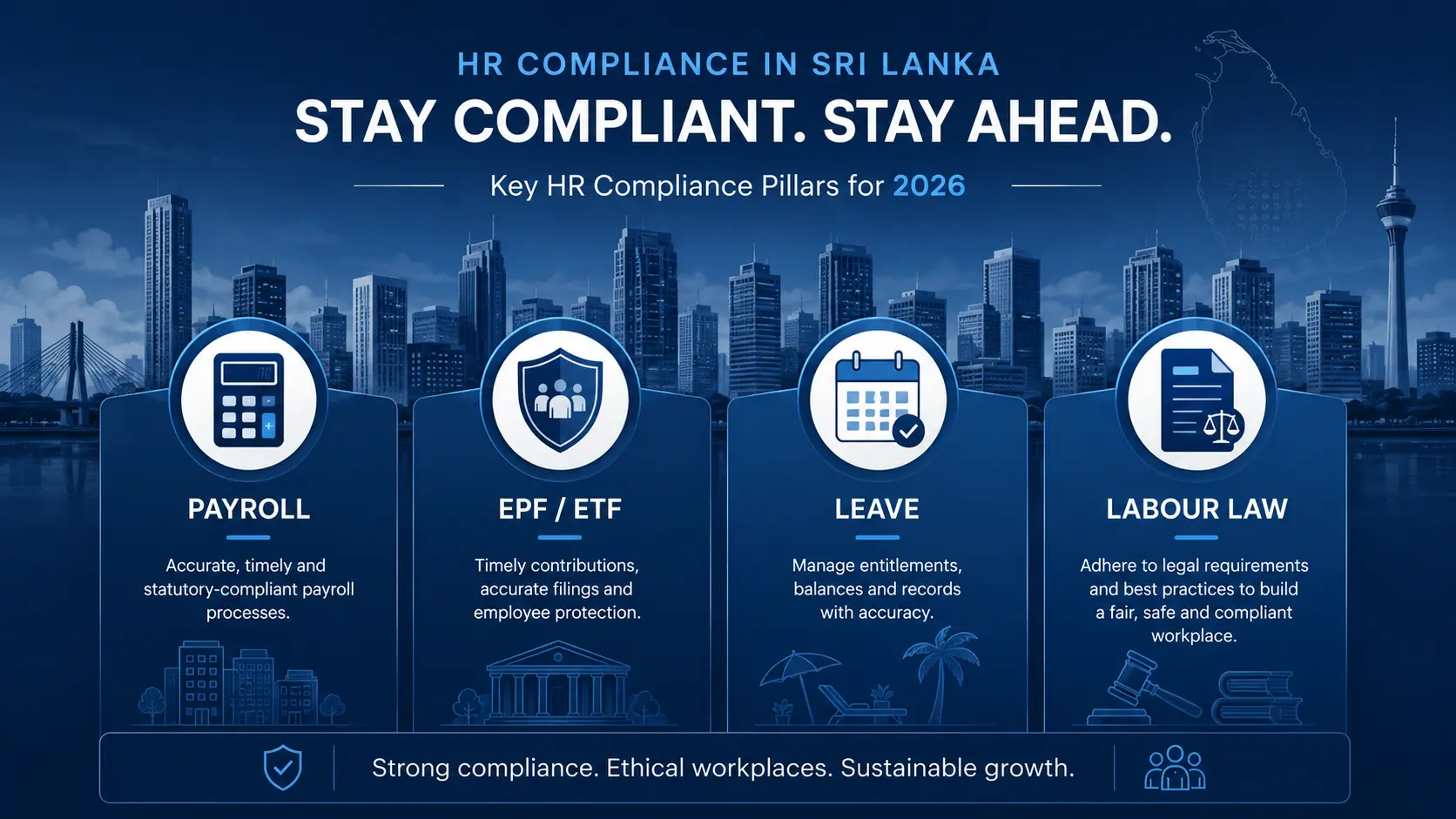
For enterprises operating in Sri Lanka, 2026 will require a more structured and technology enabled approach to payroll, statutory contributions, leave administration, and evolving labour regulations.
Payroll compliance is becoming more complex
Payroll is one of the most sensitive functions in any organisation. It directly affects employees, links closely to statutory obligations, and leaves very little room for error.
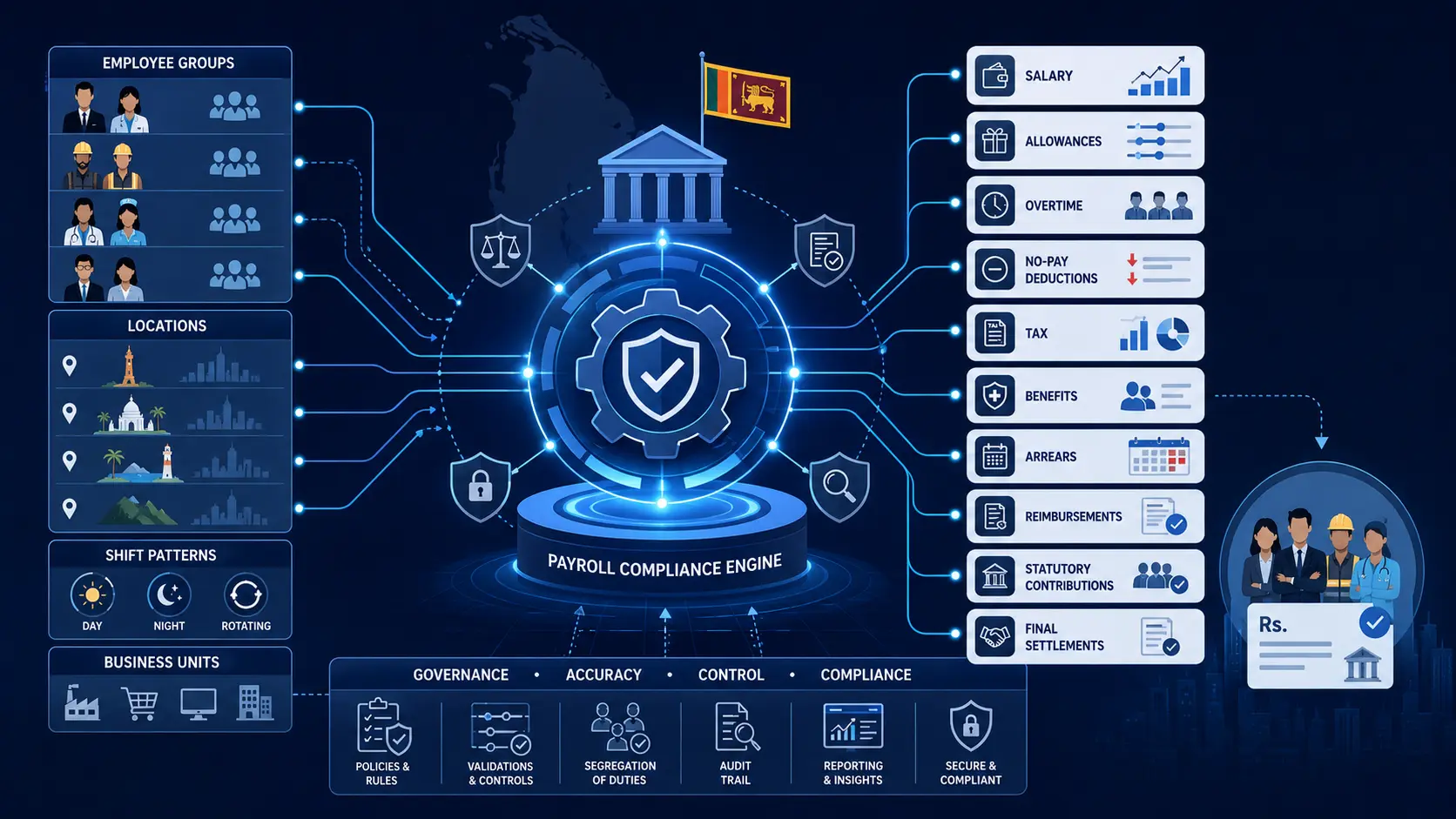
In Sri Lanka, payroll compliance requires organisations to manage multiple moving parts: basic salary, allowances, overtime, no-pay deductions, tax deductions, benefits, arrears, reimbursements, statutory contributions, and final settlements.
For larger enterprises, the complexity increases when employees are spread across multiple locations, job categories, shift patterns, business units, and contractual arrangements.
A small payroll error can quickly become a governance issue. Incorrect calculations may lead to employee dissatisfaction, compliance gaps, financial penalties, or reputational concerns. This is especially true in a business environment where employees are increasingly aware of their rights and organisations are expected to maintain higher standards of transparency.
This is why payroll can no longer depend only on manual checks, spreadsheets, or individual institutional knowledge. Enterprises must move towards payroll systems that are accurate, configurable, auditable, and aligned with Sri Lankan regulatory requirements.
Payroll compliance is not simply about paying people on time. It is about paying them correctly, consistently, and in a manner that can withstand internal and external scrutiny.
EPF and ETF governance must be strengthened
EPF and ETF obligations remain among the most important statutory responsibilities for employers in Sri Lanka.
Yet, despite being long established requirements, EPF and ETF governance continues to create operational risk for many organisations. Errors may arise from incorrect salary components, employee master data issues, delayed submissions, manual adjustments, or inconsistent treatment of allowances and deductions.
For employees, EPF and ETF are not just statutory contributions. They represent long-term financial security and confidence in the employer. For organisations, they represent a critical governance obligation.
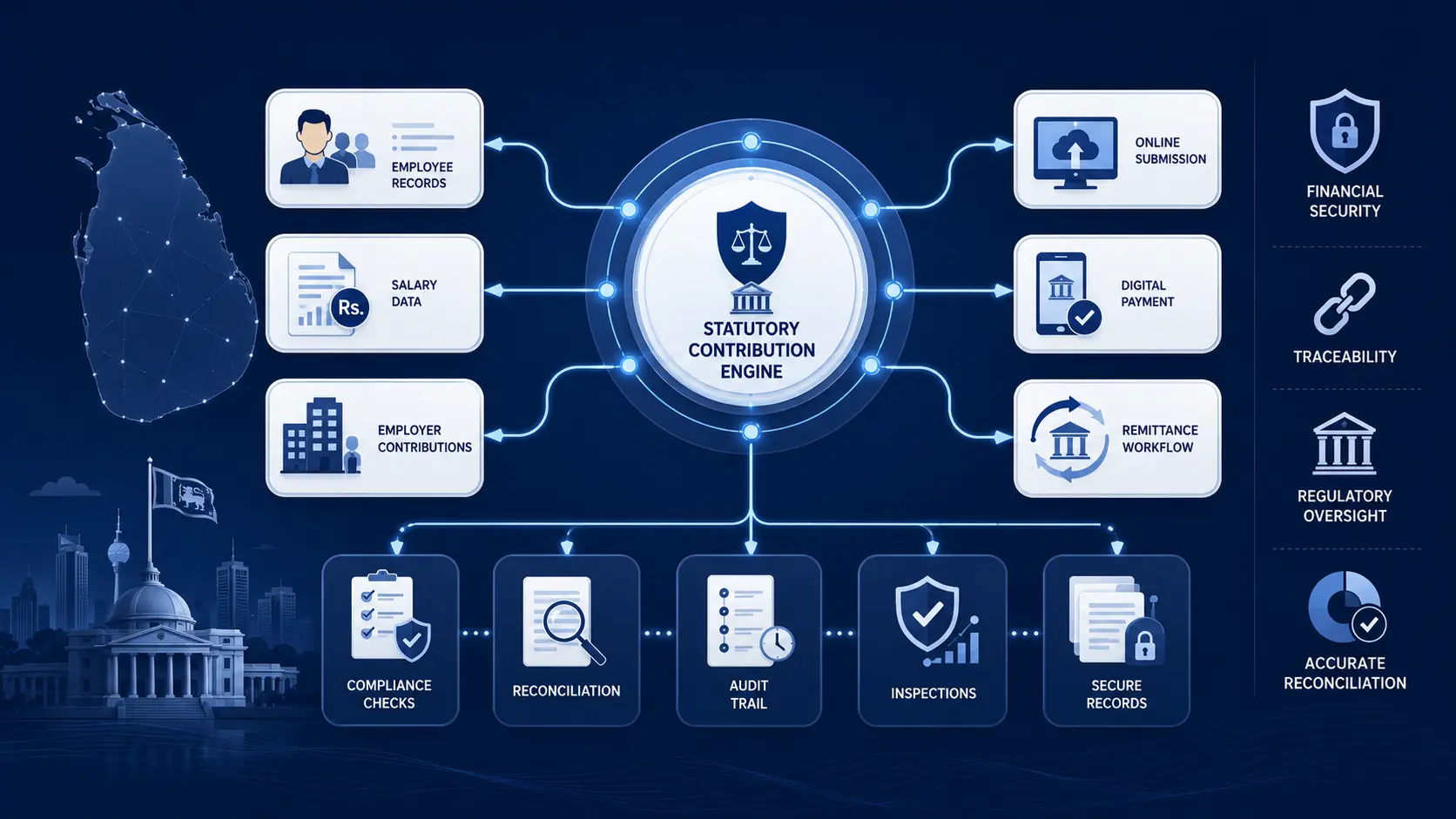
Strong EPF/ETF governance requires more than making monthly payments. It requires accurate employee records, correct contribution calculations, timely remittances, clear audit trails, consistent treatment across employee categories, and readiness for inspections, audits, and reconciliations.
The direction of travel is also clear: statutory compliance is becoming increasingly digital. With electronic submissions, online payments, and digital records becoming more prominent, enterprises must ensure that their HR and payroll systems can support this shift.
In 2026, organisations that still rely heavily on manual statutory processes will carry unnecessary risk. The future of compliance is digital, traceable, and real-time.
Leave regulations need greater discipline
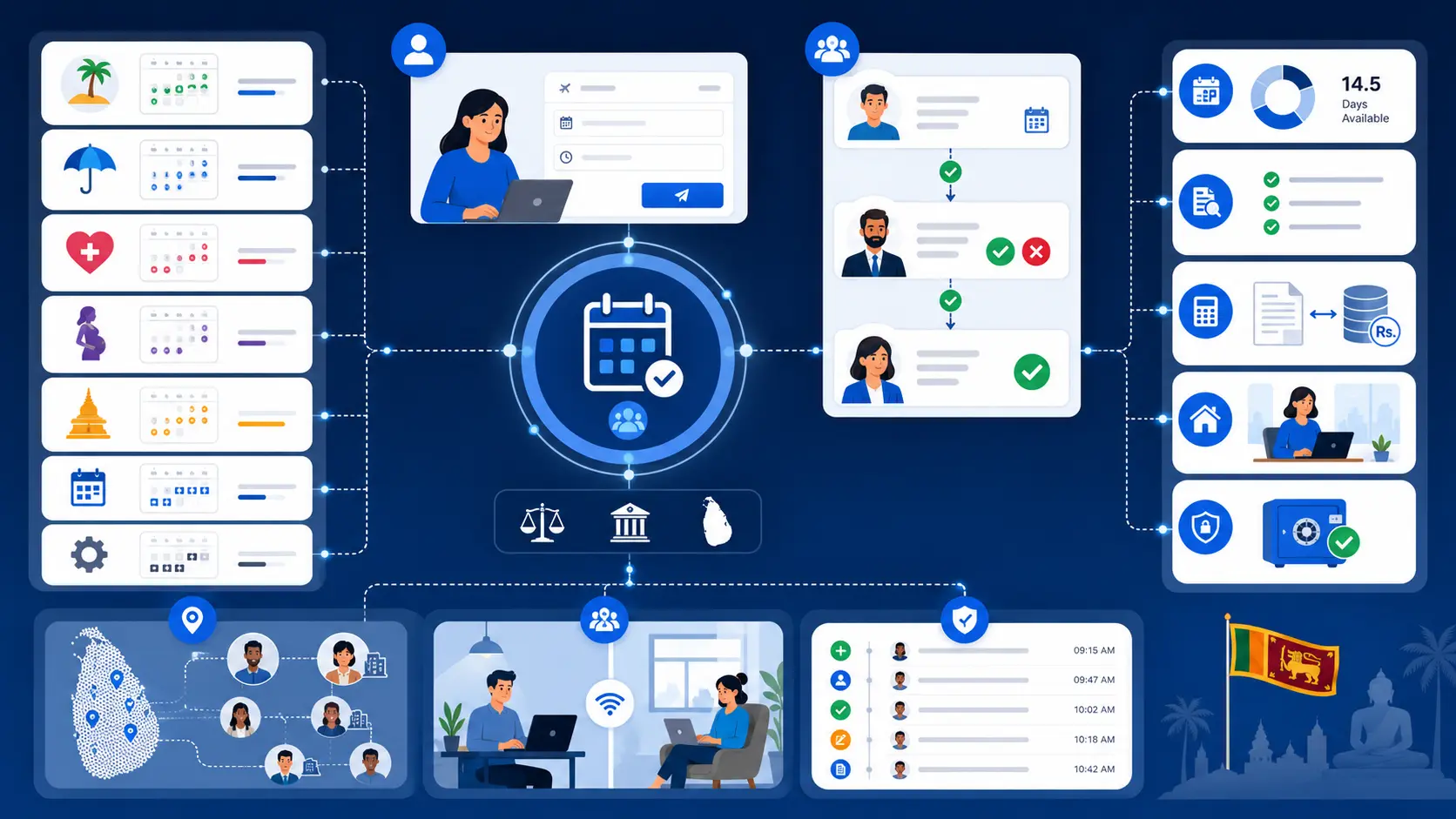
Leave management is often underestimated as a compliance risk.
In Sri Lanka, leave administration can be complex because organisations must manage different types of leave, including annual leave, casual leave, sick leave, maternity leave, statutory holidays, weekly holidays, and company-specific entitlements.
The challenge is not only understanding the law. The real challenge lies in applying leave rules consistently across the organisation.
Inconsistent leave practices can lead to disputes, employee dissatisfaction, payroll errors, and compliance concerns. This becomes even more complex when organisations operate across multiple locations, adopt hybrid work models, or manage shift-based employees.
Remote and hybrid work has also changed how organisations think about attendance, productivity, and employee wellbeing. The traditional boundaries between office presence, work hours, leave, and flexibility are becoming less rigid. This requires stronger policies, clearer communication, and better systems.
Enterprises should be asking themselves: Are leave entitlements calculated accurately? Are policies applied consistently? Are approval workflows transparent? Are leave balances visible to employees and managers? Are leave records integrated with payroll?
A modern leave management framework should not only support compliance; it should also improve employee experience. When employees have visibility and confidence in how leave is managed, it strengthens trust in the organisation.
Preparing for labour law reforms
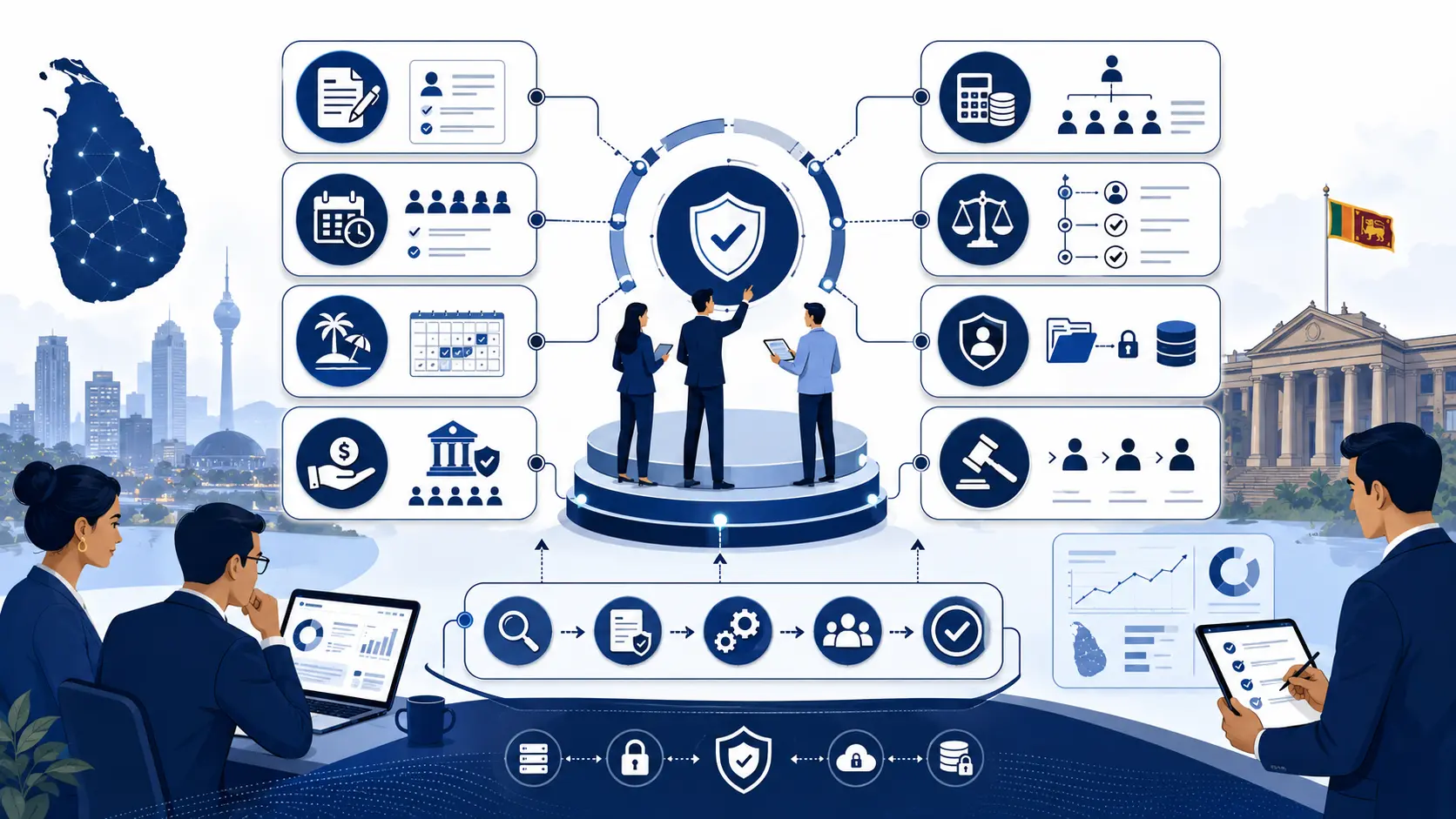
Sri Lanka’s labour law framework has evolved over many decades, but the future of work is changing much faster than traditional regulatory structures.
Discussions around labour law reform, employment flexibility, digital records, workforce mobility, and modern workplace practices have continued to gain momentum. Enterprises should prepare for a more modernised and digitally enabled compliance environment.
Business leaders should not delay taking action. Instead, organisations should strengthen their internal foundations now. This includes reviewing employment contracts, payroll structures, attendance policies, leave rules, statutory contribution processes, disciplinary procedures, and employee data governance.
The key question is not only whether an organisation is compliant today. The more important question is whether it is ready to adapt quickly when regulations change.
In a fast-moving environment, compliance agility will become a competitive advantage.
HR technology as a compliance enabler
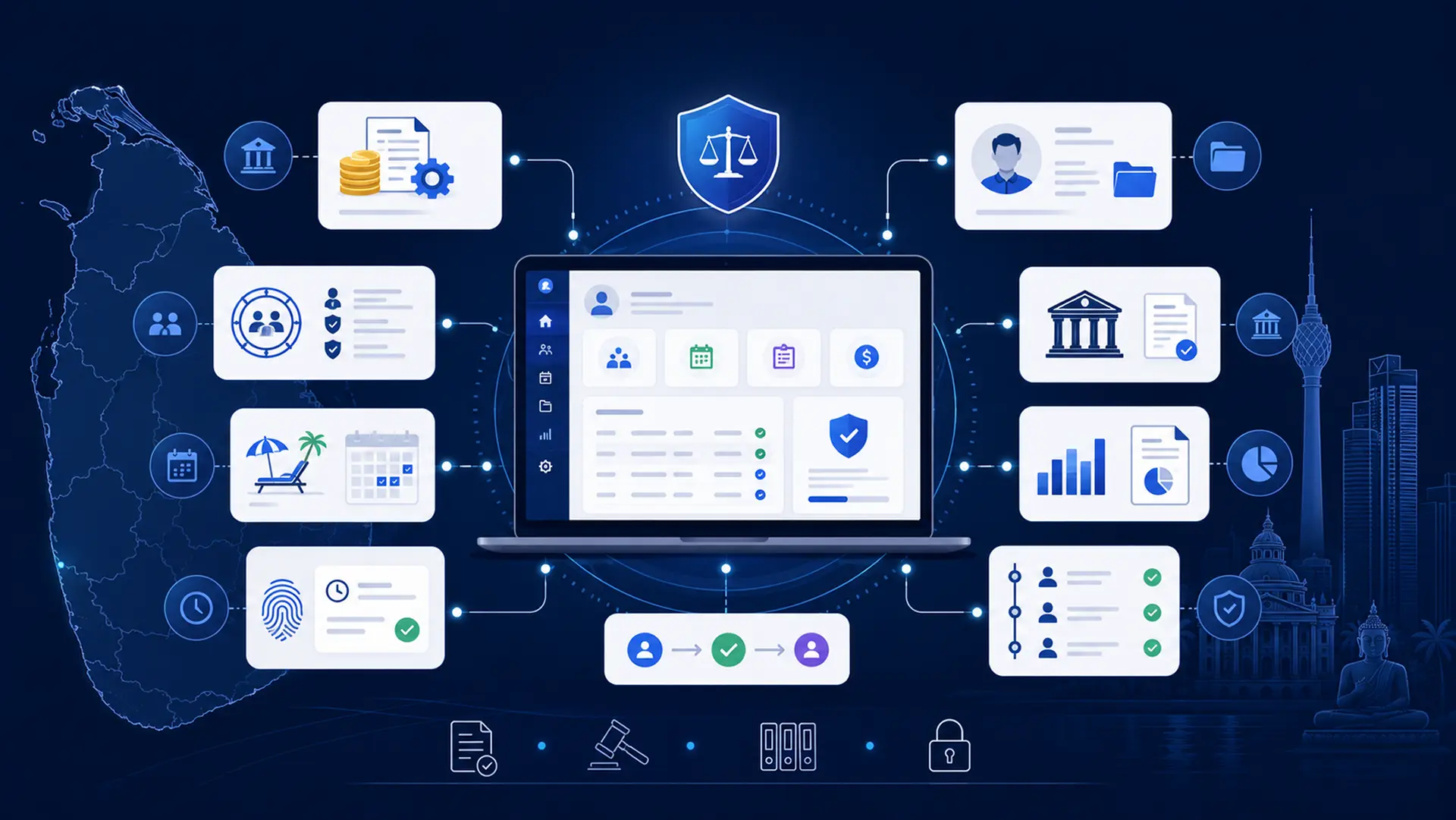
Technology has a critical role to play in reducing HR compliance risk.
Modern HR and payroll platforms help organisations move from reactive compliance to proactive governance. They allow enterprises to automate calculations, maintain accurate employee records, configure approval workflows, generate statutory reports, and create audit trails.
For CEOs, CFOs, and CHROs, this is not just an HR efficiency conversation. It is a governance conversation.
With the right HR technology, organisations can reduce payroll errors, improve statutory compliance, strengthen EPF/ETF governance, automate leave and attendance processes, improve transparency for employees, support audits, and generate better workforce insights for decision-making.
At MiHCM, we see this shift clearly. Organisations are no longer looking at HR software only as a tool to digitise administration. They are looking for platforms that help them manage risk, improve compliance, and build better employee experiences.
This is where HR technology becomes a strategic enabler of both governance and growth.
Compliance is a foundation for trust
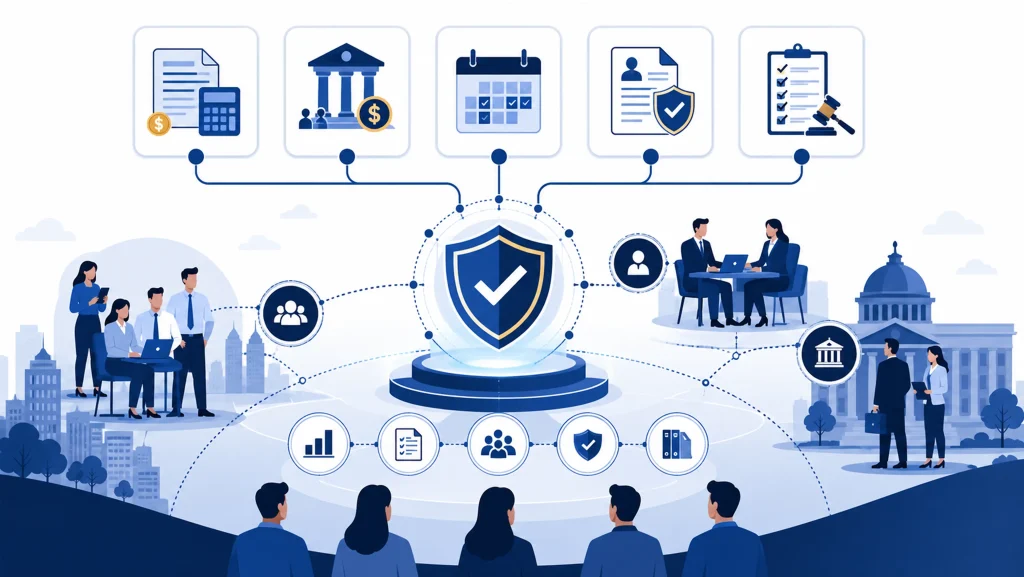
nterprises often view compliance as a cost of doing business. I believe this mindset must change.
Employees trust organisations that pay accurately, manage leave transparently, maintain statutory contributions properly, and apply policies consistently. Regulators trust organisations that maintain proper records and demonstrate accountability. Investors and stakeholders trust businesses that show governance discipline.
As Sri Lanka continues to position itself for digital growth, workforce competitiveness and workforce compliance must move together.
A digitally competitive workforce cannot be built on weak HR foundations. To attract investment, retain talent, and scale sustainably, enterprises must ensure that their HR processes are modern, compliant, transparent, and resilient.
For enterprises, the message is clear: compliance is not a box to be ticked. It is a business discipline that protects people, strengthens organisations, and enables sustainable growth.

ปุพุดินี อะเบเยเซเกรา
CEO – Sri Lanka & Maldives at MiHCM
(MiHCM CEO – Sri Lanka and Maldives Pubudini Abeyesekera has over 20 years of experience in Business Development, Business Operations and Client Relationship Management within various industries of Tech, Start-ups, Education, Real Estate, Airlines, Banking, and Hospitality. She leads with a hands-on approach backed with empathy and thrives on identifying talent, nurturing individuals, and building high-performing teams.)